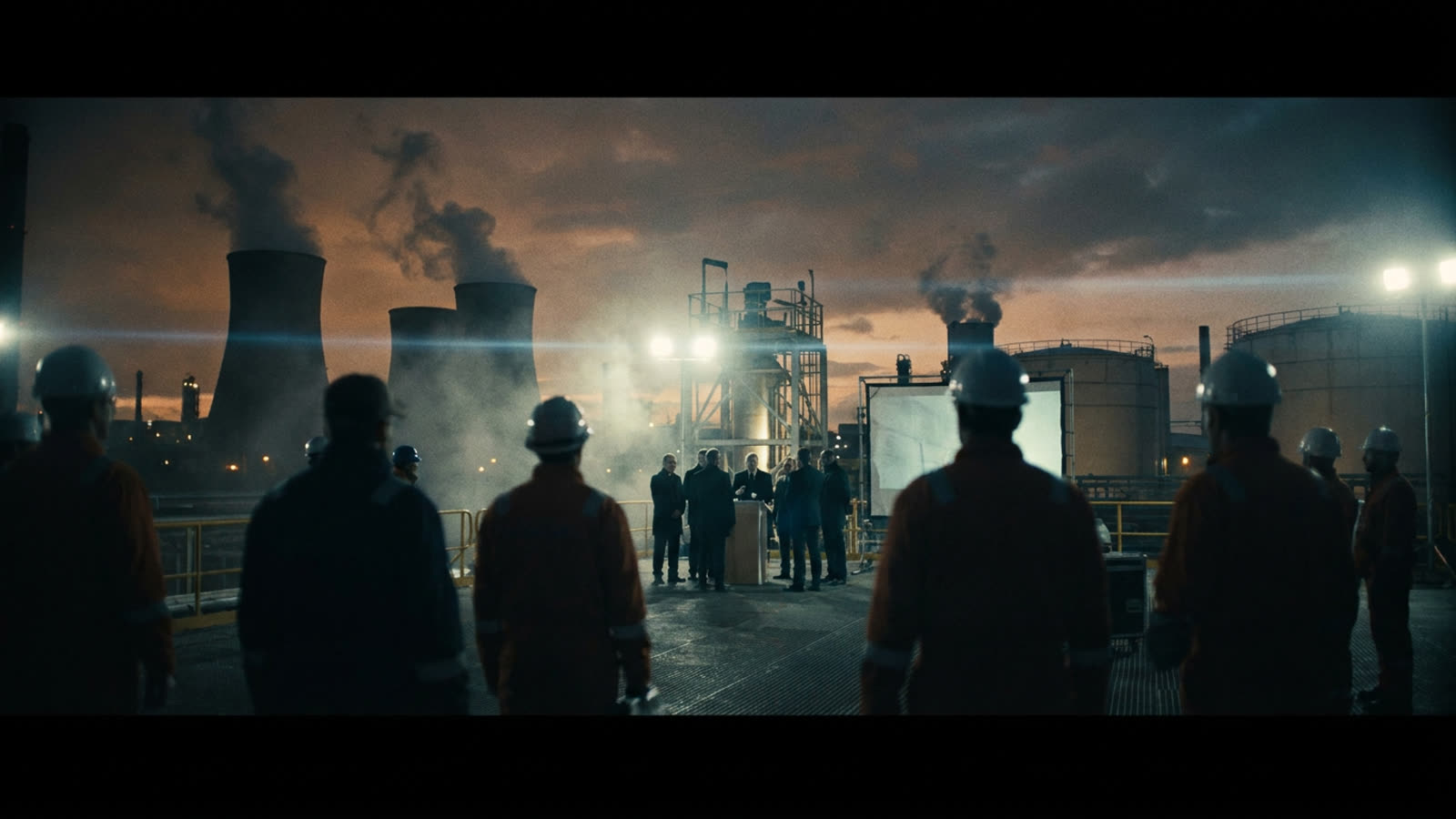
The White House wants credit for both secrecy and spectacle, and the contradiction is becoming impossible to ignore.
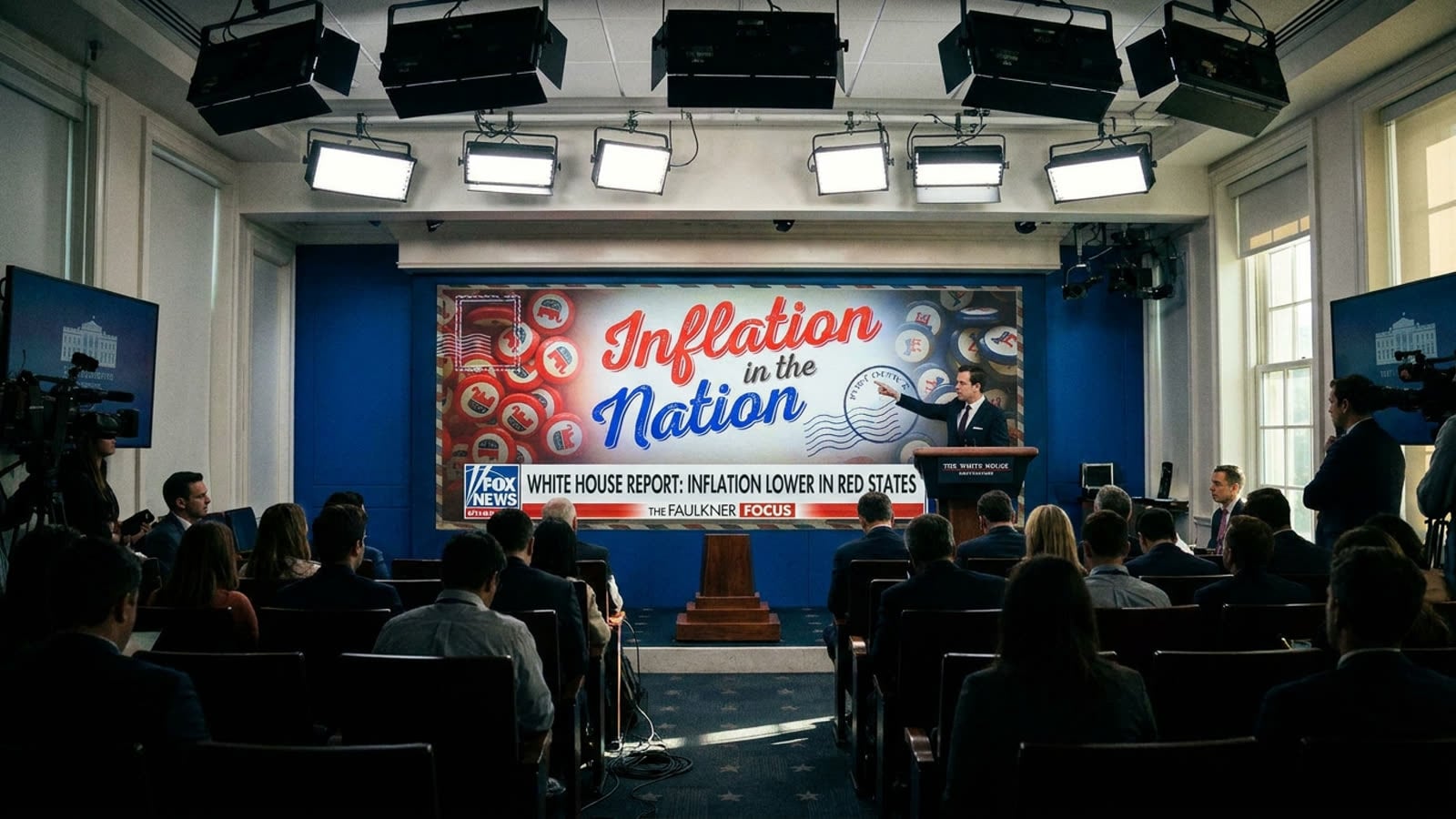
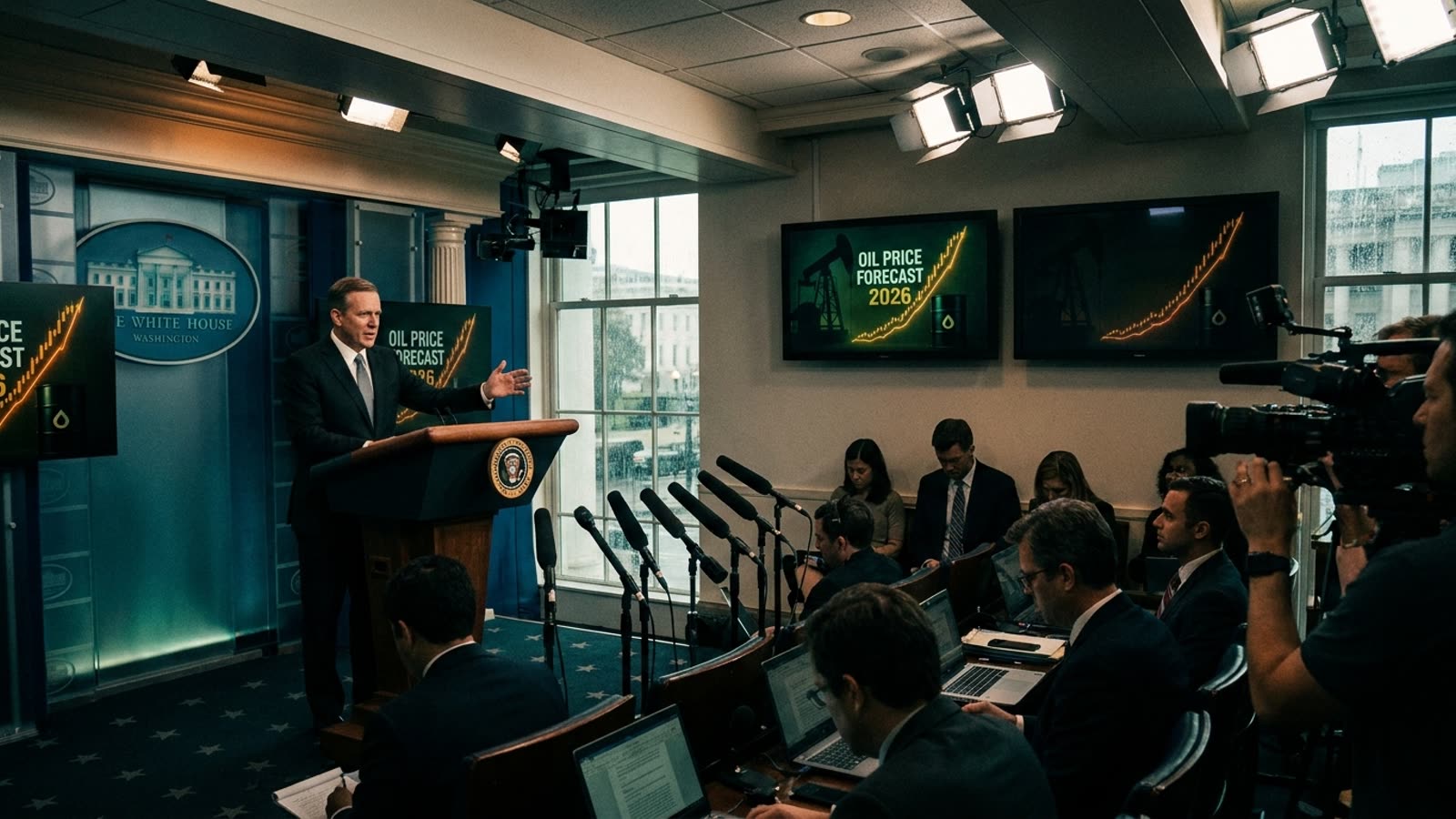
President Trump's much-touted "secret mission" to ferry oil shipments past Iranian interdiction zones was, it turns out, disclosed to reporters, telegraphed on social media, and discussed in on-the-record briefings before a single tanker cleared the Strait of Hormuz. The mission's operational details—convoy routes, naval escort configurations, approximate timing—appeared in multiple news outlets days before execution. Iranian state media quoted American sources. The element of surprise, such as it was, surprised no one.
The performance of secrecy
This is not a security failure in the traditional sense. No whistleblower leaked; no foreign intelligence service penetrated classified channels. The administration itself broadcast the operation's existence, then retroactively branded it covert to generate a narrative of daring presidential action. The "secret" label functions not as operational security but as marketing—a way to make routine naval activity sound like a Tom Clancy novel.
The pattern is familiar. Throughout his political career, Trump has treated information classification as a rhetorical device rather than a legal category. Documents are "declassified" by thinking about them; missions are "secret" until they become more useful as talking points. The underlying assumption is that secrecy exists to serve the president's communications strategy, not the other way around.
What it costs
The immediate operational risk of this particular disclosure appears limited—Iran already monitors Hormuz traffic intensively, and American naval movements are difficult to conceal regardless. But the broader damage is institutional. Career intelligence and military officials now operate in an environment where any operation might be publicized the moment it becomes politically advantageous, and where the classification system itself is treated as infinitely flexible.
Allies notice. Foreign intelligence services calibrate their information-sharing based on confidence that shared secrets remain secret. When an American president treats covert operations as content, the calculus changes. The premium on American discretion—once a core competitive advantage in coalition-building—erodes.
Our take
The "secret mission" farce is clarifying rather than surprising. This administration has always understood media attention as the primary currency of power, and operational security as an obstacle to spending it. The problem is not hypocrisy—all governments spin—but the complete collapse of any distinction between classified reality and public narrative. When everything is performance, nothing is actually secret, and the people who depend on American discretion adjust accordingly. The tankers got through. The trust did not.