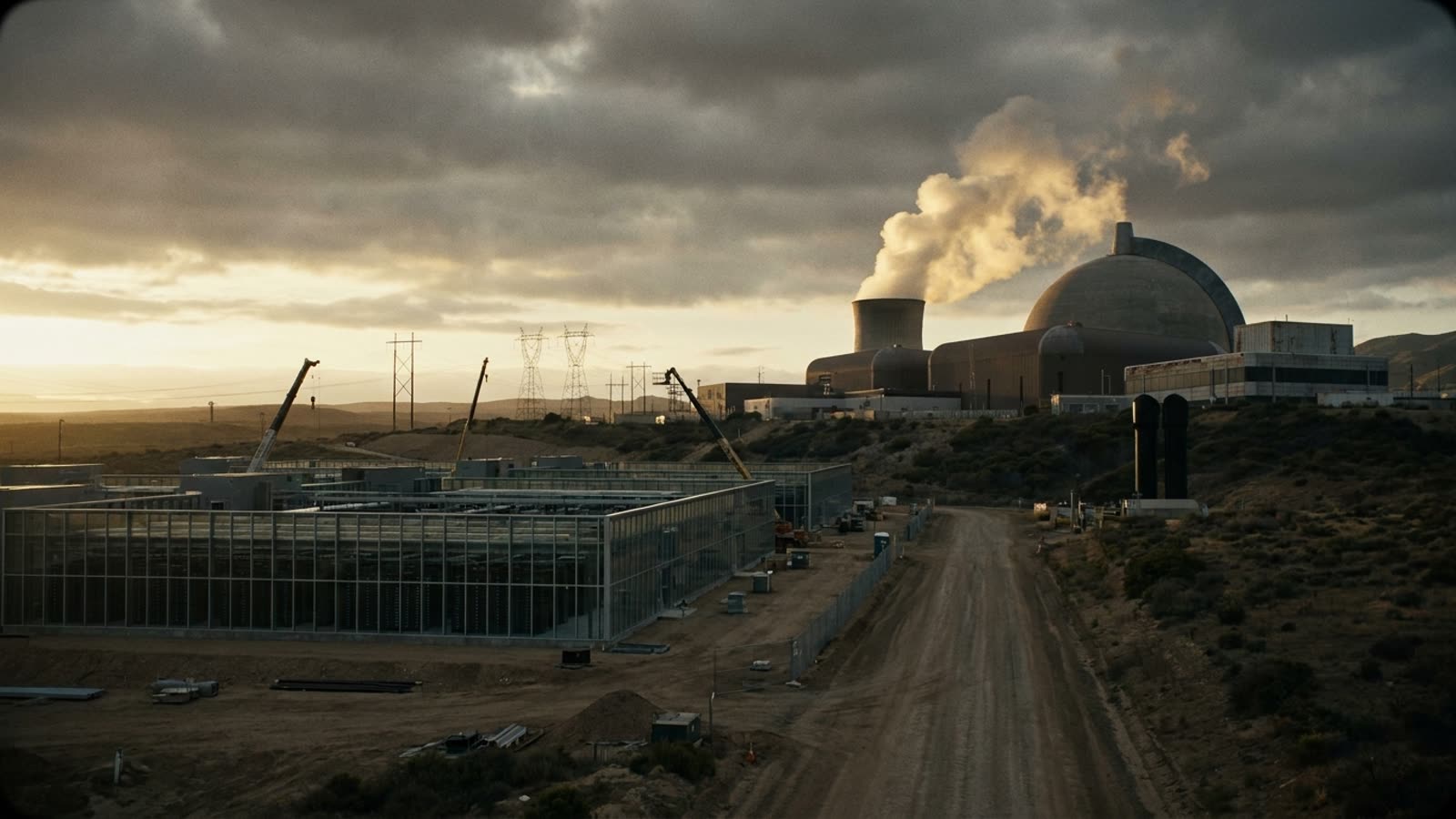
The Department of Energy's quiet push to authorize advanced nuclear reactors to use plutonium fuel marks one of the most consequential energy policy shifts in decades—and the primary beneficiary won't be the electrical grid or climate goals, but the insatiable power demands of artificial intelligence infrastructure.
The Trump administration's proposal would allow nuclear startups to utilize plutonium stockpiles, ostensibly addressing America's growing inventory of weapons-grade material that currently sits in expensive, security-intensive storage. But the timing reveals the true strategic calculus: AI data centers are projected to consume more electricity than some mid-sized countries within the next five years, and conventional power generation cannot scale fast enough.
The arithmetic of AI's appetite
A single large language model training run can consume the equivalent electricity of thousands of homes for months. Microsoft, Google, Amazon, and Meta have all announced nuclear power partnerships or direct investments in the past eighteen months, recognizing that renewable intermittency and natural gas volatility make neither a reliable foundation for facilities that must run continuously at maximum capacity. Plutonium-fueled reactors offer energy density that no other source can match—and the fuel already exists, paid for by Cold War defense budgets.
The policy also neatly sidesteps the uranium enrichment bottleneck that has plagued the nuclear renaissance. Existing plutonium requires no new mining, no complex centrifuge operations, and no dependence on foreign supply chains that have grown increasingly fraught.
Regulatory theater and real risks
Critics within the Nuclear Regulatory Commission have raised proliferation concerns, noting that normalizing plutonium fuel cycles could complicate international non-proliferation frameworks. The administration's counter-argument—that the material is already here and already a liability—has a certain brutal logic, even if it glosses over the difference between secured storage and active commercial use.
Startups like Oklo, TerraPower, and X-energy stand to benefit most directly, having designed reactor architectures that can accommodate alternative fuel sources. Their venture backers, who include Sam Altman and Bill Gates, have been lobbying for exactly this regulatory flexibility.
Our take
This is industrial policy disguised as nuclear waste management, and it's refreshingly honest about America's actual priorities. The country has decided that AI supremacy requires dedicated power infrastructure, and it's willing to rewrite decades of nuclear doctrine to get it. Whether that's wise depends entirely on execution—and on whether the startups promising fourth-generation safety actually deliver it. The plutonium isn't going anywhere regardless; the question is whether we're building reactors or just mausoleums.