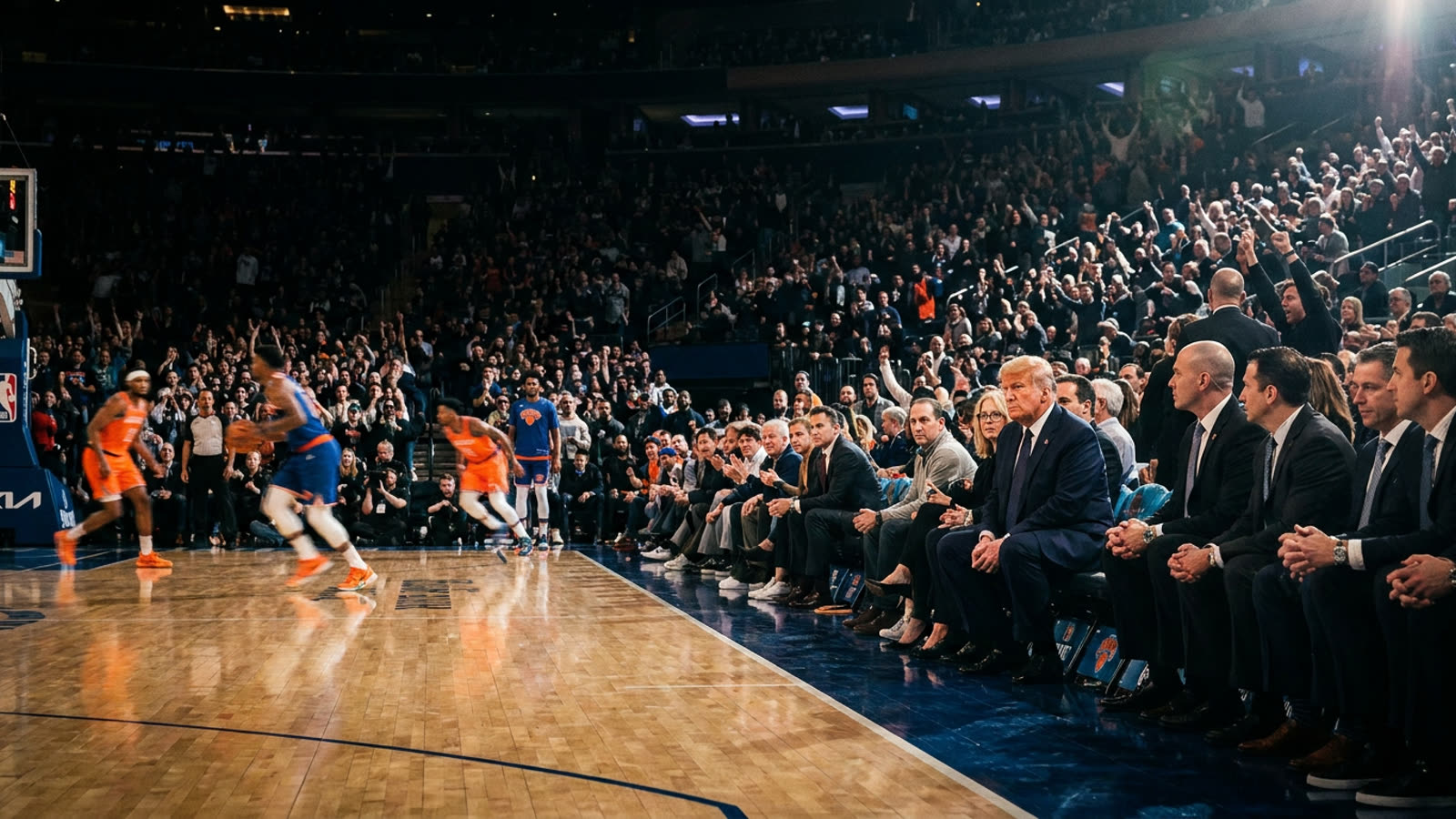
Donald Trump returning to Madison Square Garden for an NBA Finals game is not news in the conventional sense — it is an inevitability finally made official. The President, who held his infamous October 2024 rally at the same venue, has announced plans to attend what would be the Knicks' first Finals appearance since 1999, assuming New York advances past the Eastern Conference Finals. The basketball will be almost beside the point.
The announcement lands at a peculiar moment for professional sports' relationship with presidential politics. The traditional photo-op of championship teams visiting the White House has become a fraught negotiation during both Trump administrations, with athletes declining invitations and teams issuing carefully worded statements about scheduling conflicts. Now the dynamic inverts: the President comes to them, and the arena — not the Rose Garden — becomes the stage.
The MSG factor
Madison Square Garden occupies singular real estate in Trump's political mythology. His 2024 rally there produced the infamous "floating island of garbage" joke about Puerto Rico that dominated news cycles for days. The venue's owner, James Dolan, has maintained a studied neutrality that reads as tacit accommodation to whoever holds power. For Trump, returning to MSG as a sitting president attending a potential championship represents something like narrative closure — the building where his campaign nearly imploded becoming the backdrop for what his team will frame as vindication.
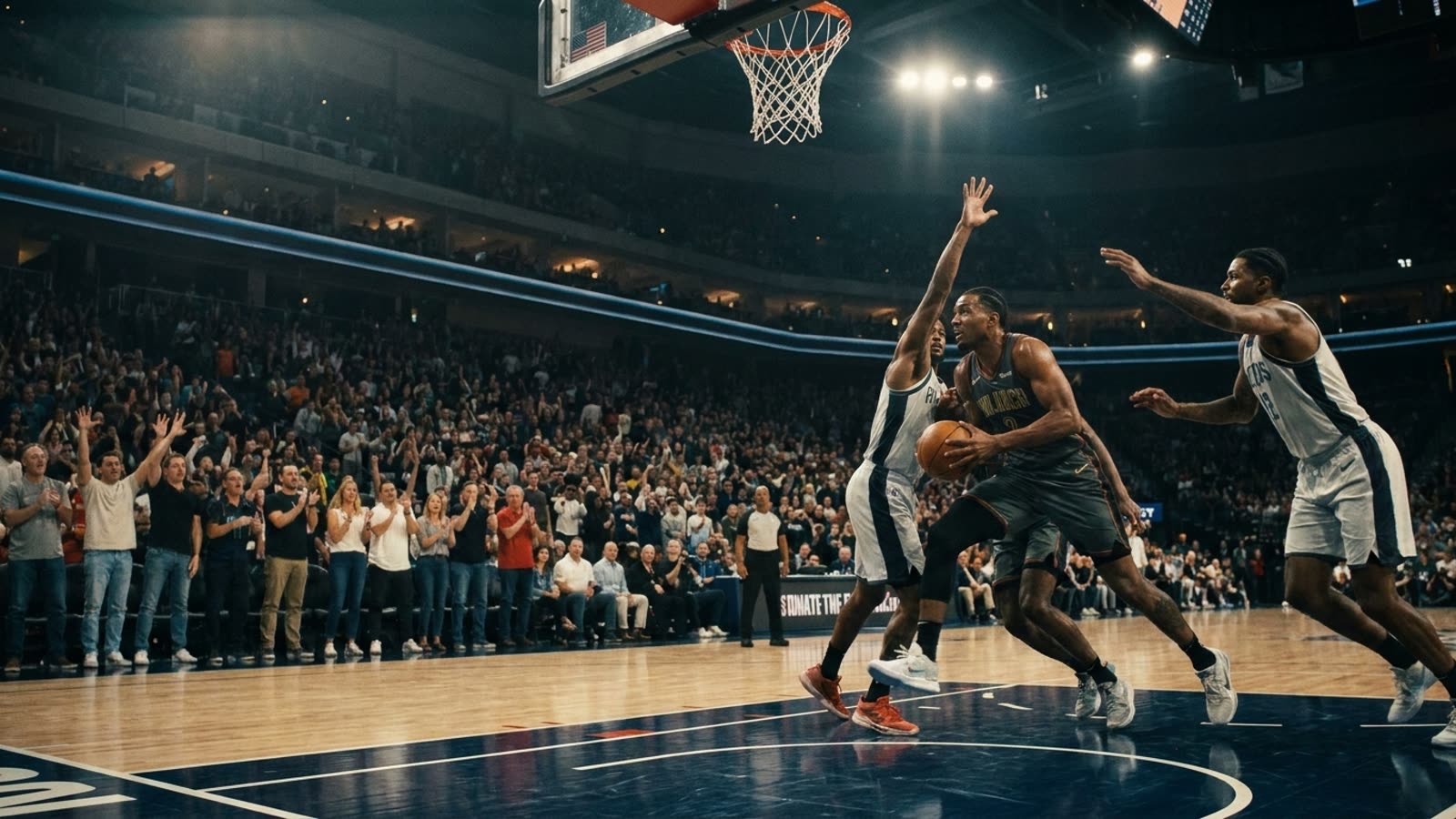
The Knicks themselves present an interesting case study. The franchise has spent decades as basketball's most valuable underachiever, its proximity to media and finance capital ensuring coverage that far exceeds its on-court results. A Finals run would be the biggest New York sports story in years. Trump's presence ensures that story becomes something else entirely.
The league's calculation
The NBA finds itself in familiar territory: attempting to balance a player workforce that skews progressive, an ownership class that skews wealthy (and therefore politically diverse), and a global audience that includes both American culture warriors and Chinese state television. Commissioner Adam Silver has generally navigated these waters by emphasizing the league's commitment to player expression while avoiding direct confrontation with political figures.
A presidential appearance at the Finals requires no league approval — the Secret Service coordinates with arena security, and the broadcast captures whatever happens. The question becomes one of optics management. Do cameras cut away during crowd reactions? How does the broadcast handle chants, whether supportive or hostile? The 2024 World Series, which Trump attended, offered a preview: a mix of cheers and boos that each side claimed as evidence of their preferred narrative.
Our take
The sports-as-escape-from-politics fantasy died years ago, if it ever existed. What Trump's MSG announcement clarifies is that major sporting events have become too valuable as cultural battlegrounds for any president to ignore. The Knicks could win their first championship in over fifty years, and the dominant image might still be a reaction shot from the luxury boxes. That is not a commentary on Trump specifically — any president attending a championship would absorb oxygen. It is a commentary on what we have decided sports are for, which is increasingly everything except sports.