The paradox of Donald Trump's foreign policy has always been that he wants credit for deals without wanting to make the compromises deals require. With Iran, that contradiction is about to become unavoidable.
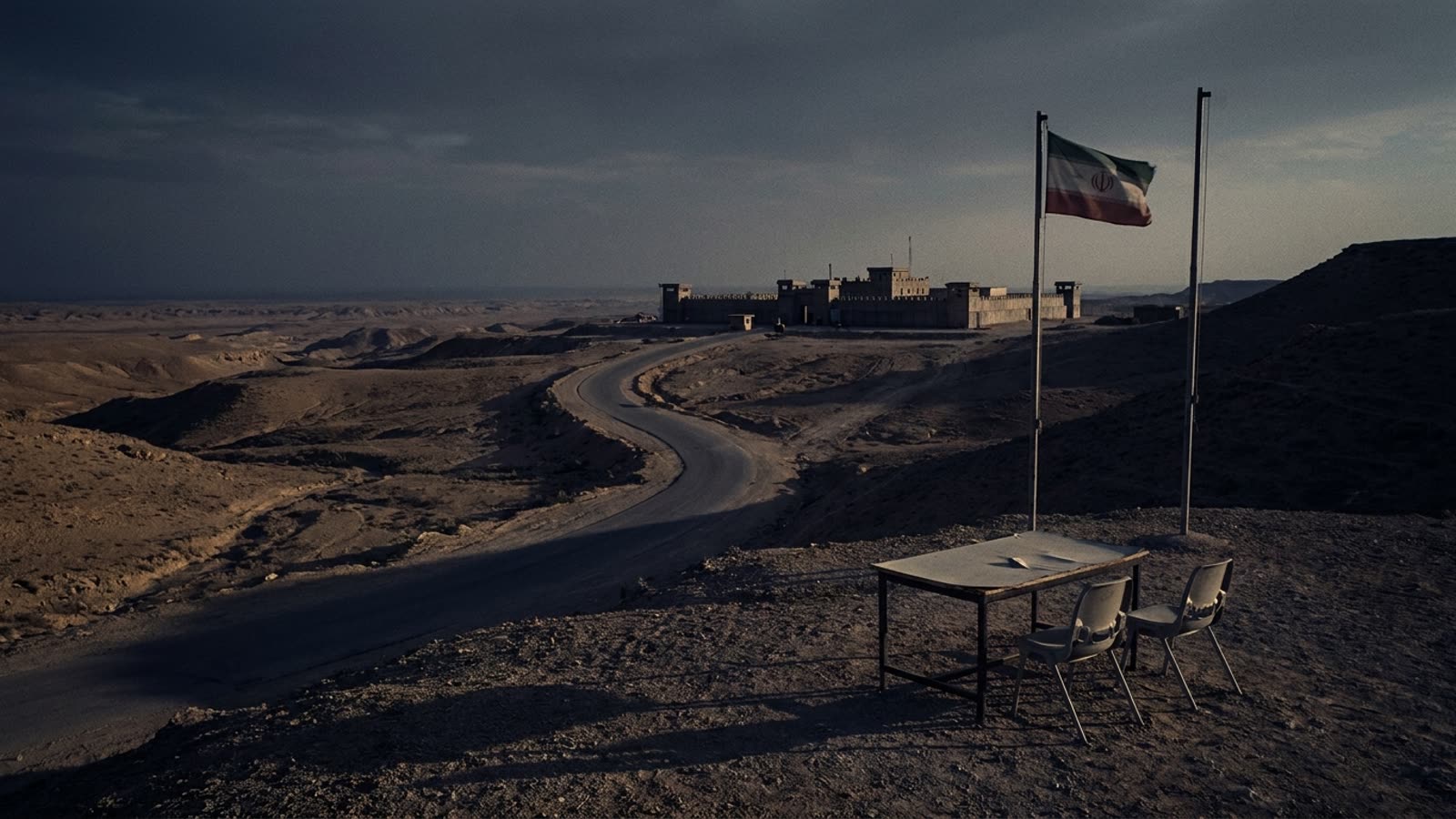
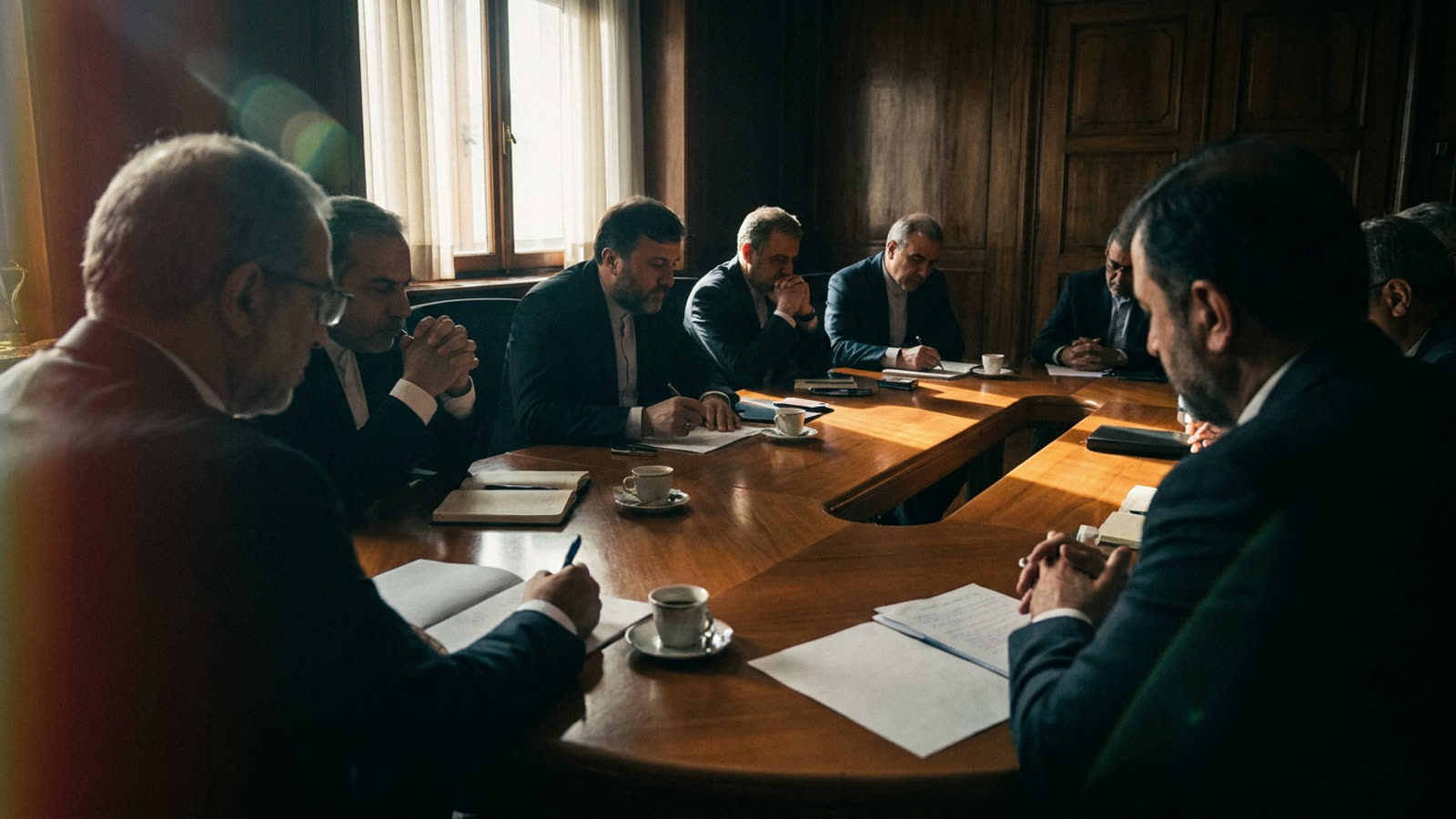
U.S. and Iranian negotiators have reached a tentative framework agreement that would extend the current ceasefire and establish a pathway toward broader normalization—a diplomatic achievement that, on paper, represents exactly the kind of breakthrough Trump has sought to claim. The problem is that the deal requires Trump's explicit sign-off, and the president now faces a narrowing corridor of options that leaves little room for his preferred tactic of strategic ambiguity.
The deal on the table
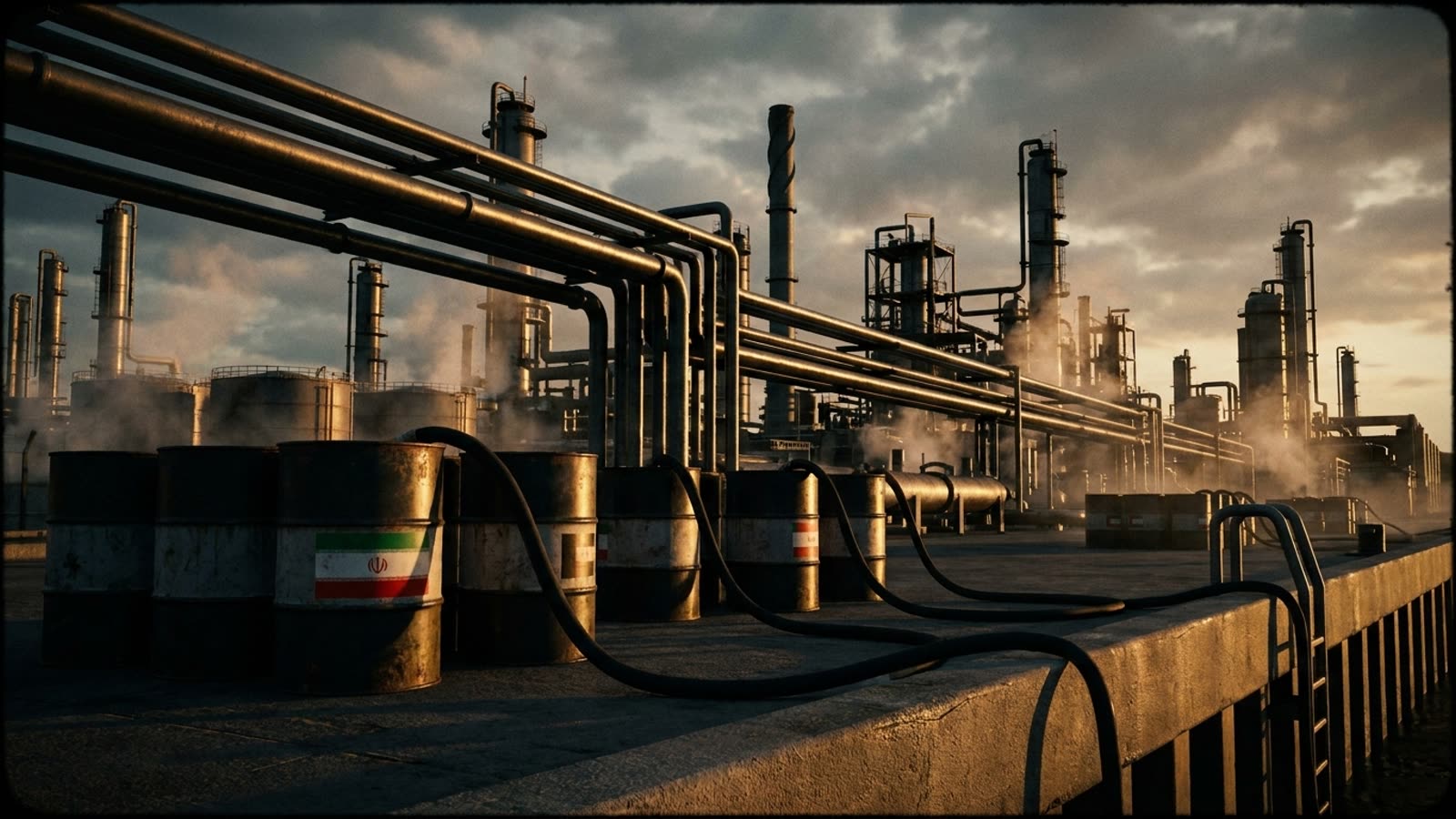
The framework reportedly includes an extension of the ceasefire that has held, imperfectly, since early spring, along with provisions for phased sanctions relief tied to verifiable constraints on Iran's nuclear program. For Tehran, the calculus is straightforward: the regime needs economic breathing room, and the current U.S. administration has shown more willingness to negotiate than any since Obama's second term. For Washington, the appeal is equally clear—a genuine diplomatic win that could stabilize oil markets and reduce the risk of a broader regional conflagration.
But Trump's room to maneuver has shrunk considerably. Having spent months cultivating an image as the president who brought Iran to heel through maximum pressure, accepting a deal that critics will inevitably compare to the JCPOA—the Obama-era agreement Trump withdrew from in 2018—risks alienating the hawkish coalition that forms his base's foreign policy core.
The domestic trap
The timing is particularly awkward. Trump's inner circle remains divided between pragmatists who see a deal as both strategically sound and politically useful, and ideologues who view any accommodation with Tehran as capitulation. The president has historically resolved such tensions by delaying decisions until circumstances force his hand, but the framework's structure appears designed to prevent exactly that kind of indefinite stalling.
Meanwhile, congressional Republicans are already signaling unease. Several prominent senators have indicated they would oppose any agreement that resembles the JCPOA's architecture, regardless of modifications. Trump could attempt to bypass Congress by framing the framework as an executive agreement rather than a treaty, but that approach carries its own political costs and would make any deal vulnerable to reversal by a future administration.
Our take
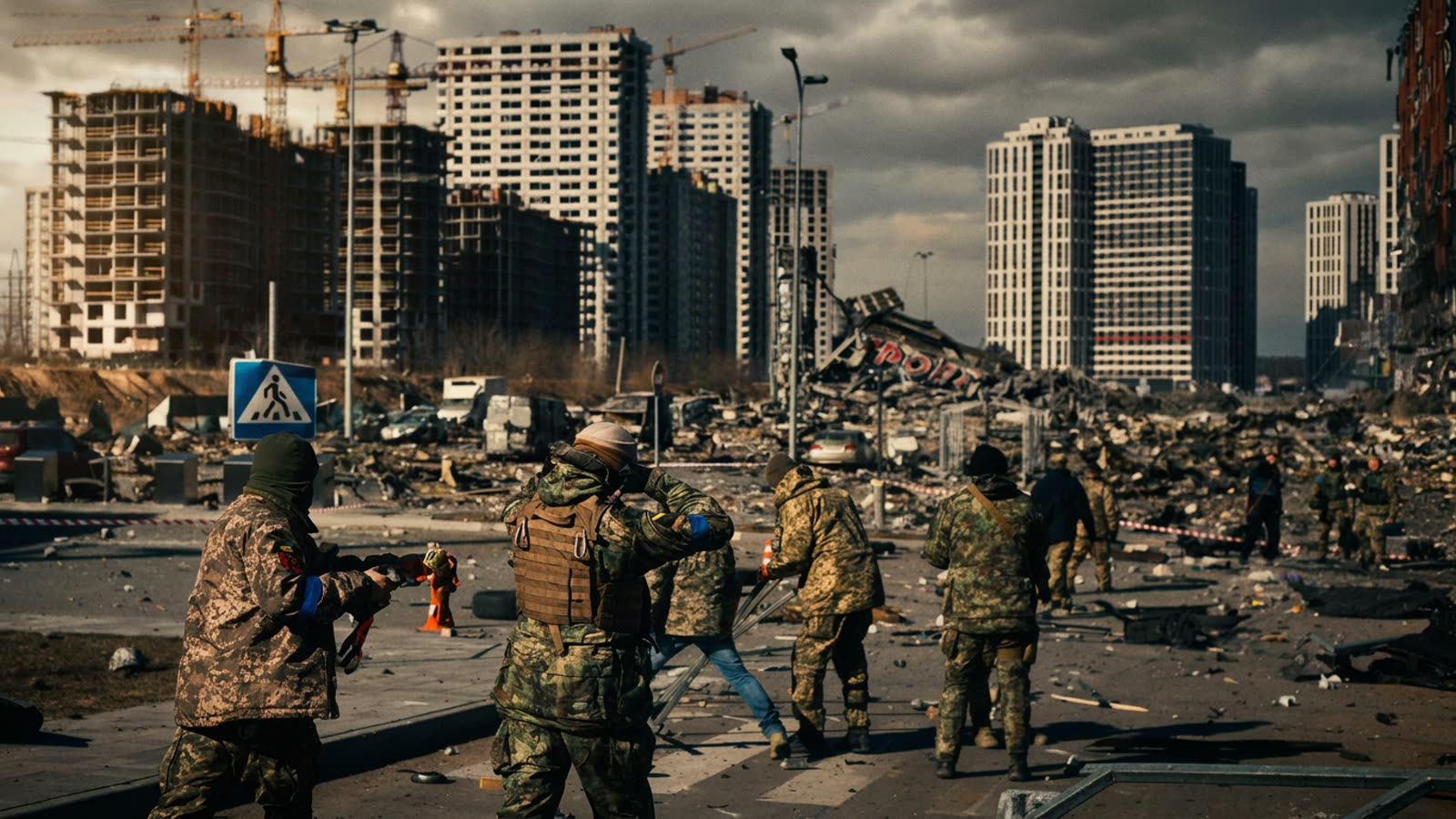
Trump has spent his political career insisting he alone can close deals that elude lesser negotiators. Iran has now called that bluff. The framework on his desk is imperfect, as all diplomatic compromises are, but it represents a genuine off-ramp from a conflict that has already cost American lives and billions in military expenditure. The question is whether Trump's deal-maker identity can survive actually making a deal—or whether the performance has always been the point.