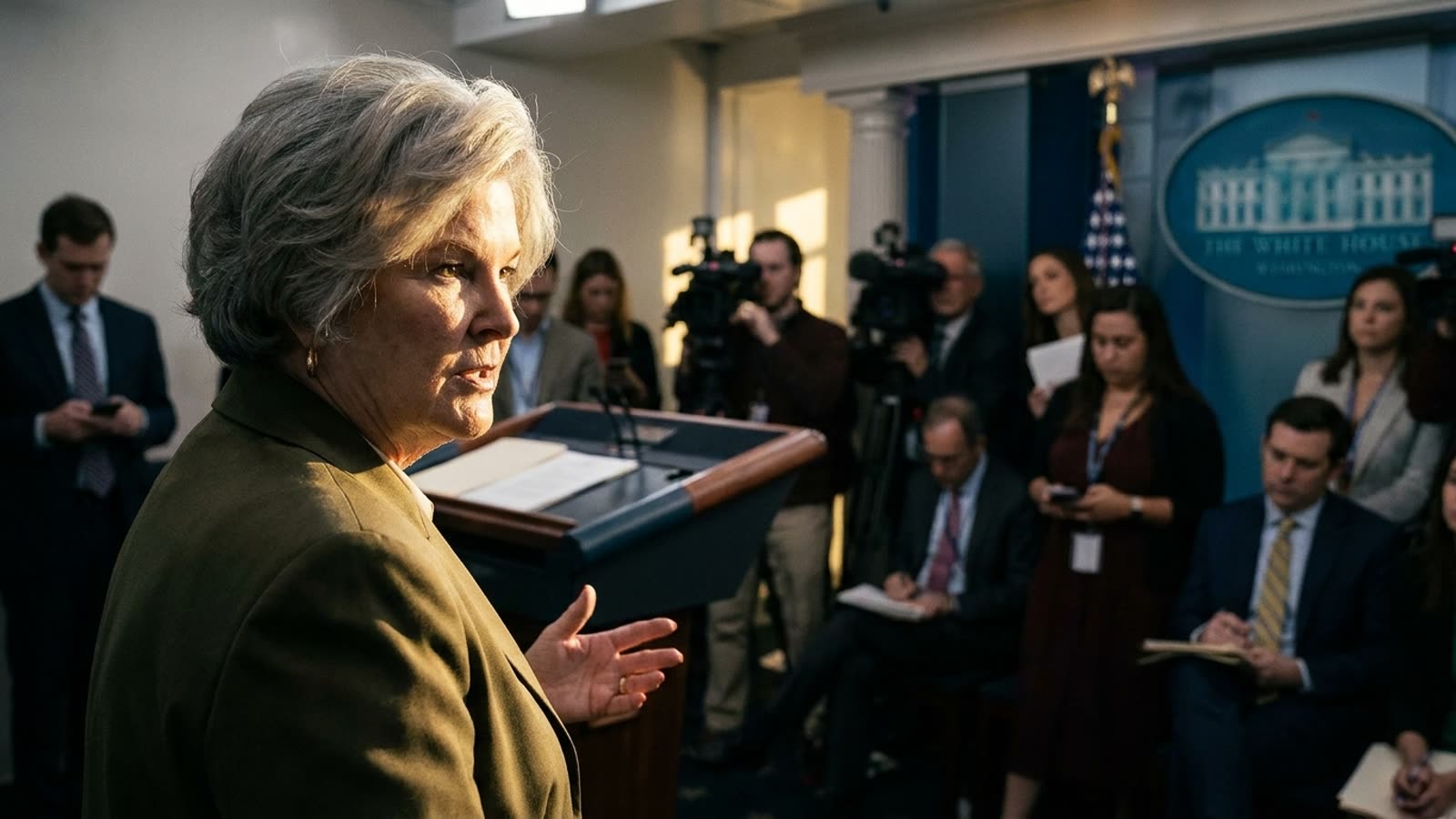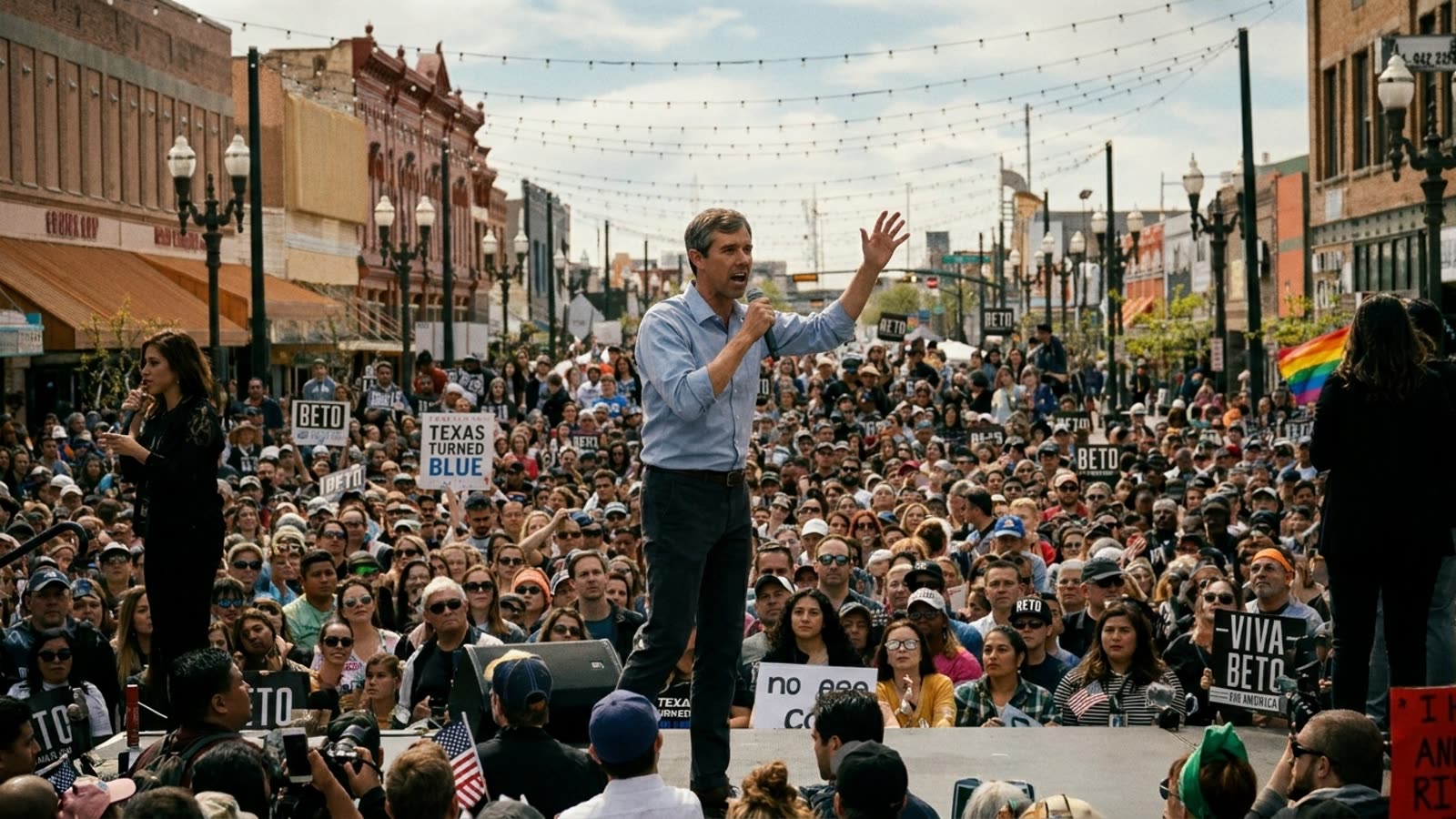
For decades, Texas was the white whale of Democratic politics—always tantalizingly close, always slipping away. On Tuesday, the whale beached itself. Democrats flipped both chambers of the state legislature, captured the governor's mansion, and sent a Democrat to the U.S. Senate for the first time since Lloyd Bentsen retired in 1993. The scale of the victory exceeded even the most optimistic internal projections, and it fundamentally redraws the map of American political possibility.
But winning is the easy part. Now comes the harder question: what do you do with Texas once you have it?
The arithmetic of an upset
The numbers are staggering. Democratic turnout in Harris, Dallas, Travis, and Bexar counties surged by double digits compared with 2022, while Republican margins in the exurban crescent around Houston collapsed. The backlash against the Trump administration's mass deportation campaign—particularly the images of National Guard convoys rolling through San Antonio neighborhoods—appears to have mobilized Latino voters at historic rates. Exit polls suggest Democrats won the Latino vote by nearly 40 points statewide, a margin that would have been unthinkable a decade ago.
Yet the coalition that delivered this result is fragile. Suburban moderates who defected from the GOP did so largely on immigration and abortion; they remain skeptical of progressive economic policy. Rural Texas, meanwhile, voted even more Republican than in 2024. The new Democratic majority in Austin will govern a state that is culturally divided in ways that transcend the red-blue binary.
The governing trap
Texas Democrats now face a classic insurgent's dilemma. They won by running against something—Trump, deportation raids, the state's near-total abortion ban—rather than by articulating a coherent affirmative agenda. The incoming governor, former El Paso congressman Beto O'Rourke, campaigned on restoring abortion access and expanding Medicaid, but the details remain hazy. Legislative leaders have floated everything from a state-level public option to marijuana legalization to a revamp of the electrical grid that failed so catastrophically during the 2021 winter storm.
Pursuing all of these at once risks overreach; pursuing none risks demoralizing the activist base that powered the turnout surge. And Republicans, though shellshocked, retain enough seats to slow-walk any legislation through procedural maneuvers. The two-year window before the next election is not as wide as it looks.
National implications
For the broader Democratic Party, Texas is both a gift and a complication. A reliably blue Texas would virtually guarantee the presidency for a generation—its 40 electoral votes are the second-largest prize on the map. But incorporating Texas into the national coalition means accommodating a political culture that is more pro-business, more religious, and more skeptical of federal intervention than the party's coastal strongholds. The tension between Austin progressives and Texas moderates will echo in every Democratic primary for the foreseeable future.
Our take
Texas Democrats earned this moment, and they should savor it. But the history of American politics is littered with parties that mistook a protest vote for a mandate. The midterms were a rejection of Trumpism's cruelest excesses, not an endorsement of any particular Democratic vision. If the new majority governs as though it has a blank check, it will discover soon enough that the check bounces. The smarter play is to bank a few tangible wins—Medicaid expansion, grid reform, perhaps a modest rollback of the abortion ban—and build the institutional muscle to defend them. Texas didn't become a red state overnight, and it won't stay blue without sustained effort.