The NBA playoffs are delivering competitive basketball, but the league's broadcast partners keep cutting to the seats. Taylor Swift at a Western Conference Finals game generates its own news cycle, social media surge, and merchandise correlation—a phenomenon the league has quietly systematized into a revenue stream that rivals traditional sponsorship.
This is not accidental celebrity sighting. It is cultivated economic infrastructure.
The attention arbitrage
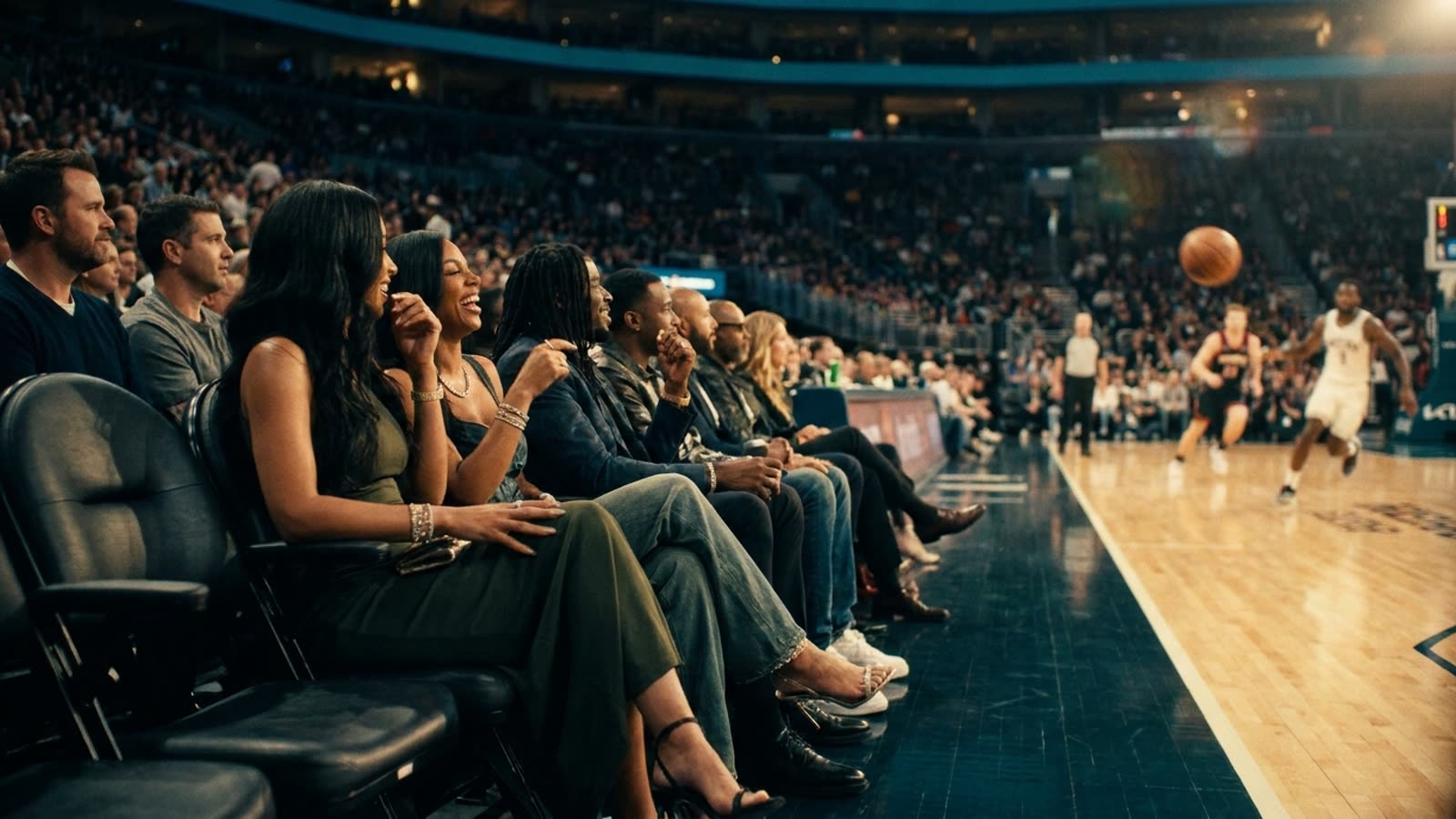
When cameras find Swift, Beyoncé, or any A-list presence courtside, the broadcast momentarily transforms into something closer to awards-show coverage. The NBA and its network partners have learned that these cutaways drive social engagement metrics that translate directly into advertising premiums. A single celebrity reaction shot can generate millions of impressions within minutes, extending the broadcast's reach far beyond basketball's core audience.
The economics are straightforward: courtside seats at playoff games now command prices exceeding $50,000 in major markets, but the league often comps or discounts premium placement for celebrities whose presence amplifies broadcast value. It is a barter system where fame is currency and attention is the product being sold to advertisers.
The sponsorship multiplier
Brands have caught on. Courtside celebrity appearances increasingly involve quiet commercial arrangements—not formal endorsements, but understood associations. A star wearing a particular watch or carrying a specific handbag courtside generates organic product placement that sidesteps advertising regulations. The NBA's broadcast agreements now implicitly account for this celebrity-adjacent inventory.
The result is a secondary economy operating alongside ticket sales and television rights. Teams with glamorous markets—Los Angeles, Miami, New York—command premium valuations partly because their arenas function as celebrity showcases. The Golden State Warriors' championship dynasty coincided with Silicon Valley's wealth explosion, turning Chase Center into a technology-money-entertainment nexus that smaller markets cannot replicate.
Our take
The NBA has achieved something most sports leagues only dream about: making the audience part of the product. Whether this represents marketing genius or the final stage of spectacle capitalism depends on your tolerance for meta-entertainment. What is undeniable is that the league has found a way to monetize fame itself, turning courtside seats into a broadcast asset class. The basketball, increasingly, is the excuse.