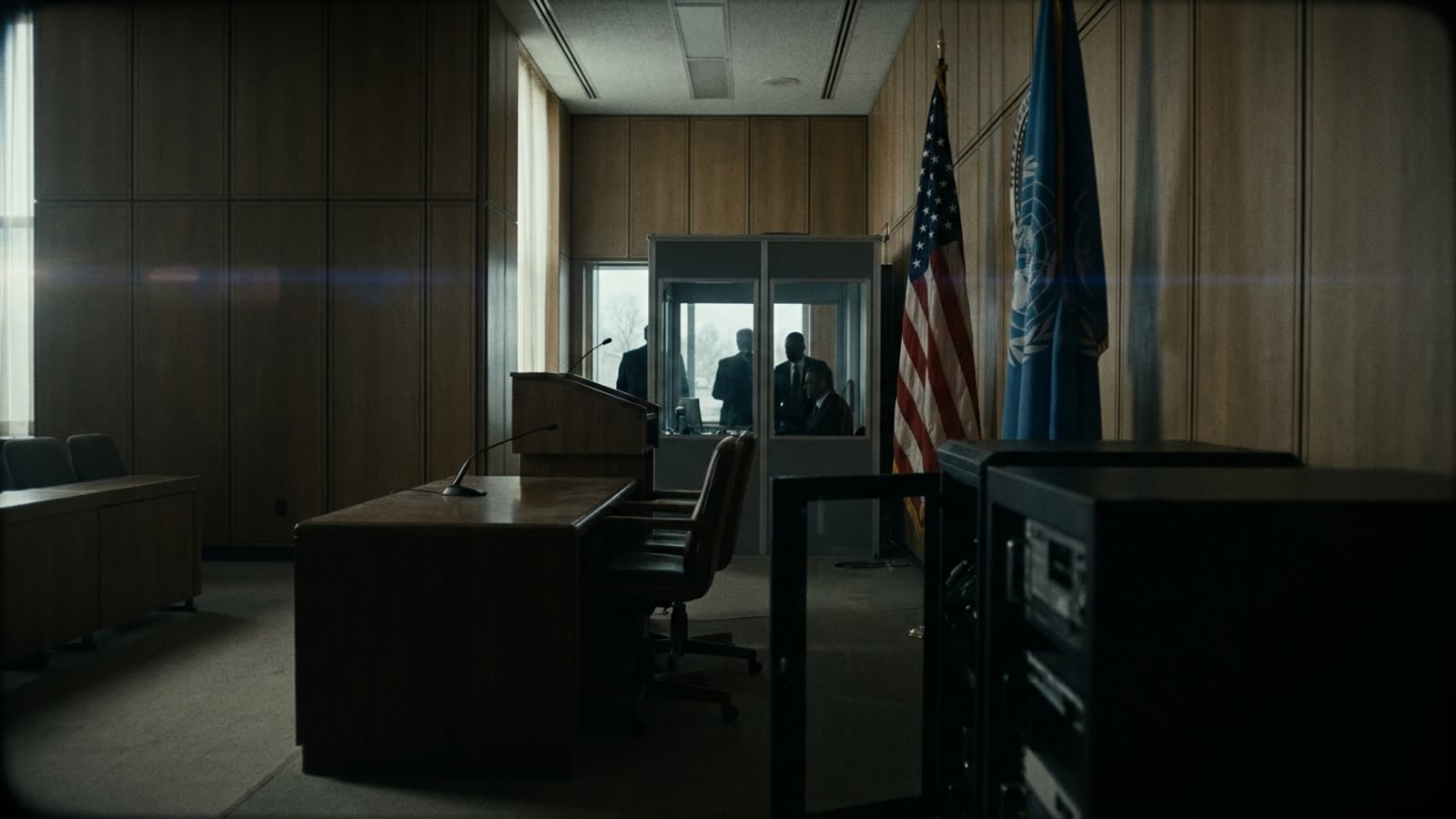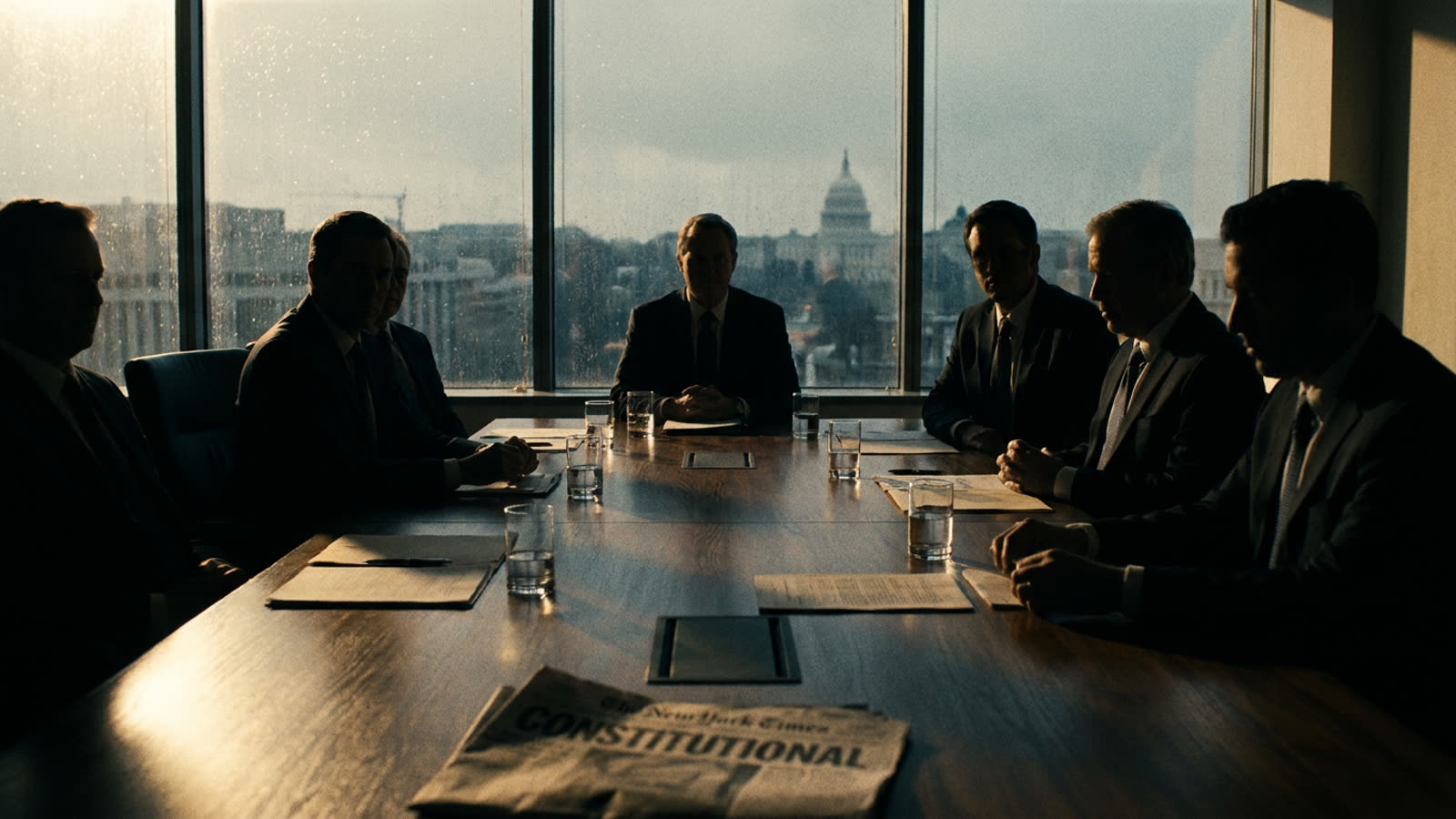
The United States Supreme Court is about to discover whether its institutional authority can survive a president who treats judicial review as optional.
Three years into his second term, Donald Trump has pushed executive power past every guardrail his lawyers once assured the public would hold. Now, with landmark decisions pending on immigration enforcement, administrative subpoenas, and the boundaries of presidential immunity, the Court finds itself in an impossible position: rule against Trump and risk being ignored, or rule for him and ratify an imperial presidency.
The docket of reckoning
The cases before the Court this term read like a stress test for constitutional democracy. At stake are questions about whether the executive branch can defy congressional subpoenas indefinitely, whether immigration authorities can bypass judicial review entirely, and whether the president's pardon power extends to pre-emptive self-pardons for official acts.
Each case arrives with the same subtext: what happens if the White House simply refuses to comply? The Court has no army. Its power rests entirely on the assumption that its rulings will be honored. Trump has spent years eroding that assumption, publicly mocking judges, floating the idea of ignoring rulings he dislikes, and staffing the executive branch with loyalists who view judicial independence as an obstacle rather than a principle.
The justices' dilemma
The conservative supermajority Trump helped create now faces the consequences of its own handiwork. The 2024 immunity ruling, which granted presidents broad protection for official acts, gave the administration a legal framework to argue that virtually any presidential directive falls outside judicial reach. Justices who thought they were protecting the office may have instead handed a blank check to the officeholder.
Chief Justice John Roberts, ever the institutionalist, has reportedly grown alarmed at the administration's posture toward the courts. But his options are limited. A fractured Court issuing narrow, technical rulings will be steamrolled. A unified Court issuing sweeping rebukes will be tested in ways not seen since Andrew Jackson reportedly said of a ruling he disliked, "Let them enforce it."
The enforcement question
Constitutional scholars have long treated judicial supremacy as settled doctrine. Marbury v. Madison established the Court's authority to say what the law is. But that authority has always depended on political actors accepting it. When Franklin Roosevelt threatened to pack the Court, the justices blinked. When Richard Nixon was ordered to hand over the Watergate tapes, he complied—but only because his political support had collapsed.
Trump faces no such collapse. His approval ratings among Republicans remain formidable. His allies control both chambers of Congress. The enforcement mechanisms that might compel compliance—impeachment, contempt proceedings, public backlash—all require political will that does not currently exist.
Our take
The Supreme Court is about to learn what the rest of Washington already knows: institutions do not defend themselves. The justices spent decades accumulating power and prestige, confident that norms would protect them. Now they face an executive who views norms as suggestions and the Constitution as a negotiating position. Whatever the Court decides this term, the more important question is whether anyone will listen—and what it means for American democracy if they do not.