The Supreme Court's decision to let New Hampshire bar student identification cards at polling places is not about voter fraud. It is about voter composition. College students vote, when they vote, overwhelmingly Democratic. A policy that makes voting marginally harder for them and no one else is not neutral election administration—it is partisan arithmetic dressed in procedural language.
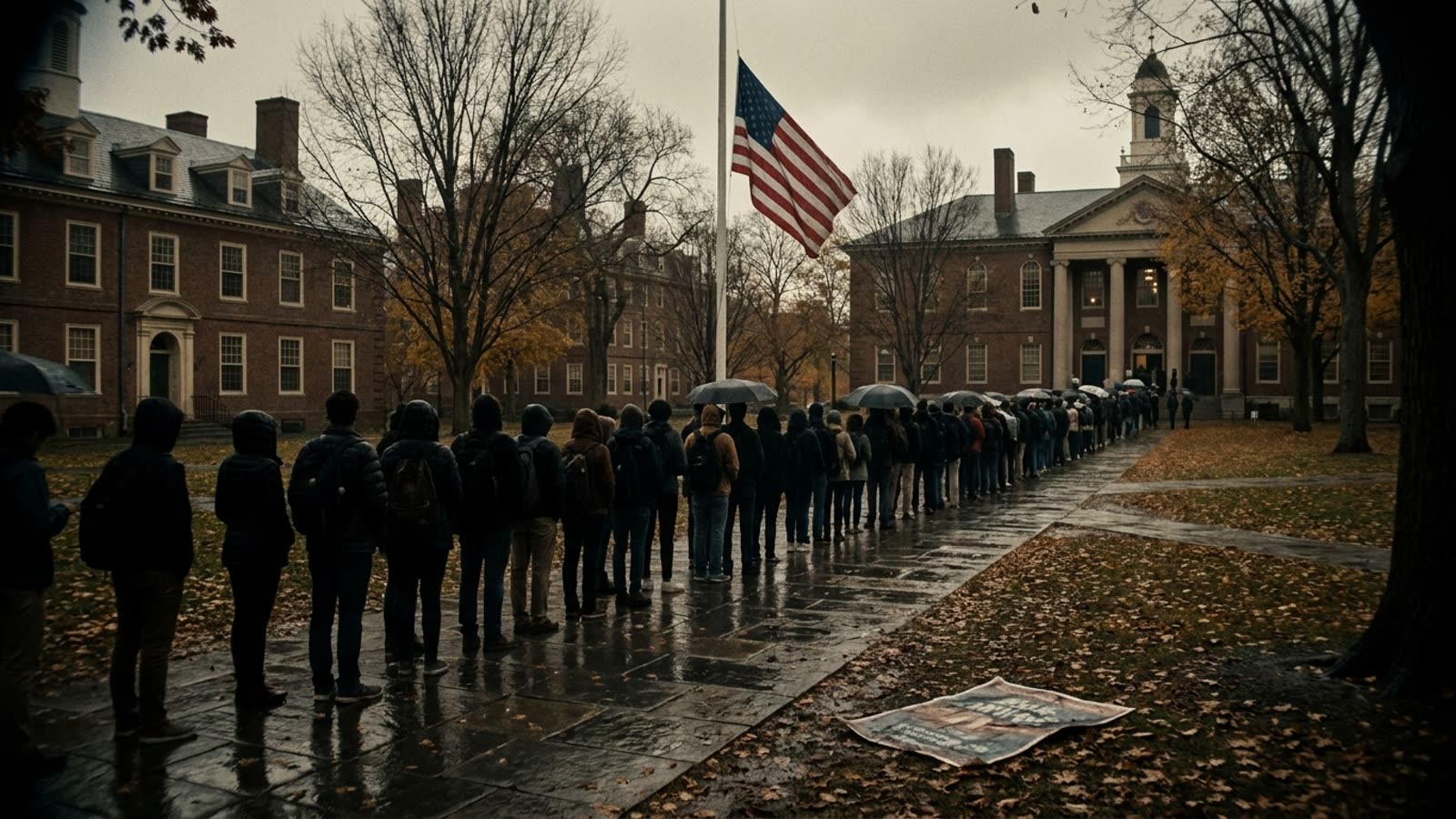
The New Hampshire directive at issue did not ban students from voting. It simply refused to accept the one form of photo ID most students carry: their university cards. They could still vote if they produced a driver's license, a passport, or one of several other documents that eighteen-year-olds living in dormitories frequently do not possess. The practical effect was to create a two-tier system in which permanent residents flash a card and walk in, while students face a bureaucratic obstacle course.
The Court's reasoning, such as it is
The unsigned order offered no detailed rationale, as is typical of the shadow docket. But the implication is clear: states enjoy broad latitude to set identification requirements, and the Constitution does not guarantee any particular form of ID will be accepted. This is technically defensible and practically cynical. A state could, under this logic, accept only concealed-carry permits and fishing licenses—documents that correlate with one demographic—and call it evenhanded.
Justice Sotomayor, joined by Justice Jackson, dissented, noting that the directive was implemented weeks before an election and that students had no realistic time to obtain alternative identification. The majority was unmoved.
Why New Hampshire matters beyond New Hampshire
The Granite State is not a deep-red stronghold. It is a swing state with a Republican-controlled legislature and a Democratic-trending electorate, particularly in university towns like Durham and Hanover. Suppressing the student vote there is not about protecting election integrity; it is about protecting incumbents.
More importantly, the ruling signals to other states that similar restrictions will survive judicial review. Texas, Wisconsin, and Georgia have all flirted with student-ID exclusions. They now have a green light. Expect copycat legislation in the next session.
The midterm stakes
With control of the Senate genuinely uncertain and several House races hinging on college-town turnout, the timing is exquisite. Students who might have voted on impulse—walking from class to the polling station, ID in pocket—will now need to plan ahead, request documents, navigate bureaucracy. Some will. Many will not. That is the point.
Our take
Voter-ID laws are not inherently unreasonable; most democracies have them. But the selective exclusion of credentials held predominantly by young, mobile, left-leaning citizens is not election security. It is incumbent protection. The Court's refusal to intervene is a policy choice masquerading as judicial restraint, and it will shape the composition of Congress for years to come.