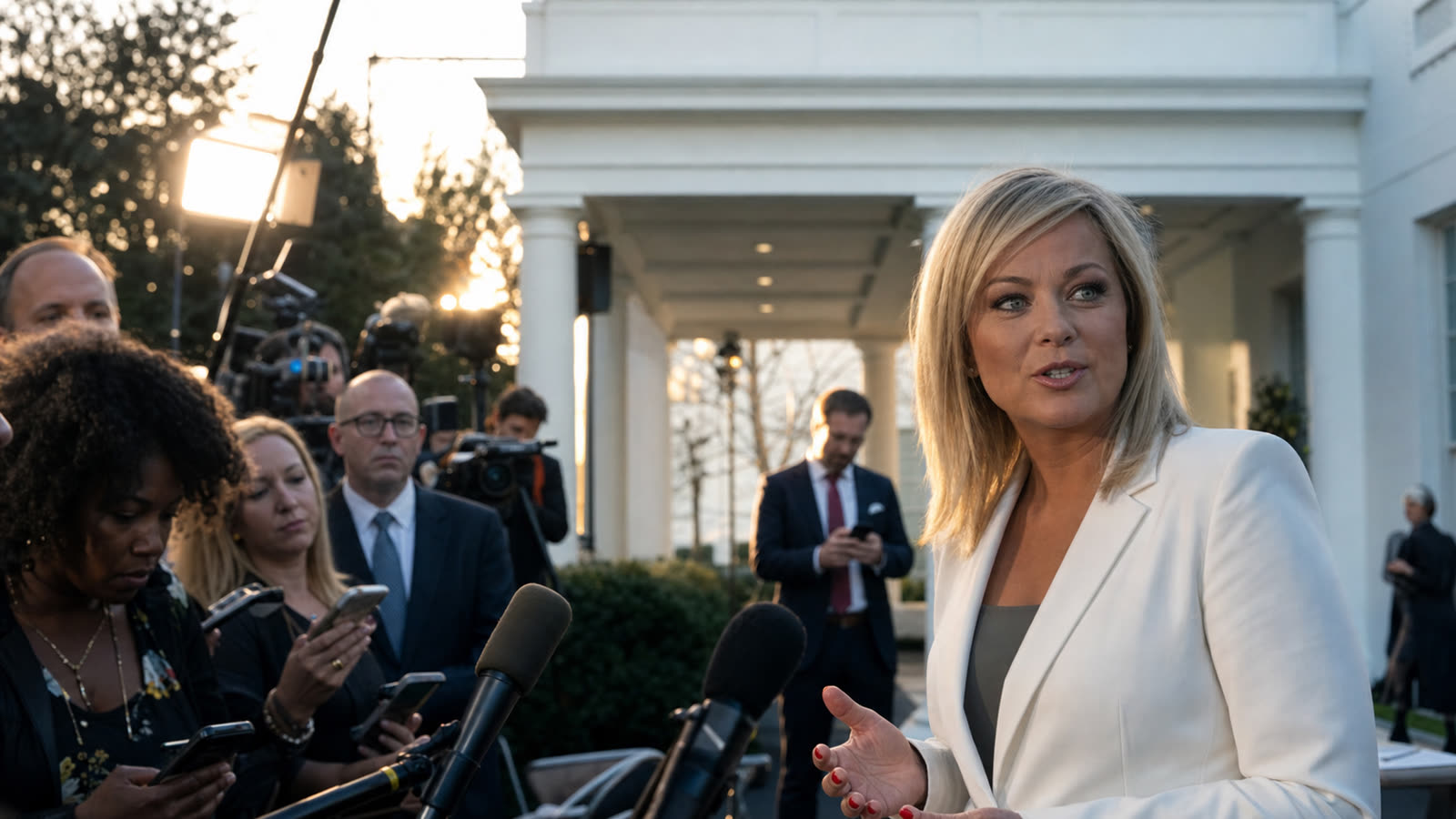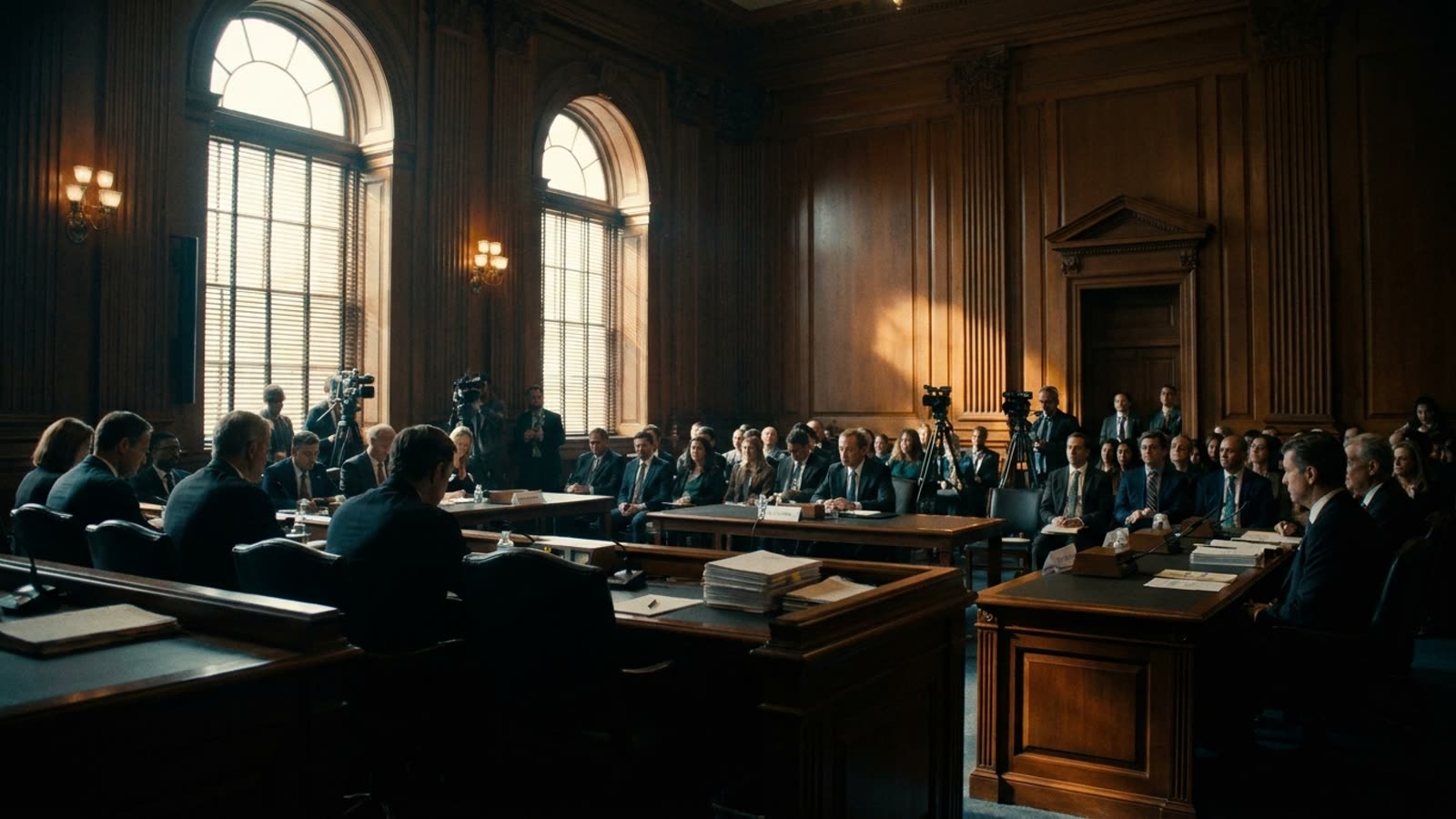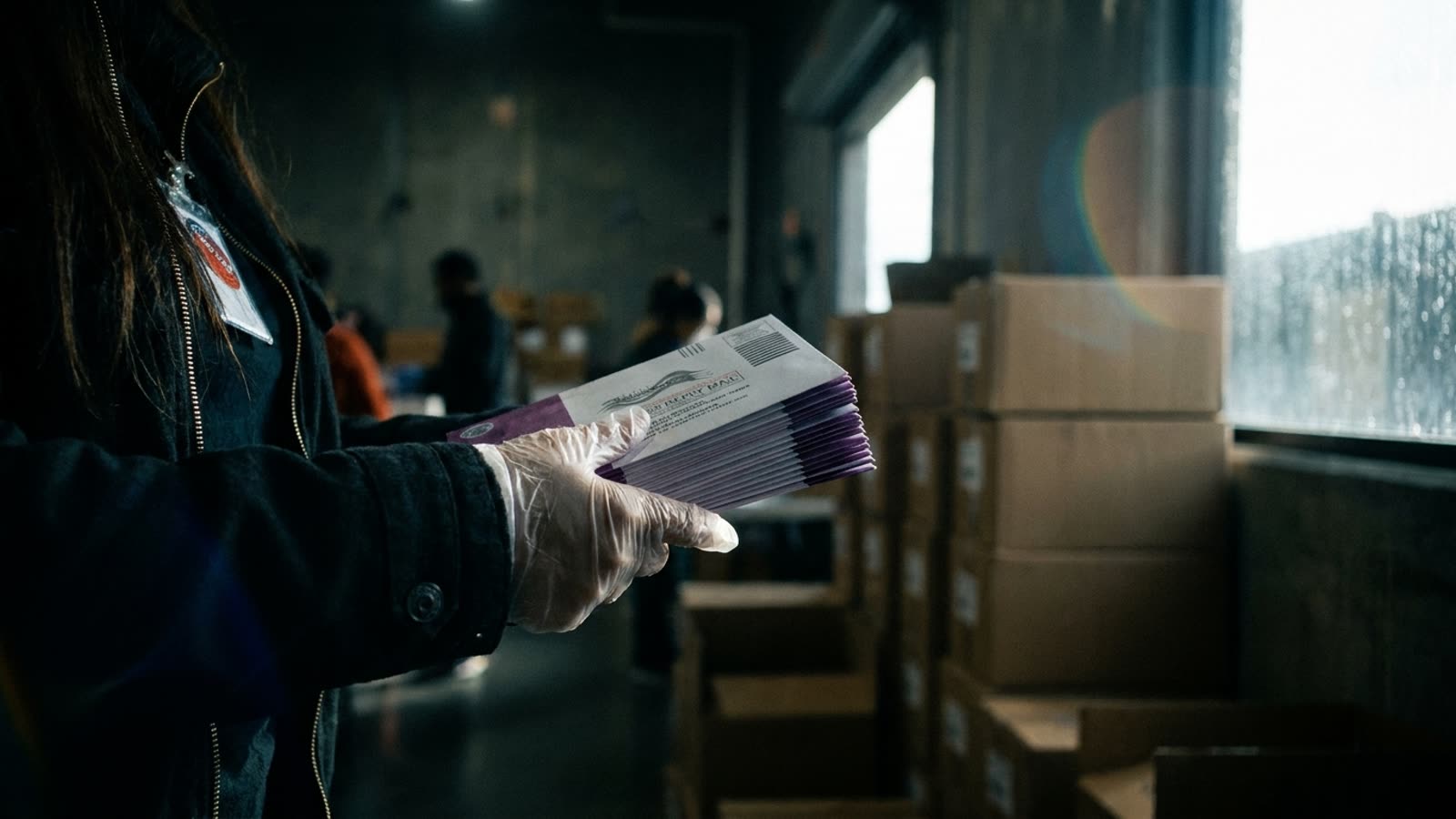
The Trump administration's eleventh-hour gambit to quarantine ballots in California collapsed Monday night when the Supreme Court declined to take up its emergency request—a terse, unsigned rebuff that arrived with the clarity of a slammed door. The Justice Department had sought to force state officials to segregate roughly 20,000 ballots it alleged were cast by non-citizens, a move that would have marked the most direct federal intervention in a state's vote-counting process in modern memory. Instead, the ballots will be counted alongside every other.
The ruling capped a frantic legal day that saw lower courts reject the same arguments in similarly curt fashion. What makes the Supreme Court's refusal notable is not merely the outcome but the silence: no noted dissents, no concurrences explaining the reasoning, no indication that even the Court's conservative supermajority saw merit in the request. For an administration that has treated the federal judiciary as an extension of its policy apparatus, the quiet unanimity stings.
The administration's theory—and its collapse
Justice Department filings alleged that California's voter rolls contained non-citizens who had cast ballots, a claim state officials called unsupported by evidence. The administration sought an extraordinary remedy: ordering a sovereign state to halt its normal certification process and physically separate ballots based on a federal list of suspect voters. California's attorney general called the demand "constitutionally illiterate," and successive judges agreed. The Supreme Court's refusal to intervene effectively validates that assessment.
Critics noted that the list of allegedly ineligible voters was compiled using federal immigration databases that are notoriously prone to error—matching names and birthdates without accounting for naturalization, clerical mistakes, or simple coincidence. Even if a handful of the flagged individuals were indeed non-citizens, the remedy sought—mass disenfranchisement pending investigation—would have swept up thousands of lawful voters.
A pattern of judicial friction
Monday's ruling is the latest in a string of courtroom setbacks for the administration's voter-fraud crackdown. Over the past year, federal judges have dismissed challenges to state election procedures in Arizona, Georgia, and Pennsylvania, often with pointed language about the absence of credible evidence. The administration has nonetheless continued to pursue prosecutions: earlier Monday, the DOJ announced charges against six more individuals in California, bringing the national total of alleged voter-fraud defendants to several dozen—a number that, while headline-grabbing, represents a statistical rounding error in an electorate of more than 160 million.
The political utility of the prosecutions, however, may matter more than their legal merit. Each arrest generates local news coverage and reinforces the administration's narrative that elections are under siege from foreign infiltration—a message that polls suggest resonates with the Republican base even as it alienates swing voters.
Our take
The Supreme Court's silence speaks loudly. A bench that has shown no reluctance to reshape administrative law, abortion rights, and regulatory power evidently draws the line at last-minute electoral chaos. That should offer cold comfort to Democrats celebrating the ruling: the underlying prosecutions continue, the rhetoric will intensify, and the next emergency petition is surely already being drafted. But for one night, at least, the guardrails held.