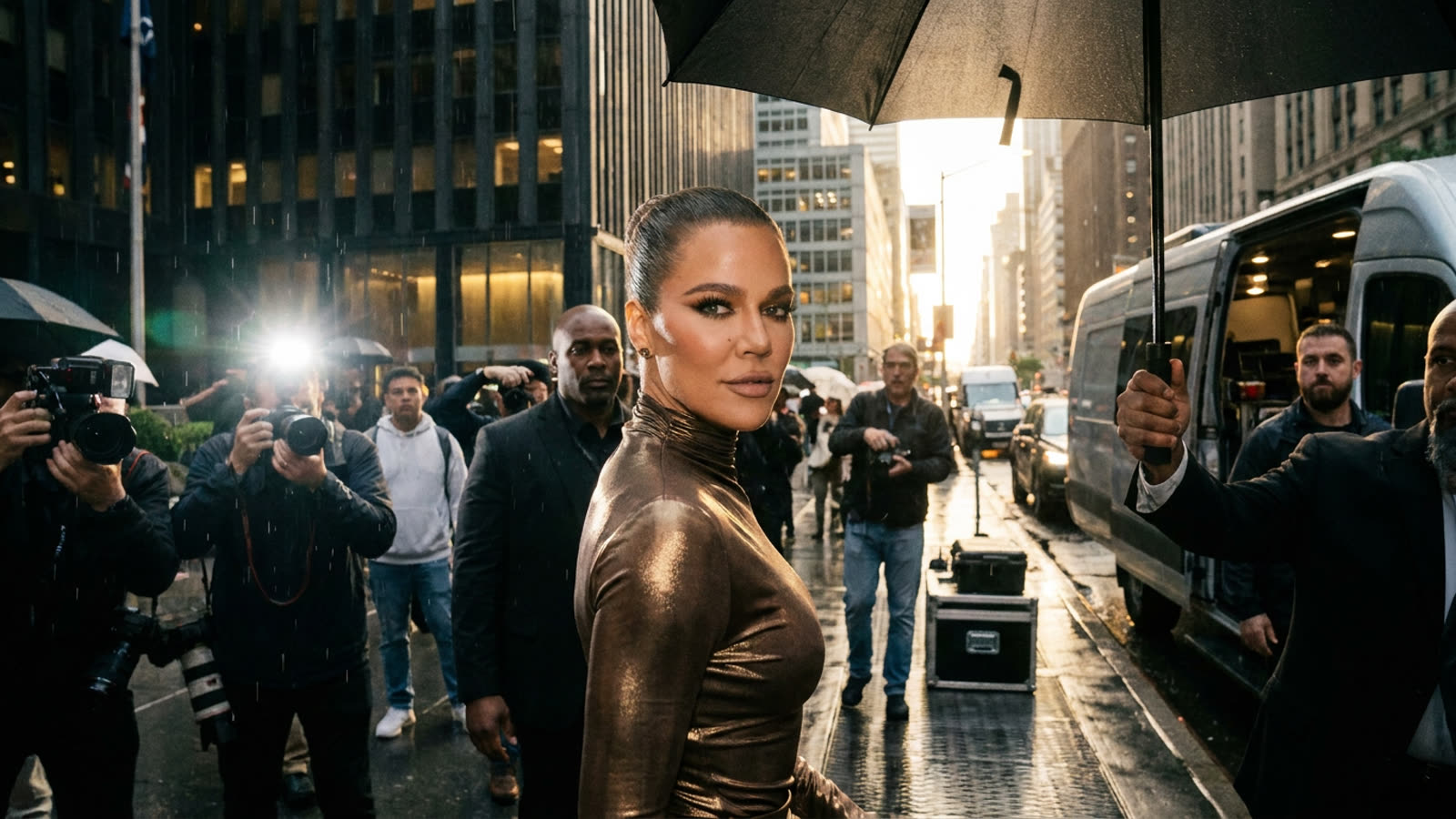
The celebrity injury has completed its transformation from tabloid curiosity to content genre. What once warranted a brief photo caption now commands multi-platform rollouts, complete with healing updates and brand partnerships with recovery products.
This week's parade of famous faces sporting various states of physical distress—captured by photographers, shared by publicists, dissected by fans—illustrates how thoroughly the wounded celebrity has been absorbed into the entertainment ecosystem. The bruise, the bandage, the mysterious limp: each has become a narrative device as reliable as the red carpet gown or the airport paparazzi shot.
The vulnerability economy
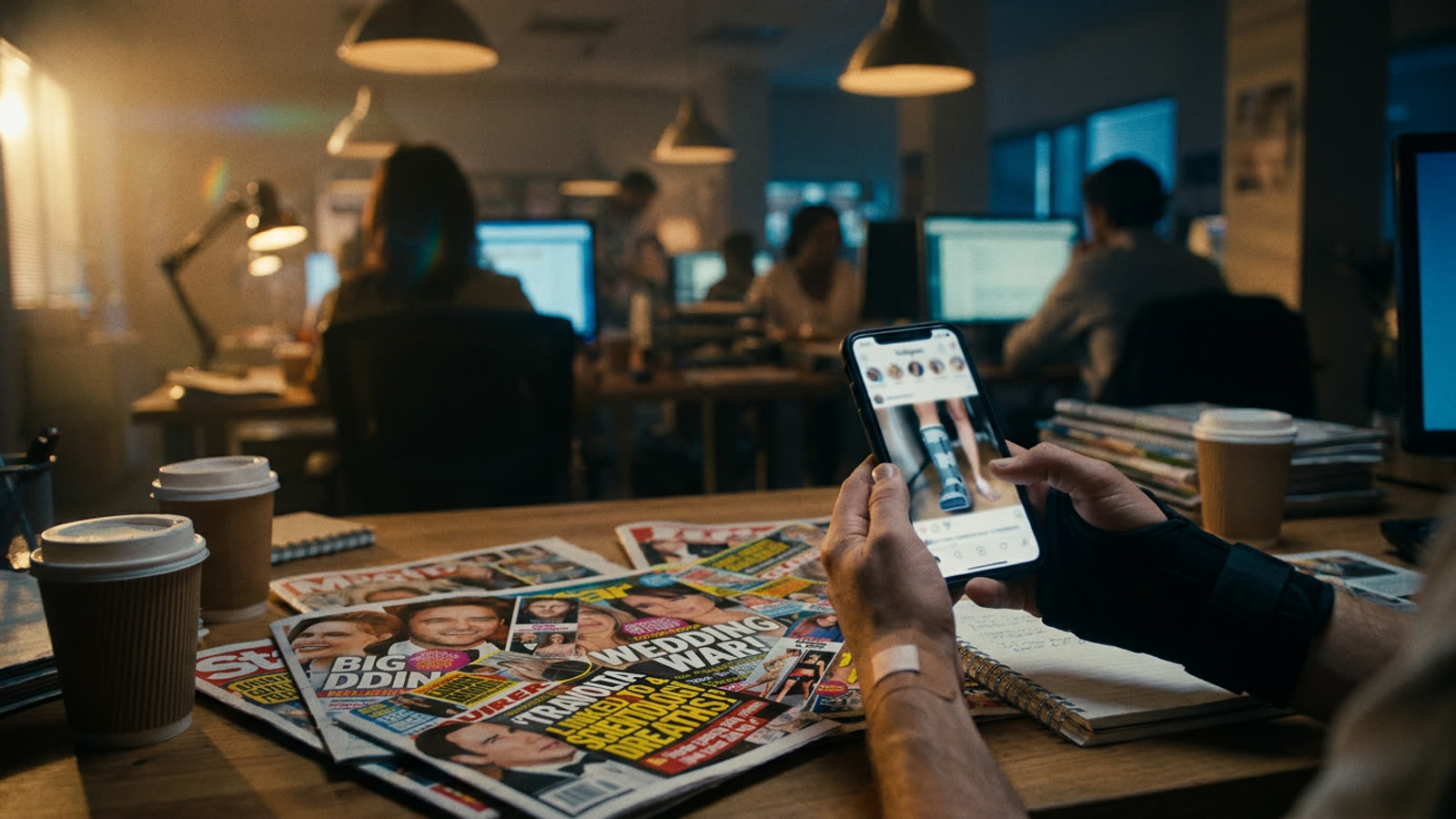
The shift began gradually, then accelerated. Social media gave celebrities direct channels to frame their injuries before tabloids could speculate wildly. A well-timed Instagram story showing a wrapped ankle with a self-deprecating caption accomplishes what publicists once spent days managing: it controls the narrative while generating engagement.
The numbers support the strategy. Posts featuring visible injuries or recovery content consistently outperform standard promotional material. Audiences respond to vulnerability, even the highly curated kind. A celebrity in a walking boot is somehow more relatable than one in stilettos, even when both are heading to the same exclusive restaurant.
The speculation machine
Of course, not every celebrity injury comes with a tidy explanation, and the gaps create their own content opportunities. Tabloid guessing games about the origins of mysterious marks have become a reliable traffic driver, spawning comment section debates that can sustain engagement for days.
The dynamic creates a peculiar incentive structure. Unexplained injuries generate more attention than explained ones. A celebrity who immediately clarifies that a black eye came from a tennis ball accident gets one news cycle; one who says nothing gets a week of speculation.
Our take
There's something faintly absurd about an entertainment culture so starved for authentic moments that it has turned minor physical mishaps into appointment viewing. Yet here we are, collectively invested in which famous person bumped into what, and what it might mean about their relationship, their sobriety, their state of mind. The celebrity injury has become the perfect content: intimate enough to feel revealing, mundane enough to be relatable, and ambiguous enough to sustain endless interpretation. The bruise, it turns out, is the new blue check—a mark of realness in an industry built on illusion.