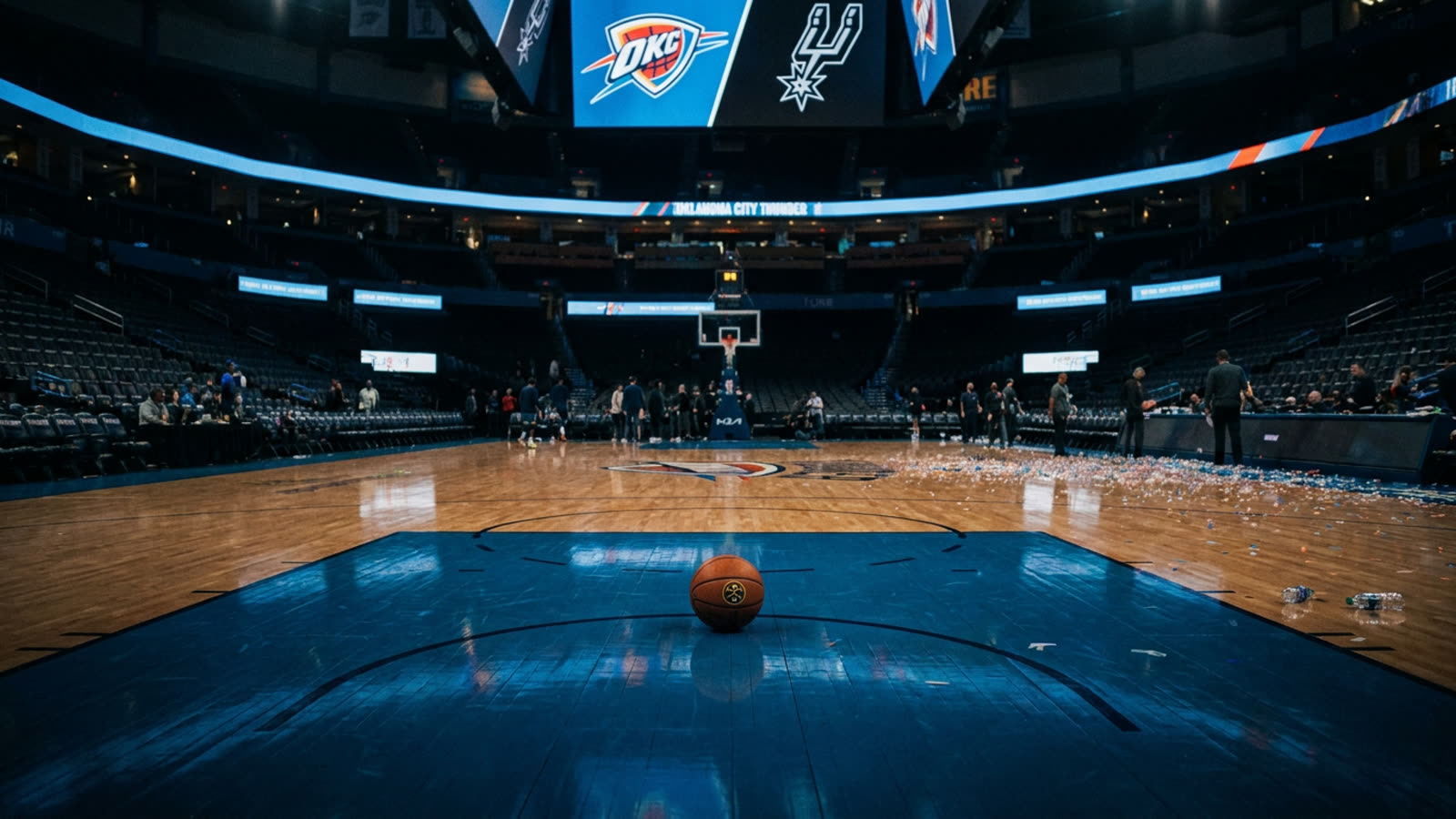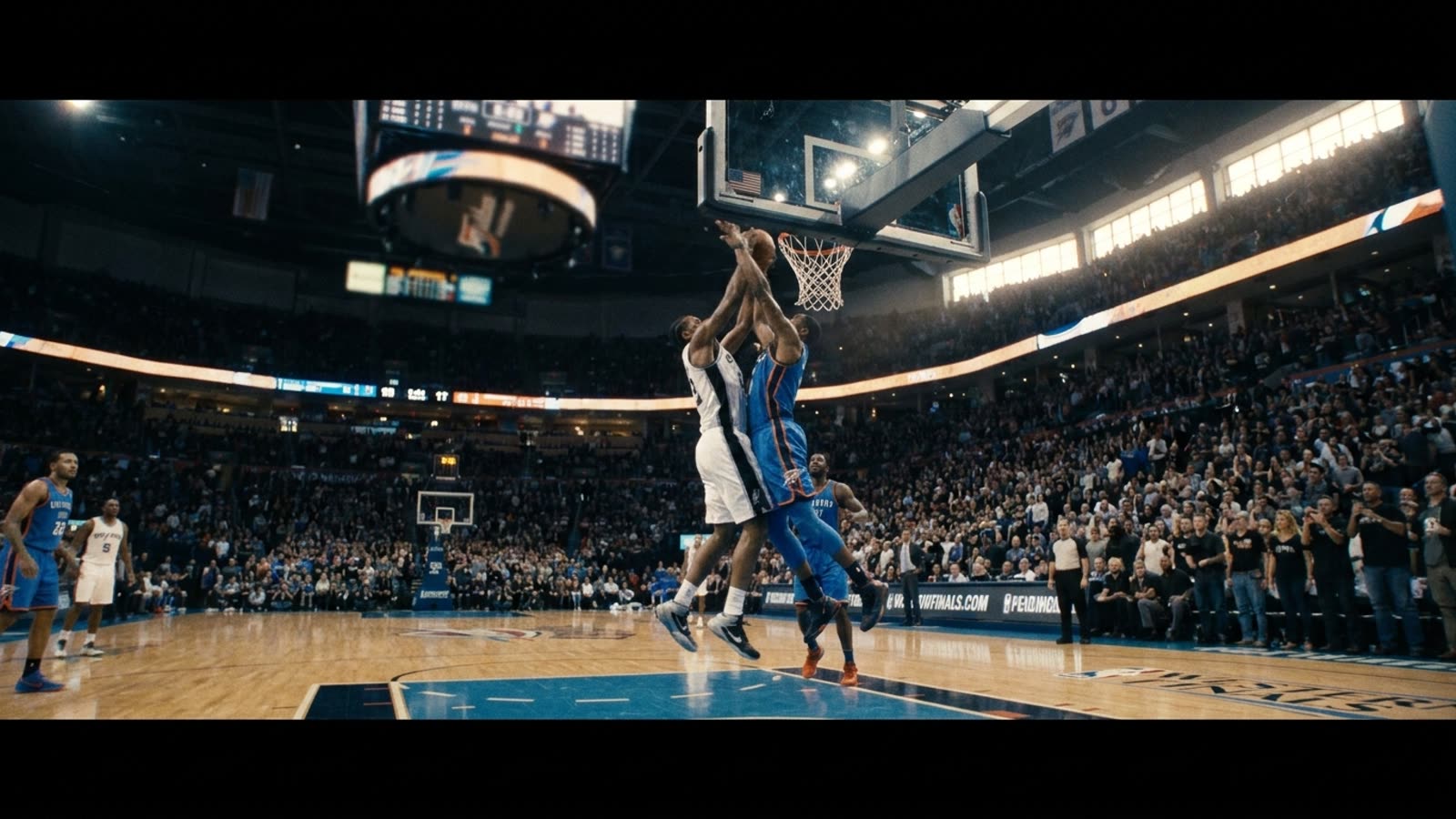
The NBA spent a decade waiting for its next great rivalry, and it may have arrived in the most fitting venue possible: two small-market franchises built through patience, draft capital, and organizational discipline, now colliding in a Western Conference Finals that has already exceeded its billing.
Game Two between the San Antonio Spurs and Oklahoma City Thunder unfolded Friday night as a referendum on two competing visions of modern basketball supremacy. The Spurs jumped out hot, their motion offense humming with the kind of geometric beauty that Gregg Popovich once trademarked and his successors have faithfully preserved. Victor Wembanyama, the 7-foot-4 alien who has spent three seasons systematically dismantling every defensive scheme thrown at him, was everywhere—contesting shots at the rim, initiating offense from the high post, existing as both floor general and rim protector in ways that still seem like a video-game glitch.
The Thunder's answer
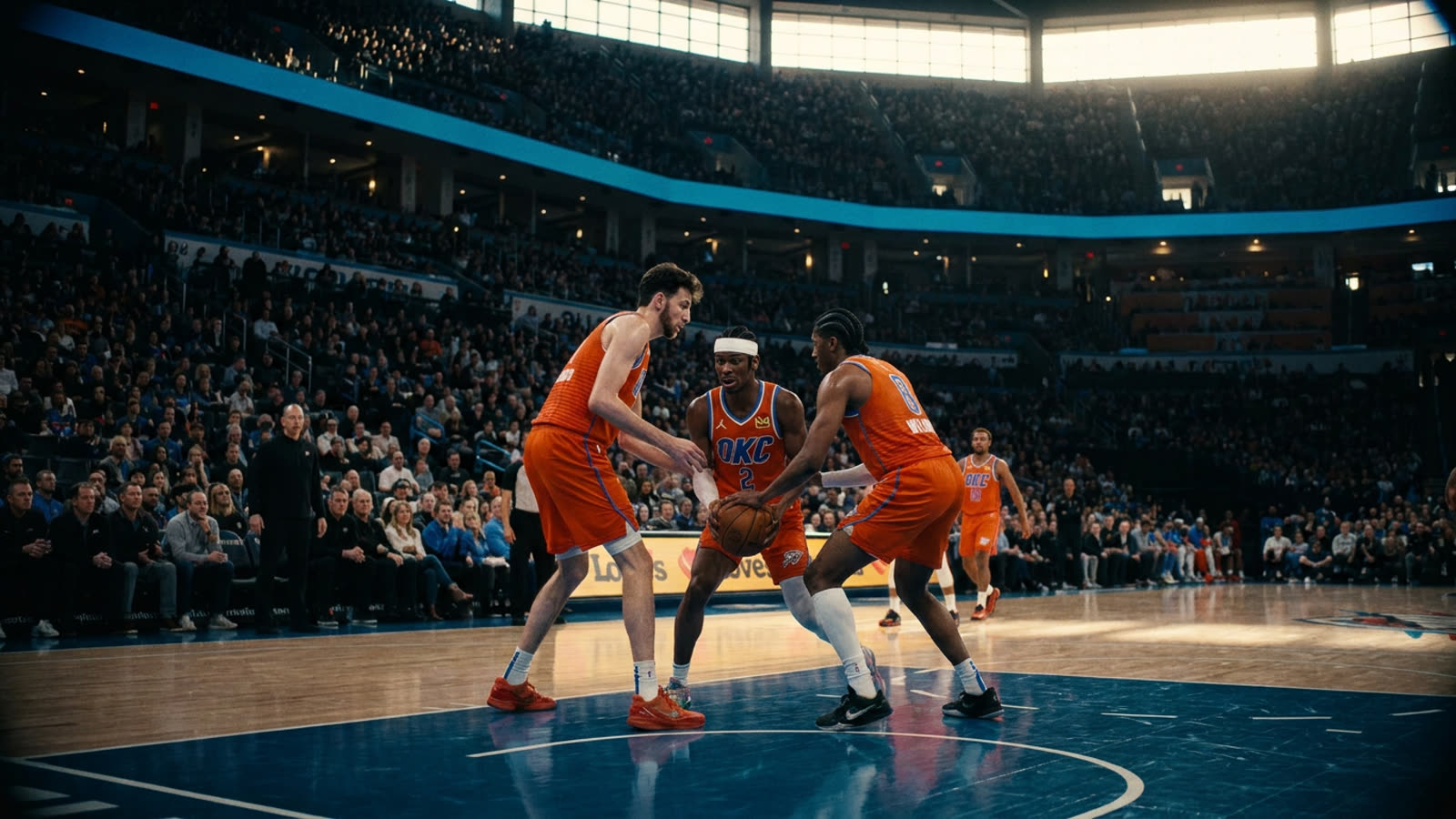
Oklahoma City, for its part, refused to wilt. Shai Gilgeous-Alexander, the silky Canadian guard who has quietly assembled one of the most complete offensive portfolios in the league, orchestrated a Thunder response that closed the gap and turned what looked like a Spurs blowout into a genuine knife fight. The Thunder's depth—a product of Sam Presti's legendary asset accumulation—kept cycling in fresh legs and capable shooters, testing San Antonio's rotations.
What makes this series compelling isn't just the talent on display; it's the organizational symmetry. Both franchises tanked intelligently, drafted brilliantly, and developed patiently. Neither relocated to a coastal metropolis or sold their soul to a superstar's preferred destination. They built, and now they're reaping.
The stakes beyond the scoreboard
For the NBA's broader narrative, this matchup is a gift. The league has spent years fretting about competitive balance, superteam fatigue, and the perception that only a handful of destinations matter. Here are two teams in Texas and Oklahoma proving that competence and patience can still win. The television ratings will tell one story; the quality of basketball will tell another.
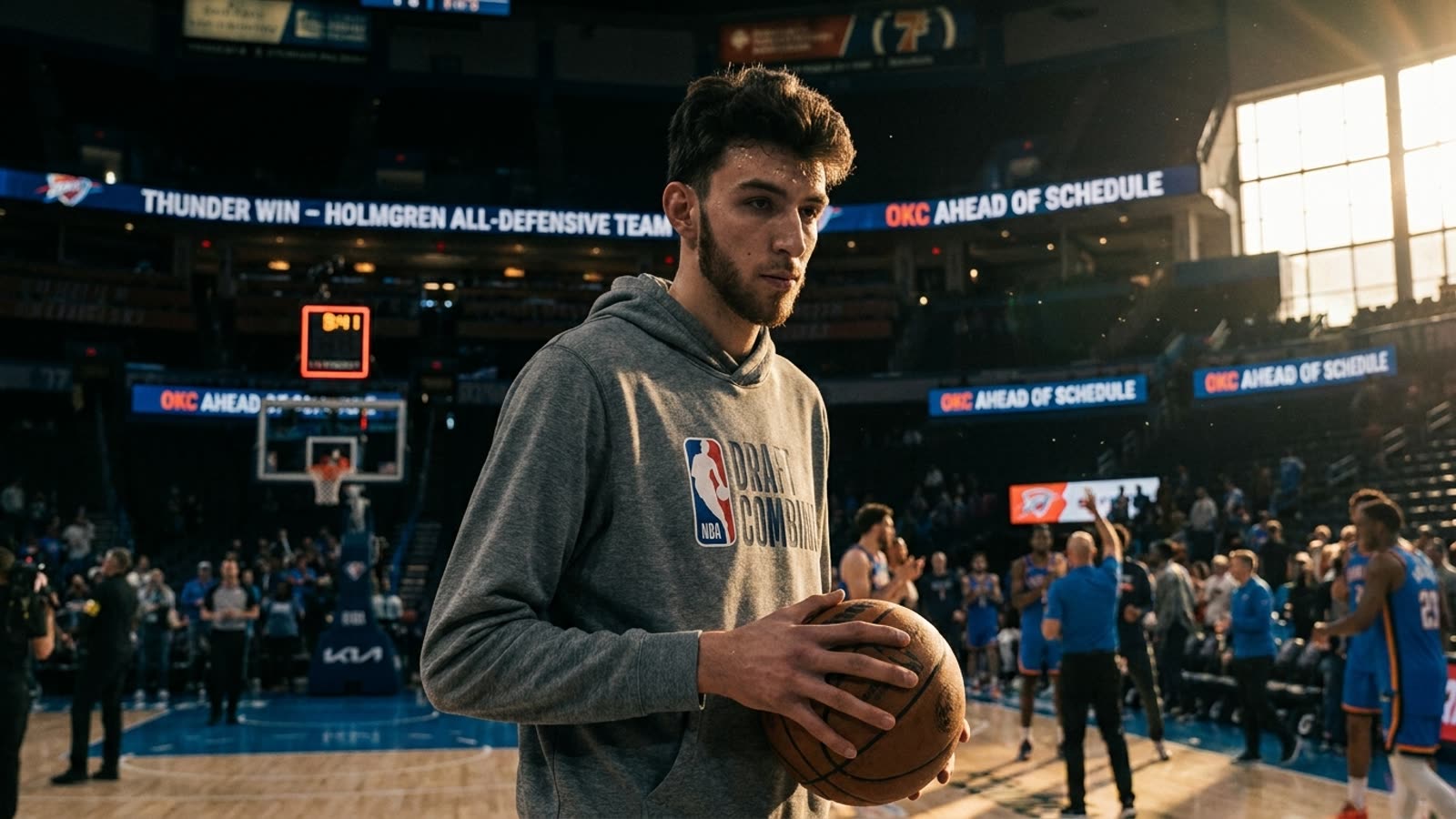
Wembanyama versus the Thunder's suffocating defensive scheme—anchored by Chet Holmgren, fresh off his All-Defensive Team selection—is the kind of chess match that rewards attentive viewing. Every possession contains multitudes.
Our take
This is what the NBA should look like: two organizations that did things the hard way, now fighting for a Finals berth with homegrown stars who actually want to be there. If the league's future runs through San Antonio and Oklahoma City rather than Los Angeles and Brooklyn, that's not a problem—it's a correction. Game Two is already a classic. The series may become a landmark.