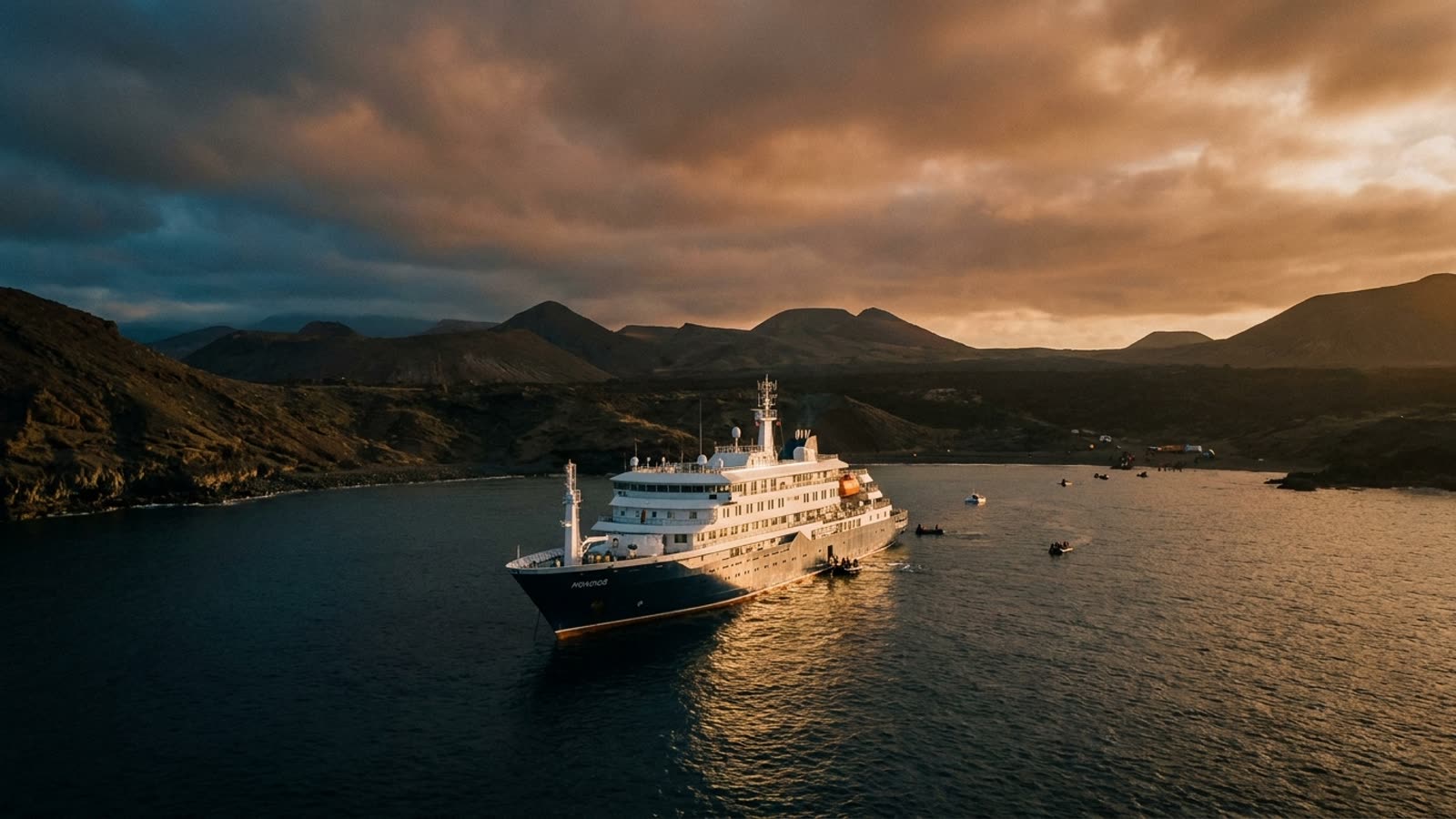
When the MV Hondius set sail for Antarctic waters, its passengers expected penguins, glaciers, and the kind of bucket-list isolation that makes expedition cruises so appealing to a certain adventurous demographic. What they got instead was a different kind of isolation entirely: a viral outbreak, three deaths, and a slow journey back to civilization under the watchful eye of international health authorities.
The vessel anchored off Tenerife on Sunday, and Spanish officials have begun the painstaking process of disembarking passengers—a task expected to stretch through Monday evening. It is a logistical and epidemiological puzzle: how do you safely empty a ship that has become, in effect, a floating hot zone?
The virus in question
Hantavirus is not the stuff of typical cruise-ship nightmares. Unlike norovirus, the gastrointestinal menace that periodically sweeps through buffet lines and cabin corridors, hantaviruses are primarily transmitted through contact with infected rodents or their droppings. Human-to-human transmission is rare but not unheard of, particularly with certain South American strains. The exact circumstances of the Hondius outbreak remain under investigation, but the presence of a rodent-borne pathogen on an expedition vessel raises uncomfortable questions about sanitation protocols in remote environments.
Three passengers have died. Several others remain infected. The demographics of expedition cruising—often older, affluent travelers seeking off-the-beaten-path experiences—may have contributed to the severity of outcomes, as hantavirus pulmonary syndrome is particularly dangerous for those with compromised immune systems or underlying health conditions.
Spain's response
Spanish authorities are treating the evacuation as a controlled operation rather than an emergency scramble. Passengers are being disembarked in phases, with Spanish nationals going first. Health screenings, quarantine arrangements, and contact tracing are all in motion. The Canary Islands, a Spanish archipelago off the northwest coast of Africa, have experience managing cruise-related health incidents, though nothing quite like this.
The broader cruise industry will be watching closely. After the reputational battering the sector took during the early Covid-19 pandemic—remember the Diamond Princess?—any outbreak that results in deaths and quarantines is a public-relations catastrophe waiting to metastasize. Expedition cruising, which markets itself on exclusivity and access to pristine environments, is particularly vulnerable to narratives about inadequate hygiene or oversight.
Our take
There is something grimly ironic about paying a premium to escape civilization only to find yourself trapped on a ship while governments decide your fate. The Hondius incident is a reminder that adventure travel carries risks beyond the obvious ones, and that the infrastructure supporting these experiences is only as robust as its weakest link. For the families of the three who died, this is a tragedy. For the industry, it is a test case in crisis management. For the rest of us, it is a prompt to read the fine print before booking that once-in-a-lifetime voyage.