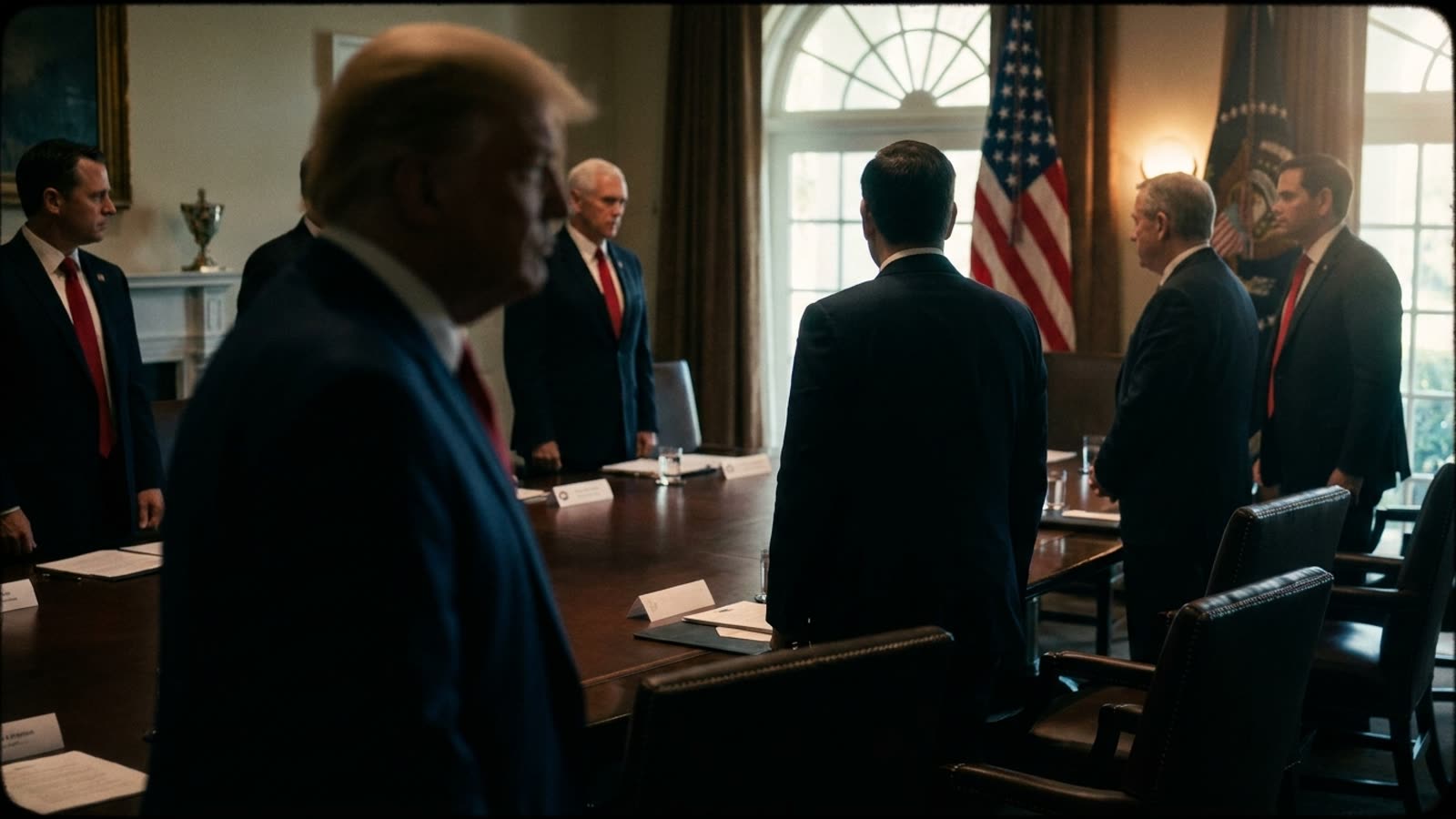
The Republican Party's internal enforcement mechanism is working exactly as designed, and the evidence is piling up in primary graveyards across red America.
Senators who voiced even mild criticism of Donald Trump during his second term are discovering that their voters have long memories and short patience. The pattern has become unmistakable: express reservations about a presidential action, watch a Trump-endorsed challenger materialize, lose by double digits. The survivors in the caucus are not slow learners.
The arithmetic of silence
With midterms less than six months away, the calculus facing Republican senators has shifted from "how much criticism can I get away with" to "how quickly can I align." The primary losses have not been close calls requiring post-mortem analysis; they have been decisive rejections that leave no room for interpretive ambiguity.
What makes the current moment distinct from previous episodes of party discipline is the completeness of the capitulation. Previous Republican presidents faced Senate resistance on specific policy matters—George W. Bush on immigration, Trump himself on certain judicial nominees during his first term. The 2026 vintage of Senate Republicans has learned that even process objections carry mortal risk.
The institutional consequences
The Senate was designed as the slower, more deliberative chamber, theoretically insulated from momentary passions by six-year terms and staggered elections. That insulation assumed senators would prioritize institutional prerogatives over party loyalty at least occasionally.
The current dynamic inverts this assumption. Senators facing primaries in 2026 and 2028 are watching their colleagues fall and concluding that the only safe position is enthusiastic alignment. This produces a feedback loop: as fewer senators dissent, dissent itself becomes more conspicuous and therefore more dangerous.
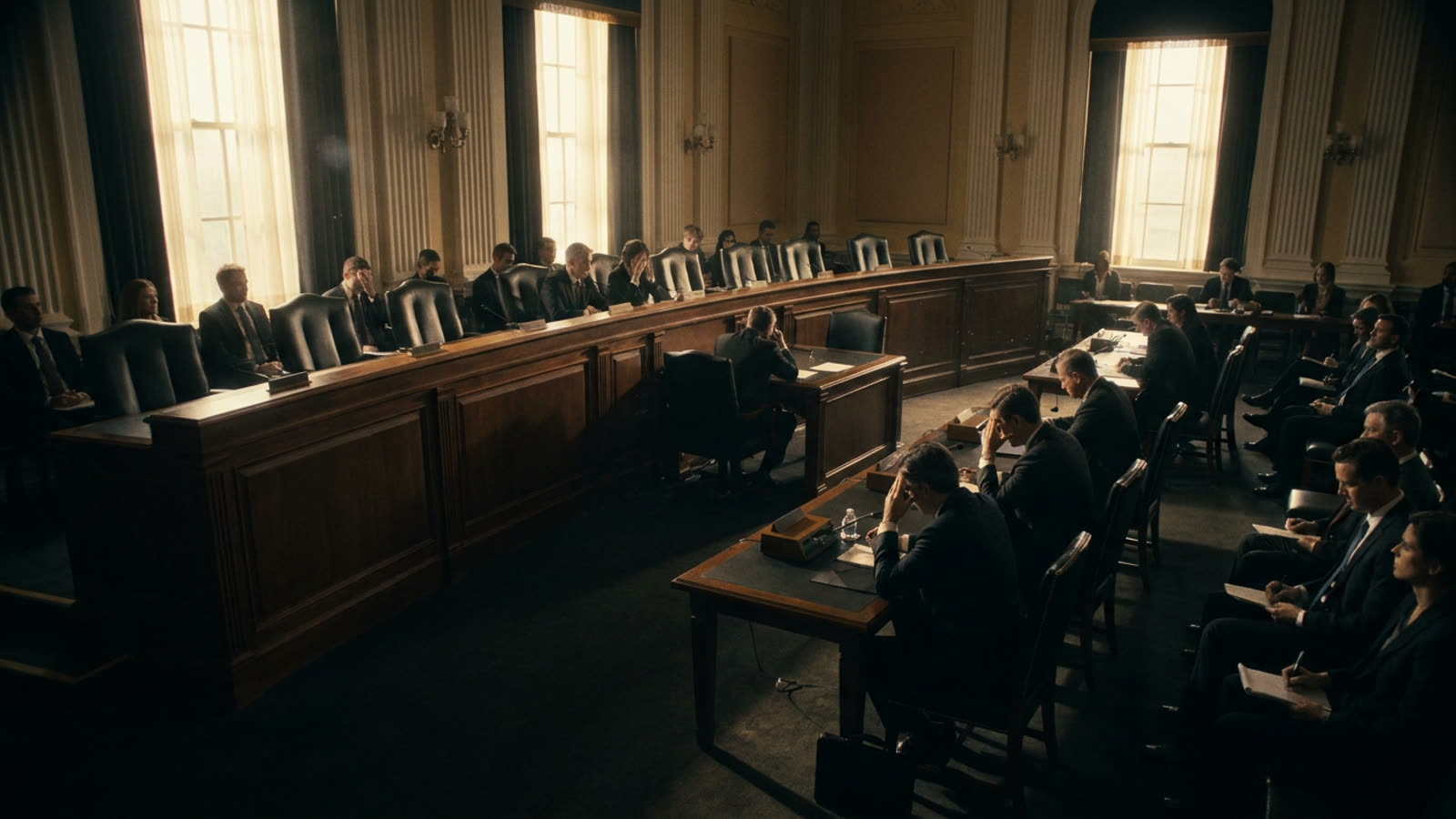
The practical effect on legislation and oversight is already visible. Committee hearings that might once have featured pointed questions from Republican members now proceed with the gentle rhythm of a confirmation ceremony. Subpoena authority gathers dust.
Our take
Calling these senators "cowards" misses the point. They are rational actors responding to incentives their voters have made explicit. The interesting question is not why individual senators capitulate—that part is obvious—but whether a legislative chamber can perform its constitutional function when one party's members face existential risk for exercising independent judgment. The Founders assumed ambition would counteract ambition. They did not anticipate a primary electorate that punishes ambition directed anywhere but upward toward the executive.