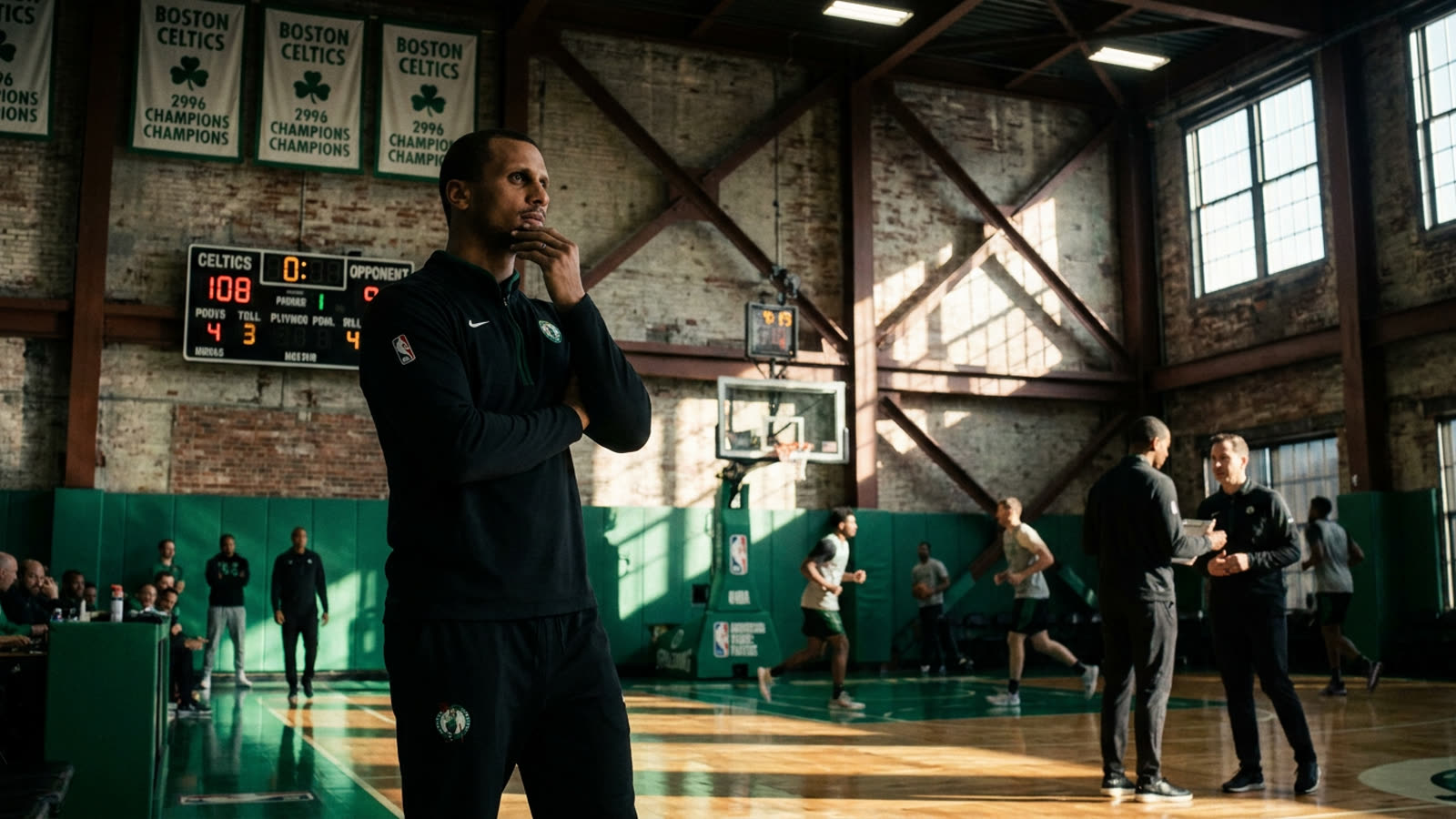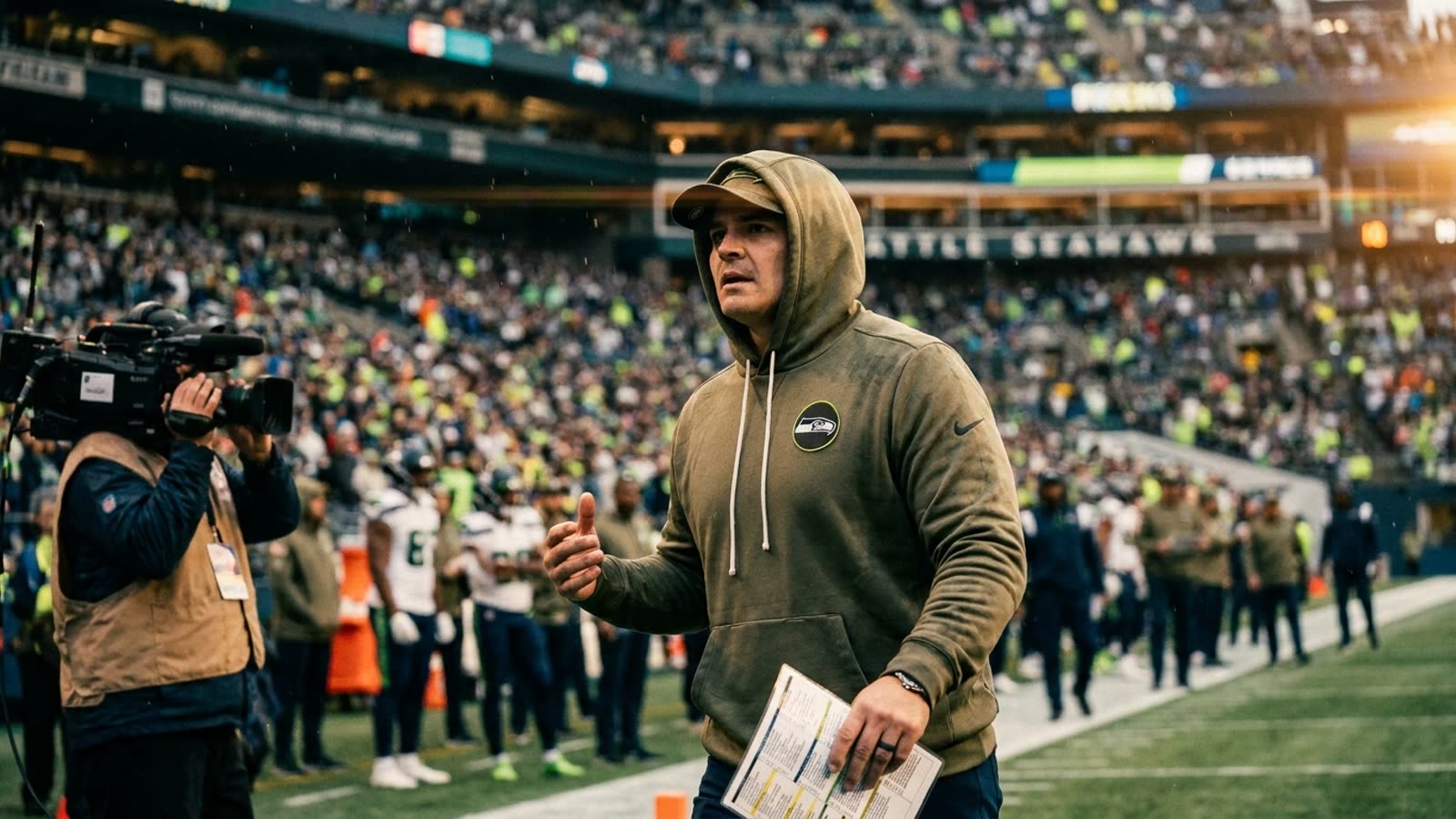
Mike Macdonald's phrase is deliberately vague, which is precisely the point. When the Seattle Seahawks' head coach tells reporters he wants to "run it forward" this season, he's not unveiling a scheme—he's burying one. The Pete Carroll era's defining tension, that maddening oscillation between wanting to establish the run and needing to let Russell Wilson cook, has haunted the franchise even after both men departed. Macdonald appears ready to stop relitigating that argument entirely.
The Seahawks have spent three years in offensive purgatory. Geno Smith's unexpected 2022 renaissance gave way to regression, which gave way to a quarterback carousel that satisfied no one. Seattle's rushing attack has finished in the bottom third of the league in each of the past two seasons, yet the team kept drafting as if it intended to pound the ball. The cognitive dissonance was exhausting for everyone involved, coaches and fans alike.
A defensive mind's offensive gambit
Macdonald made his name as Baltimore's defensive coordinator, orchestrating one of the league's most aggressive pressure schemes. His hiring was supposed to fix Seattle's defense, which it largely has. But the more interesting development has been his willingness to cede offensive philosophy to his coordinators while establishing a meta-identity that transcends play-calling. "Run it forward" isn't about handoffs per se—it's about aggression, about taking what the defense gives rather than forcing a predetermined identity.
This represents a meaningful departure from the Carroll doctrine, which treated the running game as almost theological. Carroll believed you established the run to set up play-action; Macdonald seems to believe you take whatever yards are available and don't apologize for it. The distinction sounds semantic until you watch the tape.
The roster finally matches the rhetoric
Seattle's offseason moves suggest the front office is aligned with Macdonald's vision. The team added receiving weapons without overpaying for a marquee back, invested in offensive line depth, and—crucially—declined to mortgage draft capital for a veteran quarterback. The message is clear: the Seahawks will win with scheme flexibility rather than star power, with depth rather than top-heavy talent.
Whether this works depends entirely on execution. The NFC West remains a gauntlet, and San Francisco's championship window hasn't closed. But at minimum, Seattle has a coherent theory of the case for the first time since Wilson's departure. That alone represents progress.
Our take
Macdonald's vagueness is a feature, not a bug. The Seahawks spent years trapped by their own mythology, convinced they needed to be a certain kind of team because that's what worked a decade ago. "Run it forward" is permission to be something new. Whether that something is good remains to be seen, but the franchise finally seems ready to find out.