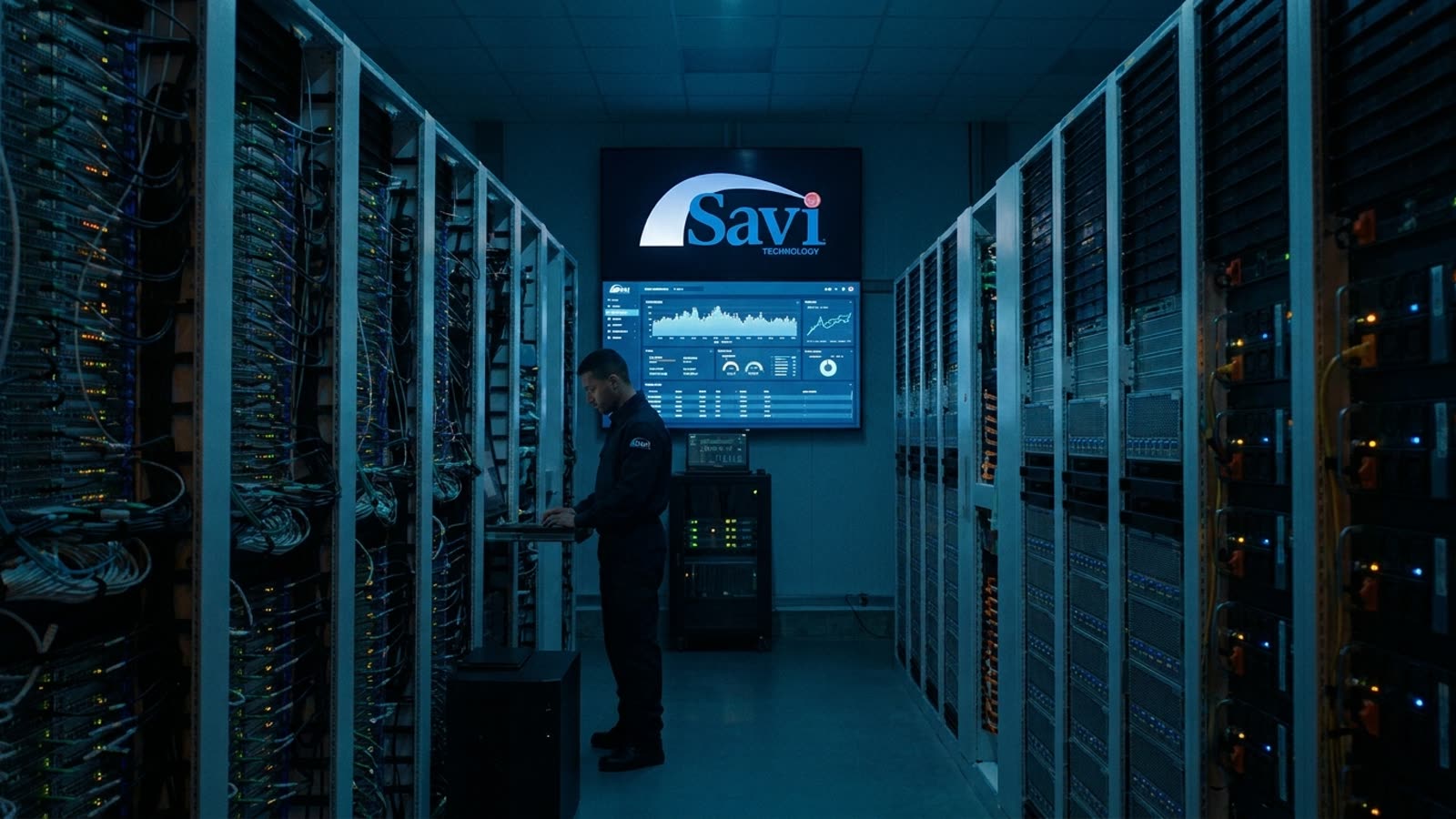
The threat model for ordinary families now includes their children's voices being cloned from a TikTok video and used to demand ransom. Savi, a startup emerging from stealth this week, is building consumer-facing tools to authenticate voices in real-time—a product category that did not exist three years ago because the underlying crime did not exist three years ago.
The company's pitch is straightforward: its app creates a voice "fingerprint" for family members, then analyzes incoming calls to flag synthetic audio. When a panicked parent receives a call from someone who sounds exactly like their teenager claiming to have been kidnapped, Savi promises to interject with a probability score. The technology addresses what the FBI has called one of the fastest-growing fraud categories in the United States, with synthetic voice scams increasing by several hundred percent since 2023.
The economics of synthetic extortion
Voice cloning has become trivially cheap. Services offering realistic voice synthesis from seconds of sample audio are available for under twenty dollars monthly. Criminals need only scrape a target's social media—a graduation speech, a podcast appearance, a birthday video—to generate convincing synthetic audio. The scam works because it exploits the gap between what parents hear (their child's voice, terrified) and what they can verify (nothing, in the moment).
Savi's founders argue that traditional fraud prevention infrastructure was built for a world where impersonation required skill. The new reality is that impersonation requires only a credit card and an internet connection. Their product attempts to shift verification from institutions back to individuals, which is either empowering or a damning admission that institutions cannot keep pace.
The verification arms race
The deeper question Savi's existence raises is whether consumer-level authentication can outrun consumer-level synthesis. Voice cloning models improve monthly; detection models must improve faster merely to maintain parity. The company claims proprietary advantages in detecting artifacts that current synthesis models leave behind, but this is a moving target. Every detection breakthrough becomes training data for the next generation of synthesis tools.
There is also the adoption problem. Savi's protection only works if families onboard before the crisis call arrives. Convincing people to fingerprint their voices against a threat they have not yet experienced is a marketing challenge that may prove harder than the technical one.
Our take
Savi is a symptom dressed as a cure. The product may work—voice authentication is technically feasible—but its existence confirms that we have collectively failed to govern synthetic media at the source. We are now asking consumers to purchase defensive tools against an attack vector that emerged from poorly regulated AI services. The startup deserves credit for addressing a real harm, but the fact that "AI kidnapping scam protection" is a viable consumer category should alarm everyone who believed the industry's self-governance promises.