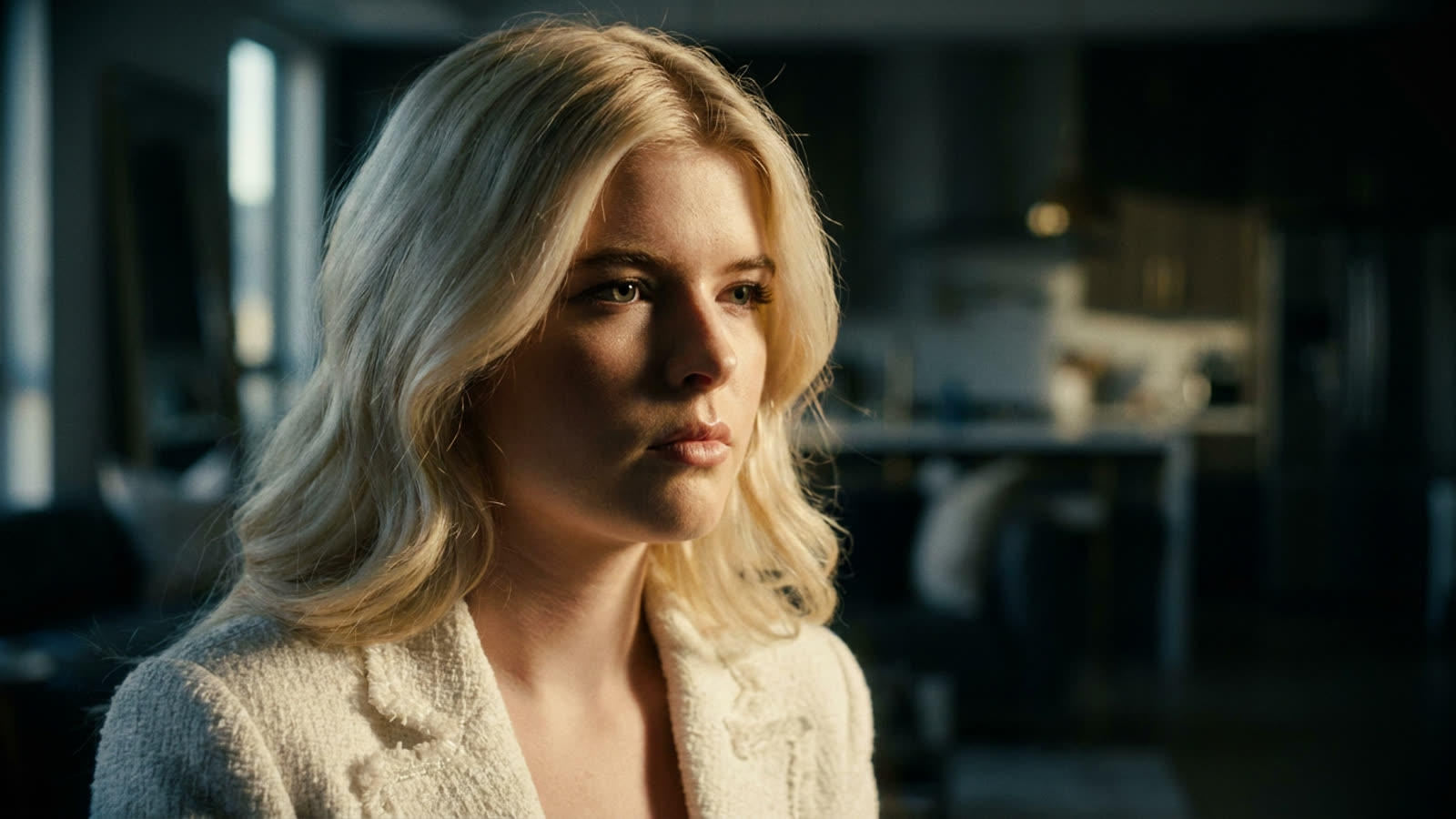
The before-and-after Instagram post that Sami Sheen uploaded this week was, on its surface, the least surprising content imaginable from a Gen-Z influencer with famous parents and an OnlyFans account. What made it notable was the caption: a breezy expression of gratitude — to God, no less — for the plastic surgery that reshaped her face. No euphemisms about "a little work," no defensive preemptive strikes against critics, no pretense that genetics alone delivered the transformation. Just acknowledgment, delivered with the same casual tone one might use to thank a colorist for a good balayage.
This is not how Hollywood has historically handled the cosmetic-enhancement conversation.
The old playbook
For decades, the unwritten rule among celebrities was simple: deny everything, admit nothing, attribute all improvements to sleep, water, and a positive attitude. Courtney Cox's face changed; she blamed lighting. Renée Zellweger disappeared and returned looking like a different person; she cited "living a happy life." The Kardashian-Jenner clan — arguably the most surgically enhanced family in entertainment history — spent years insisting that contouring and puberty explained their evolving bone structures. Kylie Jenner famously denied lip fillers for months before finally admitting to them in 2015, and even then framed the confession as reluctant.
The denial served a purpose. It maintained the illusion that celebrity beauty was aspirational but theoretically attainable through discipline and good skincare. Admitting to surgery meant admitting to cheating, and cheating meant the fantasy collapsed.
The transparency generation
Sami Sheen, daughter of Charlie Sheen and Denise Richards, operates under no such constraints. At 21, she has already built a personal brand predicated on showing rather than concealing — her OnlyFans career being the most obvious example, but her social media presence generally trading in a kind of aggressive authenticity that her parents' generation would find bewildering. The plastic surgery post fits this pattern. Why pretend? Everyone can see the old photos. Everyone knows what procedures cost and what they accomplish. The lie serves no one.
This tracks with broader Gen-Z attitudes toward cosmetic enhancement. A 2024 survey by the American Society of Plastic Surgeons found that patients under 30 were significantly more likely than older cohorts to discuss their procedures openly on social media. The stigma has not vanished entirely, but it has migrated: the shame now attaches less to having work done than to lying about it.
The God part
The religious framing in Sheen's caption — thanking God for plastic surgery — reads as either cheeky irony or genuine spiritual gratitude, and the ambiguity is probably intentional. But it also gestures at something real: for a generation raised on body positivity discourse that often curdled into its own form of pressure, cosmetic surgery can feel like permission. Permission to want something different, to purchase it, and to be unbothered by the transaction. If God gave humans the intelligence to develop rhinoplasty, the logic goes, why not express gratitude for the results?
It is a theology of convenience, but it is also a theology of honesty.
Our take
Sami Sheen is not a major celebrity, and her Instagram post will not reshape the beauty industry. But she is a useful barometer. The daughter of two tabloid fixtures from the denial era has chosen a different path — not because she is braver than her parents, but because the cultural cost-benefit analysis has changed. Lying about plastic surgery now reads as more embarrassing than admitting to it. That is a small revolution, and it happened while no one was paying attention.