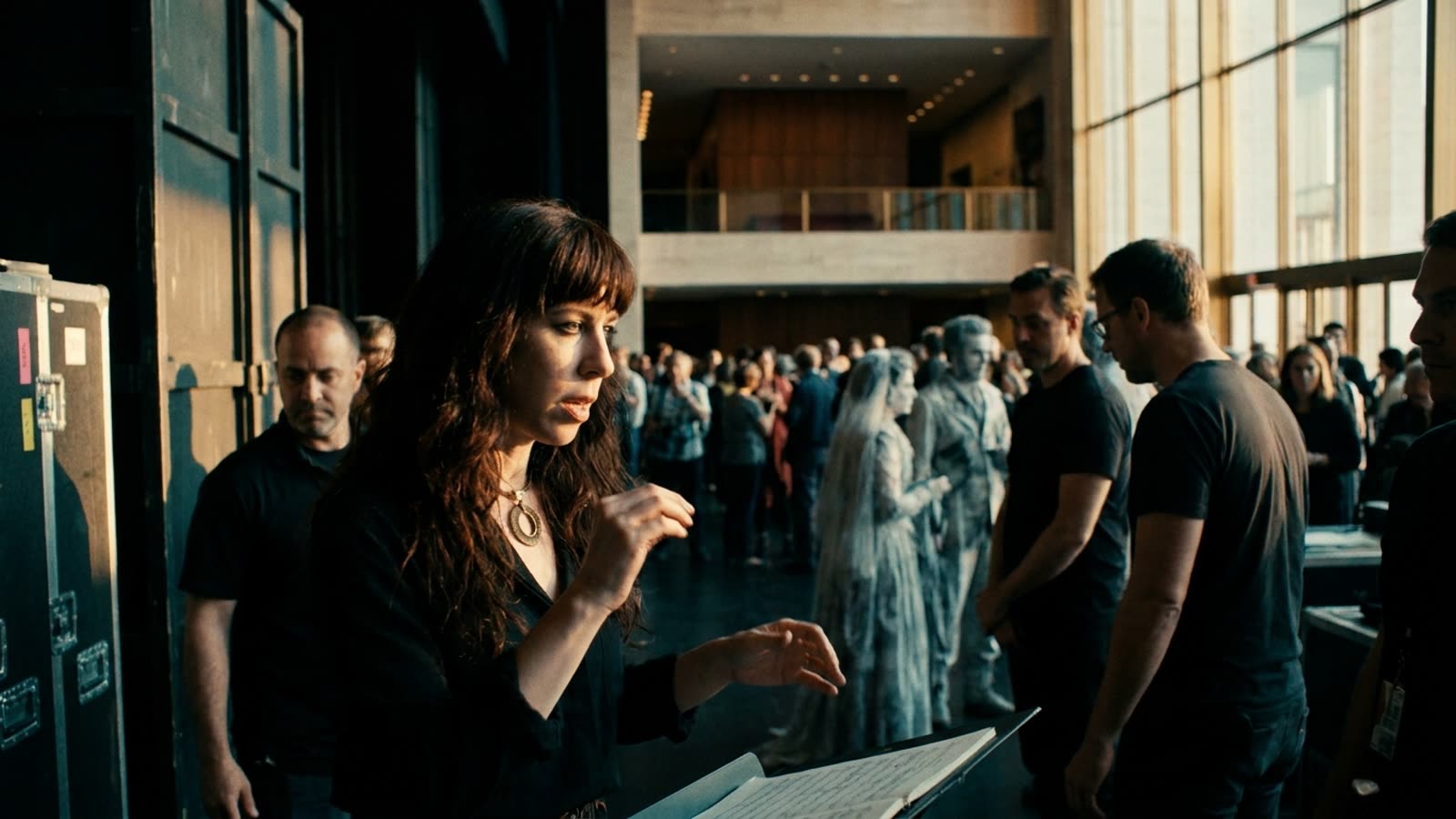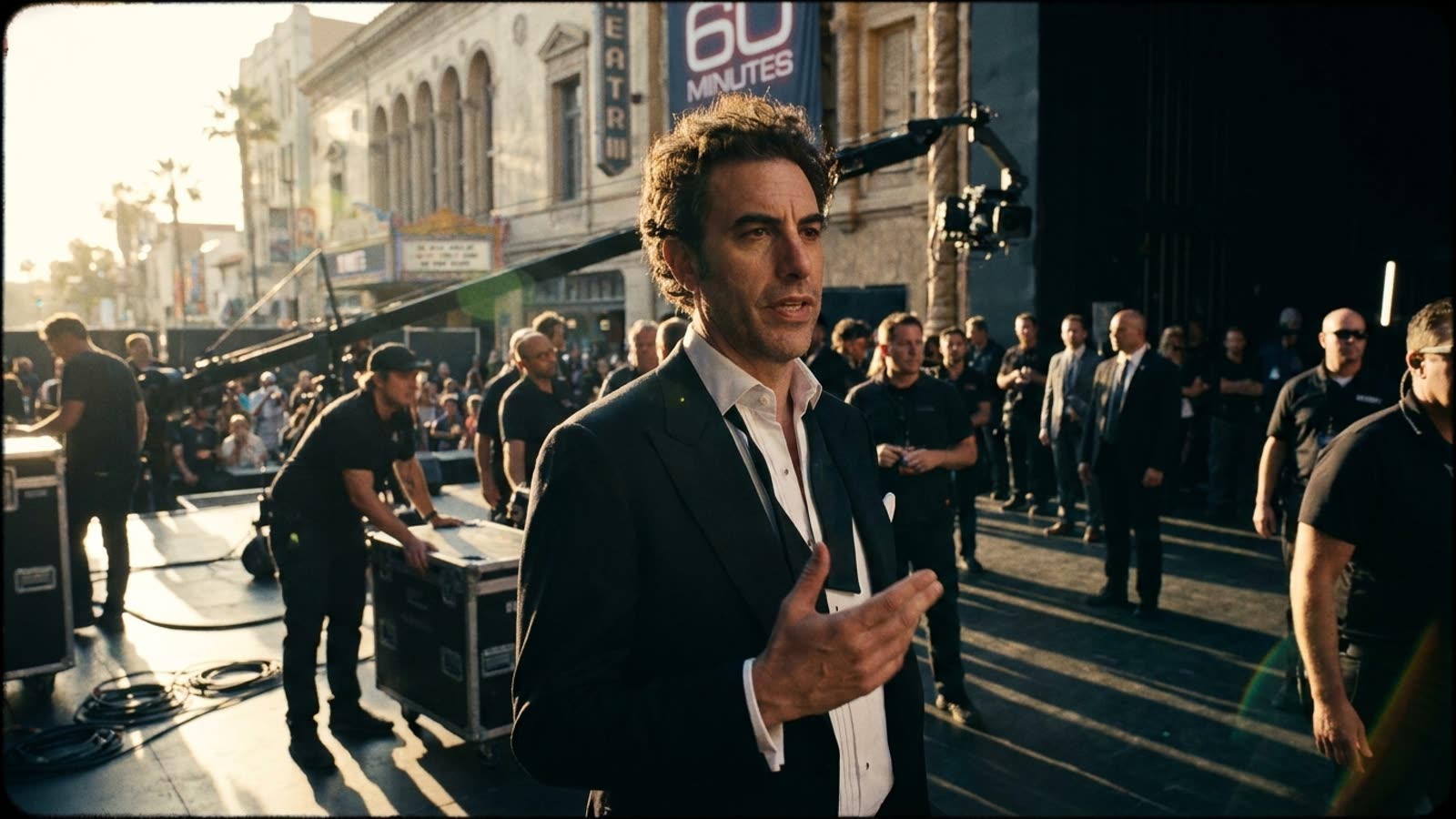
There is something almost perverse about Sacha Baron Cohen choosing this moment to bring back Ali G, the character that made him famous nearly three decades ago. The fictional Staines gangster who interviewed genuine politicians and academics while they squirmed in confusion was, in retrospect, a gentler form of ambush than what Cohen would later perfect with Borat and Bruno. But in 2026, when the line between satire and reality has been so thoroughly obliterated that actual politicians now speak in what sounds like parody, Ali G feels less like nostalgia and more like an archaeological dig.
CBS's announcement that 60 Minutes will profile Cohen this Sunday, days before the October 23 premiere of Ali G: Who Iz I?, confirms the comedian is being positioned not as a legacy act but as a cultural commentator whose methods have aged into something resembling journalism.
The long game of discomfort
Cohen has always understood that comedy's power lies in its capacity to reveal what people actually think when they believe they're in safe company. His genius was never the funny voice or the absurd costume—it was the silence he created, the pause in which his marks would fill the void with their own prejudices. Ali G's interviews from the early 2000s now play like time capsules of a certain strain of British condescension, politicians and pundits who couldn't quite believe they were being asked to explain themselves to someone who appeared so obviously beneath them.
The new film reportedly updates this dynamic for an era in which everyone is perpetually on guard against going viral for the wrong reasons. Whether Cohen can still find marks willing to expose themselves when everyone has been trained to assume any interaction might be a trap remains the central question.
Why 60 Minutes, why now
The choice of 60 Minutes as the platform for Cohen's re-emergence is itself a statement. The program represents exactly the kind of institutional seriousness that Ali G was designed to puncture—and yet here is Cohen, submitting to a straightforward profile rather than hijacking the format. It suggests a performer who has, perhaps, mellowed into a phase where he wants to be understood rather than merely witnessed.
Or it's misdirection. With Cohen, the safest assumption is that the obvious interpretation is wrong.
Our take
Cohen's return feels both inevitable and risky. The comedian built his career on the premise that people would reveal their worst selves if given the right costume to hide behind. But in an age when everyone performs constantly and authentically terrible opinions are broadcast without disguise, the question isn't whether Cohen can still trick people—it's whether the trick still means anything. We suspect he's thought about this longer than anyone, and that the Ali G revival will be less about recapturing old magic than interrogating why we ever found it magical in the first place.