Russell Wilson's departure from the NFL isn't a surprise—it's a confirmation. The quarterback who once seemed destined for Canton has instead chosen the broadcast booth, joining CBS as an analyst after a career that peaked a decade ago and spent its final chapters searching for a graceful exit.
Wilson, 37, leaves the league with one Super Bowl ring, nine Pro Bowl selections, and a statistical profile that will generate Hall of Fame debate for years. But his legacy is more complicated than his numbers suggest. The Seattle years were brilliant; everything after was an extended epilogue.
The arc of diminishing returns
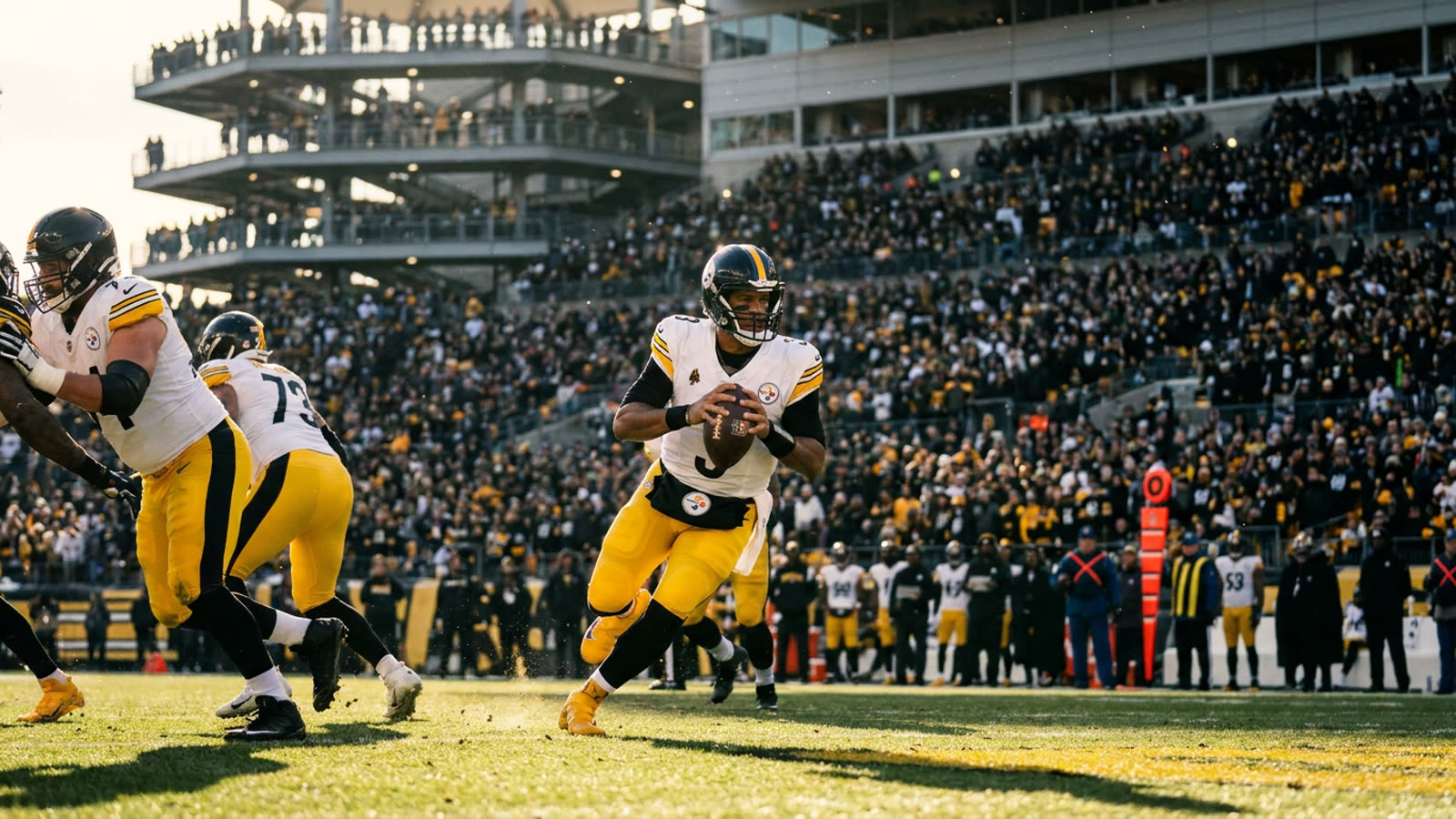
Wilson's 2024 trade to Denver was supposed to revive both parties. Instead, it produced two middling seasons, a benching controversy, and the kind of contract restructuring that signals organizational regret. His brief Pittsburgh tenure last year offered flashes of the old magic—enough to justify one more offseason of speculation—but the arm strength that once made him the NFL's most dangerous deep-ball thrower had clearly faded.
The decision to retire now, rather than chase a backup role somewhere, suggests Wilson understands something many aging quarterbacks refuse to accept: the difference between playing and competing. CBS gets a polished communicator with genuine football intelligence. Wilson gets to define his exit rather than have it defined for him.
A generation heads for the exits
Wilson joins a crowded class of 2010s-era quarterbacks who've recently transitioned out of playing. The league's quarterback landscape has shifted dramatically in the past three years, with a new generation—Stroud, Richardson, Young—now carrying the position's future. Wilson's retirement underscores how completely the guard has changed.
The broadcast path is well-worn for quarterbacks of Wilson's profile: famous enough to draw viewers, articulate enough to fill airtime, and recent enough to offer genuine tactical insight. Whether Wilson can translate his relentless positivity into compelling television remains to be seen. The best analysts have edge; Wilson has always preferred polish.
Our take
Wilson's career deserves more respect than it will likely receive. The Seattle years were genuinely special—a undersized quarterback proving the position could be played differently, winning a championship while earning a fraction of what his peers made. The Denver and Pittsburgh chapters were disappointing, but they shouldn't overshadow what came before. The broadcast booth is the right landing spot for a player who always seemed more comfortable with a microphone than with criticism. CBS is betting that America still likes Russell Wilson. They're probably right.