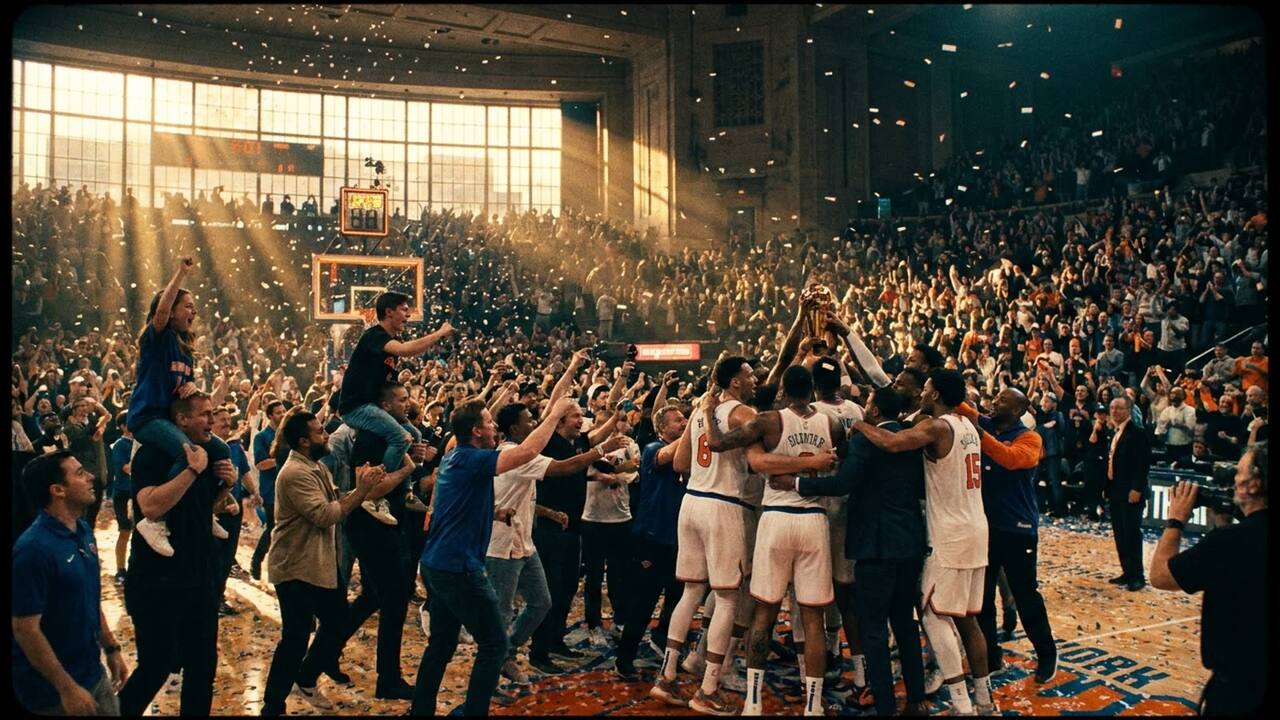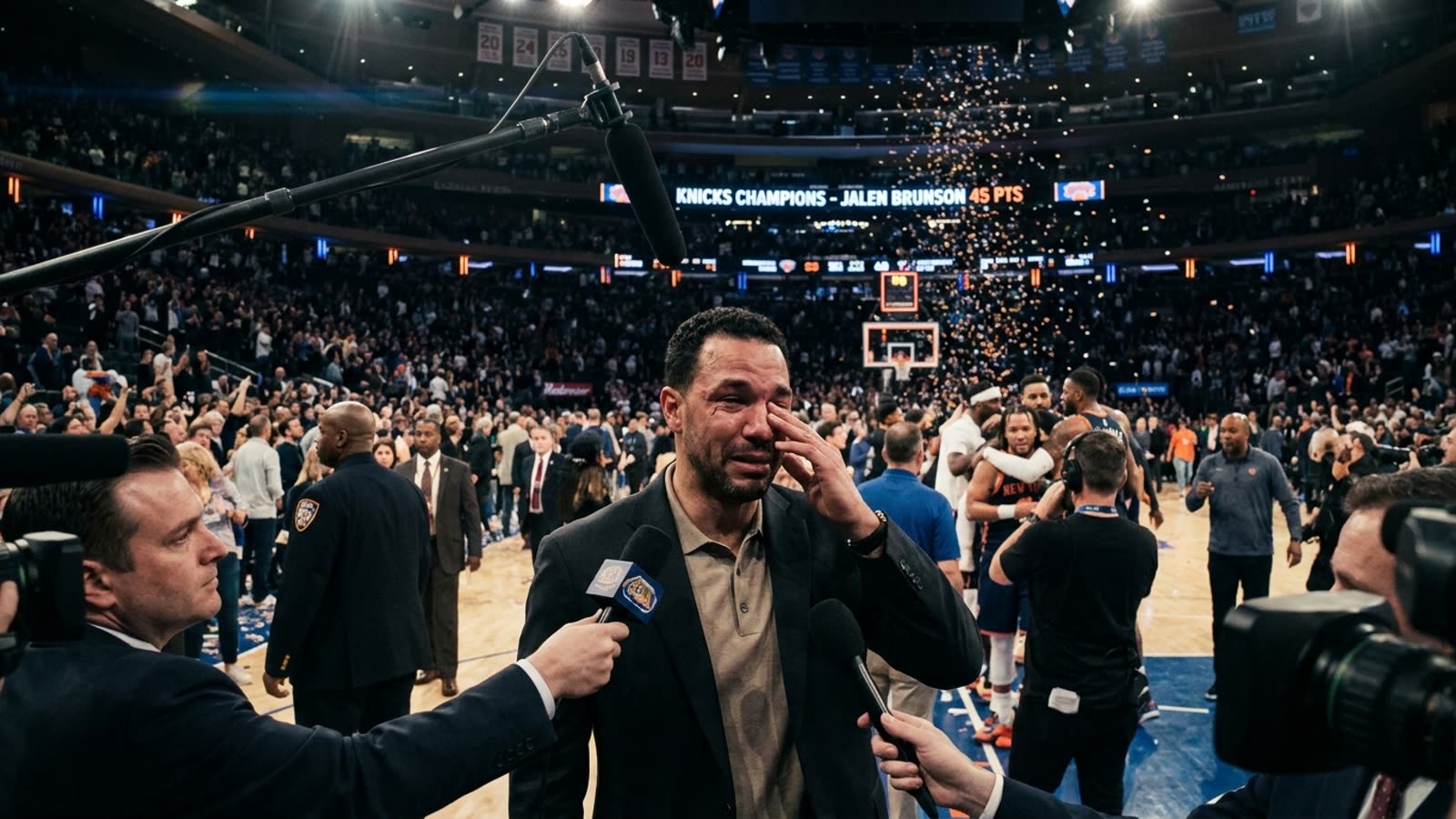
When Rick Brunson appeared on Inside The NBA hours after his son Jalen dropped 45 points to clinch the Knicks' first championship in 53 years, the former journeyman guard did something he rarely managed in his own playing career: he commanded the room. Not with athleticism or statistics, but with the quiet authority of a man watching his life's work vindicated in Madison Square Garden.
The interview was brief, but it contained a thesis that explains the Brunson phenomenon better than any scouting report. Asked what made him proudest, Rick didn't cite the points or the trophy. He spoke about process—the hours in empty gyms, the film sessions that began when Jalen was barely tall enough to see over the dashboard on drives to AAU tournaments.
A journeyman's education
Rick Brunson played for nine NBA teams across eight seasons, never averaging more than 4.4 points per game, never starting more than 11 games in a season. He was the human embodiment of the league's brutal meritocracy: talented enough to stick around, never quite talented enough to matter. But journeymen see everything. They study rotations from the end of the bench, learn what separates stars from role players, absorb the thousand small habits that determine who survives.
That education became Jalen's inheritance. The younger Brunson entered the league without elite measurables—undersized, not explosively athletic, lacking the highlight-reel game that generates buzz. What he possessed instead was a preternatural understanding of angles, timing, and leverage that typically takes a decade to develop. His father had already done the decade for him.
The championship as vindication
The Knicks' title run has been framed as New York's redemption, as the end of a half-century drought, as a triumph for mid-range basketball in a three-point era. All true. But the Rick Brunson interview added another dimension: this championship is also the completion of a generational project.
Professional sports are littered with fathers who pushed too hard, who projected their failures onto their children, who confused their own ambitions with their kids' wellbeing. The Brunsons appear to have threaded the needle. Jalen has spoken repeatedly about his father's influence without resentment, crediting Rick's coaching without the complicated undertones that often accompany such relationships.
The 45-point closeout performance—a career high in the highest-stakes game of Jalen's life—was the final proof of concept. Everything Rick taught, everything he learned from those years on the margins, produced a champion.
Our take
The NBA loves its dynasties and its superstars, but the Brunson story is something rarer: a testament to the compounding value of knowledge transferred across generations. Rick Brunson never won anything in the NBA. His son just won everything. The lesson isn't about genetics or destiny—it's about the underrated power of a journeyman who paid attention.