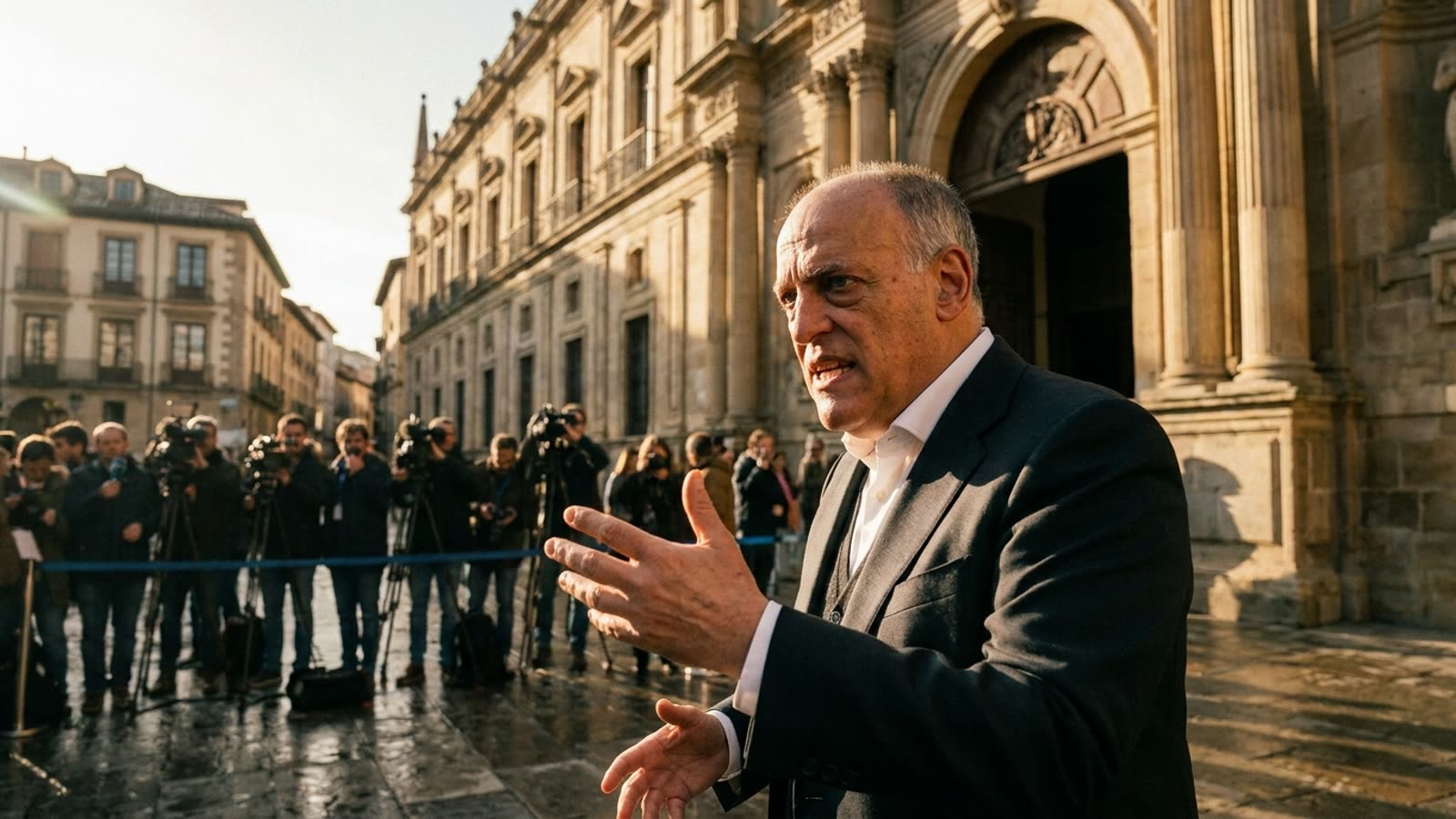
The comparison was as predictable as it was catastrophic. Javier Tebas, the combative president of La Liga, likened Real Madrid's communications strategy to that of Joseph Goebbels, the Nazi propaganda minister responsible for some of history's most systematic deceptions. Within hours, Real Madrid demanded his "immediate resignation," and for once, the club's perpetual grievance machine has a point.
Tebas and Real Madrid have been at war for years. The club opposed La Liga's private equity deal with CVC Capital Partners, sued over broadcasting rights distribution, and has repeatedly accused Tebas of favouring Barcelona. The league president, never one to shy from a microphone, has responded in kind—calling Real Madrid's leadership "liars" and questioning their commitment to Spanish football. But invoking the Third Reich's chief propagandist crosses from rhetorical combat into something darker.
The Goebbels problem
Nazi analogies in football disputes are not merely tasteless; they are strategically idiotic. Tebas's comment, made during a media appearance discussing Real Madrid's public relations tactics, immediately reframed the entire conflict. Whatever legitimate criticisms exist of Florentino Pérez's media operations—and there are many—they now sit beneath the weight of a Holocaust reference. Real Madrid's statement called the remarks "intolerable" and demanded accountability from La Liga's governing bodies. The club is correct that such language has no place in sports administration.
The deeper issue is what this reveals about Tebas's judgment. He has led La Liga since 2013, overseeing genuine modernisation of broadcasting deals and financial controls. But his tenure has been marked by an inability to distinguish between vigorous advocacy and self-destructive provocation. This is a man who once threatened to move El Clásico to Miami over a scheduling dispute.
Institutional fracture
Real Madrid will not get Tebas's resignation, at least not immediately. La Liga's assembly, dominated by smaller clubs who benefit from the current revenue distribution model, has consistently backed him. But the club's legal team is already preparing formal complaints to Spanish football authorities, and the European Club Association—where Real Madrid holds significant influence—may weigh in. The dispute threatens to consume Spanish football's governance at precisely the moment it should be focused on competing with the Premier League's financial dominance.
Barcelona, typically Real Madrid's antagonist in all things, has remained conspicuously silent. The Catalan club has its own fraught relationship with Tebas but recognises that defending Nazi analogies is a losing position. This leaves Tebas isolated in a way he has not been before.
Our take
Tebas should apologise unreservedly and consider whether his continued leadership serves La Liga's interests. He will do neither. The man has built a career on never backing down, and his supporters will frame this as another battle in the eternal war against Real Madrid's hegemony. But there are lines that, once crossed, cannot be uncrossed. Comparing a football club's press office to the architect of Nazi propaganda is not sharp rhetoric; it is the exhausted resort of someone who has run out of legitimate arguments. Real Madrid may be difficult, entitled, and relentlessly self-interested. They are not, however, Nazis. That this needs saying tells you everything about where Spanish football's leadership has arrived.