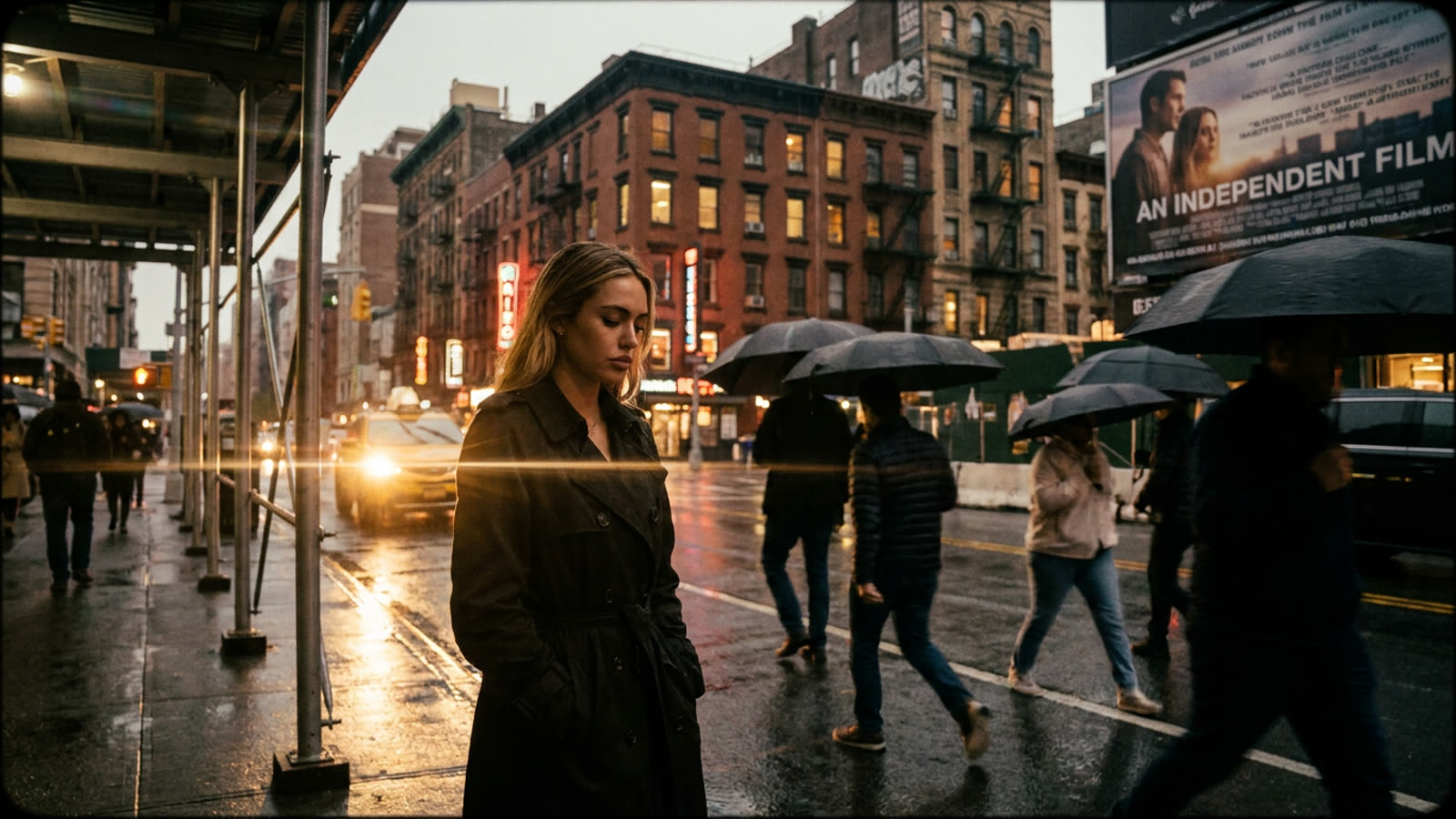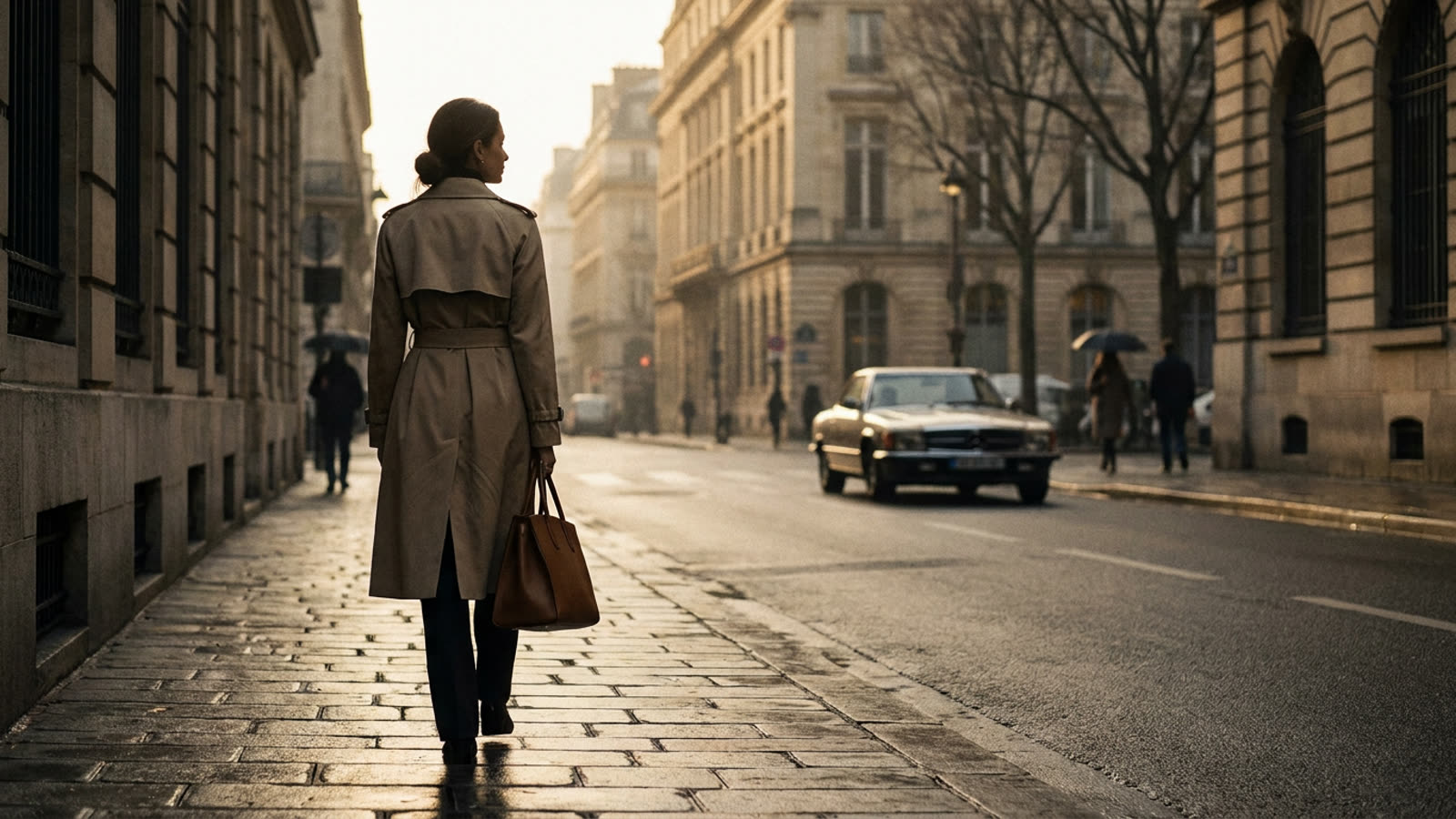
The most expensive thing in the room is often the hardest to identify. A cashmere coat without visible branding. A handbag with no monogram. A watch face so understated it could belong to a philosophy professor or a billionaire—and increasingly, the point is that you cannot tell which.
This is the aesthetic philosophy that industry insiders call "quiet luxury," "stealth wealth," or simply "if you know, you know" dressing. It represents a fundamental inversion of fashion's traditional value proposition: instead of paying for recognition, the new elite pays for invisibility.
The economics of understatement
The business model is counterintuitive but remarkably effective. Houses like Brunello Cucinelli, The Row, and Loro Piana have built empires on garments that communicate wealth only to those already wealthy enough to recognize the signals. A Cucinelli sweater might cost several thousand dollars yet bear no visible indication of its provenance. The value lies entirely in the hand, the drape, the fiber quality—legible only through touch or expertise.
This creates a peculiar market dynamic. Traditional luxury relied on logo visibility as a form of advertising: every Vuitton monogram on a subway was a walking billboard. Quiet luxury inverts this, making customers pay for the privilege of not advertising. The brands save on marketing while charging higher margins, and the customers receive something arguably more valuable than status signaling—plausible deniability.
Why now, why this
The shift reflects broader anxieties about wealth display in an era of pronounced inequality. Flaunting a logo-covered outfit reads differently when economic precarity dominates public discourse. The quietly luxurious dresser sidesteps this tension entirely: their wealth is technically visible but socially illegible. They can move through spaces without triggering the resentments that a Hermès belt buckle might provoke.
There is also a generational component. Younger inheritors of wealth, raised on social media and acutely aware of optics, have developed sophisticated strategies for managing their public presentation. Quiet luxury offers a way to enjoy material privilege while maintaining the aesthetic of meritocratic normalcy. You can wear a coat that cost more than most monthly rents, provided it looks like something a particularly tasteful architect might own.
The limits of subtlety
The trend has its critics and its contradictions. Quiet luxury still requires substantial disposable income—more, often, than its louder counterparts. A logo bag from a mass-market luxury house might cost a fraction of an unbranded one from The Row. The democracy of the logo, whatever its vulgarity, at least made luxury legible across class lines. Stealth wealth is, by design, exclusionary in a more insidious way.
There is also the question of whether quiet luxury can survive its own success. As the aesthetic becomes codified and copied, its signals become readable to wider audiences, defeating the purpose. Fast fashion has already begun producing "quiet luxury" knockoffs—neutral tones, minimal hardware, no visible branding—which may eventually force the truly wealthy to find new modes of distinction.
Our take
Quiet luxury is less a rejection of status display than a refinement of it. The game has simply moved from volume to frequency—from shouting to dog-whistling. Those who dismiss it as more virtuous than logo culture are missing the point: it is precisely as materialistic, merely more self-conscious about the materialism. The cashmere is still cashmere. The price tag is still the price tag. The only thing that has changed is who is meant to see it.