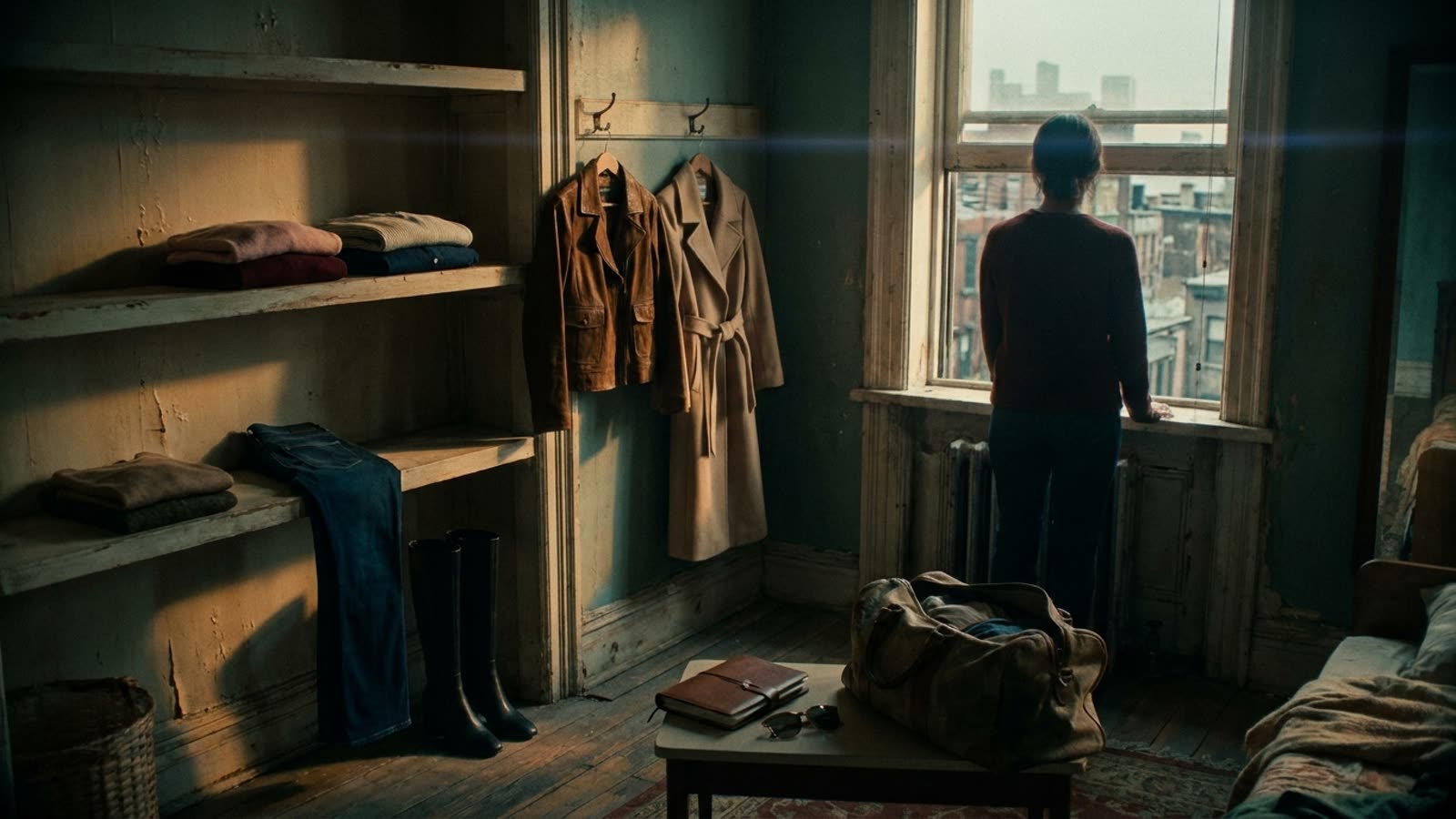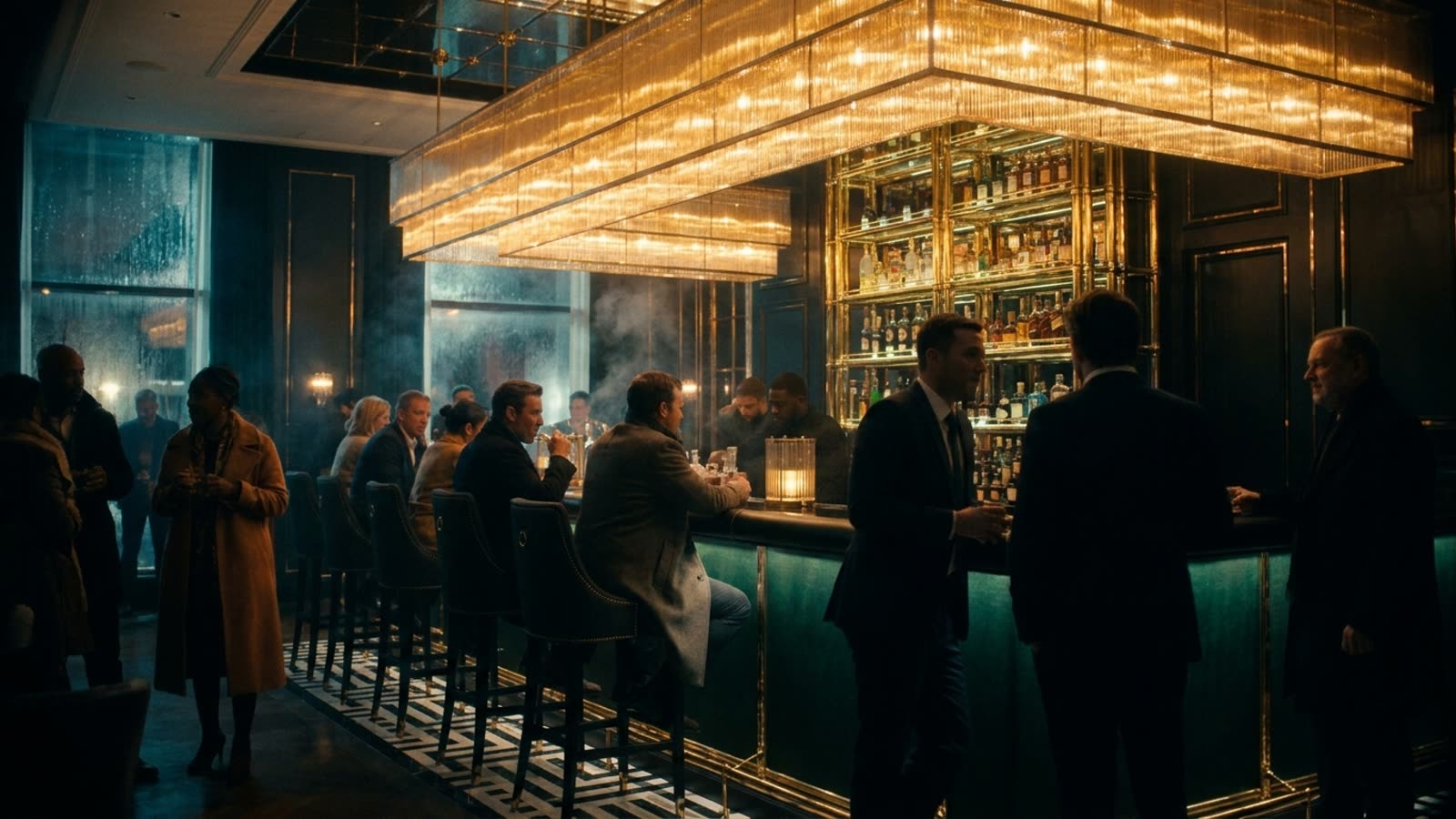
The private members' club is perhaps the purest distillation of a counterintuitive truth about luxury: people will pay extraordinary sums not for what they receive, but for what others are denied.
The model's genius lies in its inversion of normal market logic. Most businesses want more customers. Private clubs want fewer—or at least want you to believe they do. The velvet rope is not an obstacle to profit; it is the product itself. When you pay your annual dues, you are purchasing the pleasant fiction that you belong to a tribe of the interesting, the successful, the culturally fluent. What you are actually buying is relief from the ambient social anxiety of modern professional life.
The Georgian prototype
London's St James's Street invented the template in the eighteenth century. White's, Brooks's, and Boodle's emerged as spaces where aristocrats and politicians could drink, gamble, and conduct business away from the unwashed public. The membership fee was modest; the real barrier was social. You needed to be proposed by existing members, and a single blackball could end your candidacy. This created a self-perpetuating ecosystem of homogeneity that persisted for centuries.
The economics were straightforward: low overhead, captive audience, steady revenue. Members paid for the privilege of drinking with their own kind, and the club provided just enough service to justify the arrangement. The food was famously terrible—deliberately so, some argued, to discourage outsiders from wanting in.
The modern reinvention
The contemporary private club has retained the exclusivity theater while dramatically expanding the amenities. Today's iterations offer co-working spaces, screening rooms, rooftop pools, wellness facilities, and restaurants helmed by name chefs. The proposition has shifted from "drink with your betters" to "live your entire professional and social life within our curated ecosystem."
This expansion serves a dual purpose. It justifies membership fees that can reach several thousand dollars annually, and it increases the touchpoints at which members spend additional money. The club becomes a lifestyle platform, capturing dining budgets, entertainment spending, and even accommodation revenue through reciprocal arrangements with sister properties worldwide.
The target demographic has shifted accordingly. Where Georgian clubs served landed gentry, modern iterations pursue what might be called the creative-adjacent professional class: people who work in or around media, technology, finance, and the arts, and who possess both disposable income and status anxiety in abundance.
The psychology of belonging
The most sophisticated operators understand that they are selling community to people who have lost traditional sources of it. Religious attendance has declined, neighborhood bonds have weakened, and remote work has atomized professional relationships. The private club offers a ready-made social infrastructure for those willing to pay for it.
This explains the emphasis on programming—talks, tastings, film screenings, supper clubs. These events provide structured socializing for people who find unstructured socializing exhausting. You do not need to make conversation from scratch when you are both there for the same speaker. The club manufactures serendipity for those too busy or too awkward to find it organically.
Our take
There is something faintly melancholy about the private members' club boom. It represents the commercialization of friendship, the outsourcing of community to a subscription service. But melancholy and effectiveness are not mutually exclusive. The model works because it addresses a genuine deficit in contemporary life, even if the solution it offers is ultimately transactional. The Georgian aristocrats were buying status; their modern successors are buying belonging. Both, in the end, are paying for the same thing: the reassurance that they are not alone.