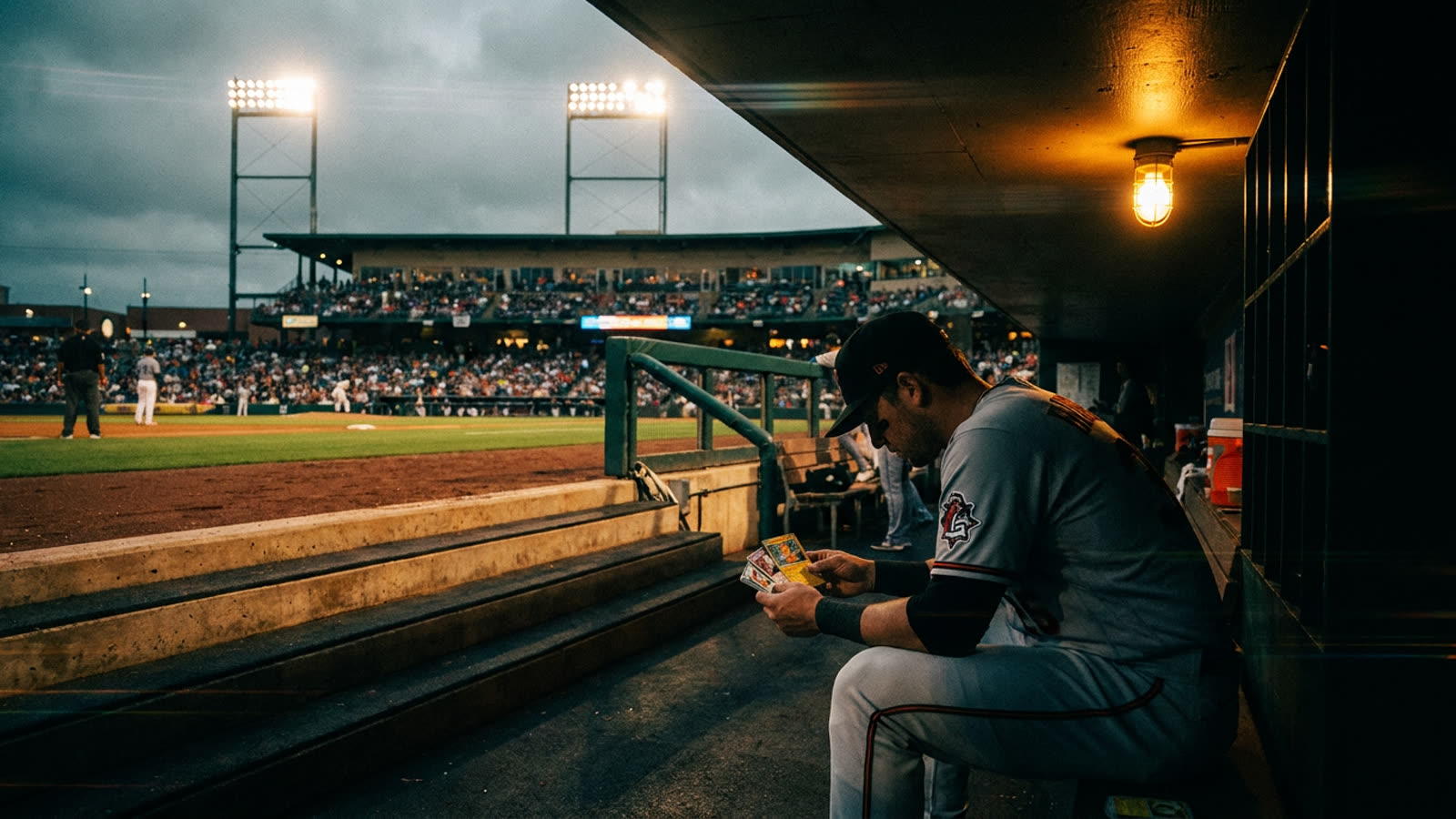
Walk into an MLB clubhouse in 2026 and you might find a scene that would confuse scouts from a generation ago: millionaire athletes hunched over binders, debating the relative merits of a holographic Blastoise versus a first-edition Pikachu. The Pokémon card collecting craze that swept through pandemic-era America has found perhaps its most unexpected institutional home in professional baseball.
The hobby has become so prevalent that multiple teams now have informal trading sessions, with players bringing their collections on road trips and conducting deals in hotel lobbies. Some have invested six figures into their collections. Others treat it as pure nostalgia, a way to reconnect with the version of themselves that existed before signing bonuses and arbitration hearings.
The generational sweet spot
The math makes sense. The median MLB player in 2026 was born around 1997, placing them squarely in the demographic that experienced Pokémon's first American wave as children. These are players who remember trading cards on elementary school playgrounds before the franchise became a multi-billion-dollar empire. The current collecting boom, which saw vintage cards appreciate dramatically during the early 2020s, has given them both the disposable income and the cultural permission to revisit a childhood passion.
What distinguishes the MLB phenomenon from general collector culture is the social dimension. Baseball's grueling 162-game schedule creates vast stretches of downtime—rain delays, travel days, the endless hours between batting practice and first pitch. Card trading fills that void while creating connections across roster spots and salary brackets. A rookie making league minimum can bond with a veteran earning tens of millions over a shared appreciation for a mint-condition Mewtwo.
Investment or escapism
The financial angle cannot be ignored. High-grade vintage Pokémon cards have proven to be legitimate alternative assets, with certain specimens trading for hundreds of thousands of dollars. For athletes whose careers average just over five years, diversification beyond traditional investments holds obvious appeal. Several players have reportedly worked with authentication services to grade and protect their most valuable acquisitions.
But reducing the trend to portfolio management misses something essential. Professional athletes exist in a world of constant evaluation—every swing charted, every pitch measured, every contract negotiated against replacement-level value. Pokémon collecting offers a space where the stakes are entirely self-imposed, where the only metrics that matter are the ones you choose to care about. It is play in the purest sense, which may explain why it resonates so deeply with people whose play has become work.
Our take
There is something quietly reassuring about watching the best baseball players on earth geek out over the same cards that captivated them as children. In an era when athlete brands are carefully curated and every public moment is content, the Pokémon hobby feels genuinely unforced—a reminder that the people we watch perform superhuman feats are also just millennials who grew up on the same cultural diet as the rest of us. If Charizard helps them decompress between innings, who are we to judge?