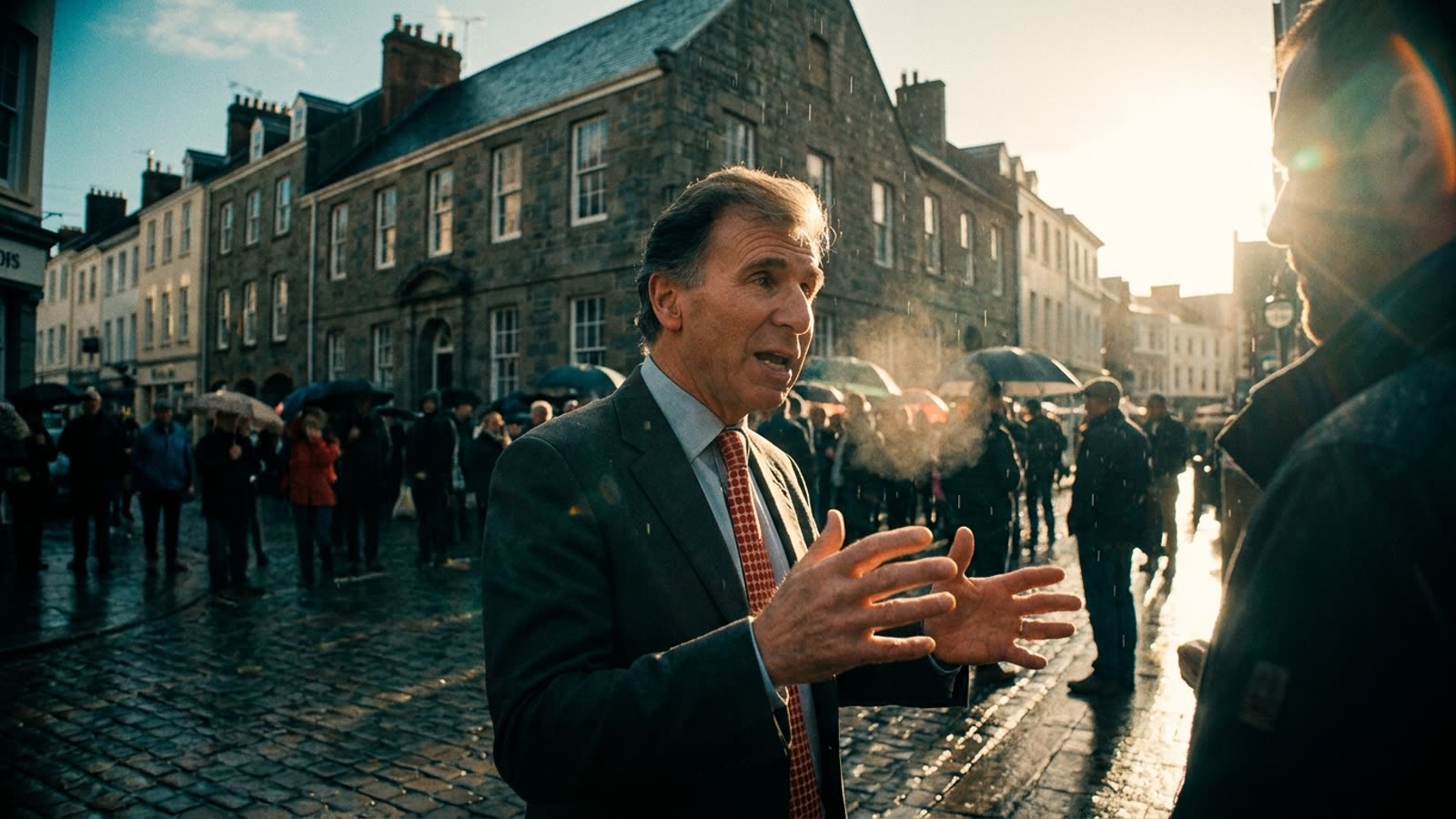
For thirty years, Peter de Putron has done something vanishingly rare in modern finance: he has made an enormous fortune while remaining almost entirely unknown. The Guernsey-based quantitative investor has built a personal wealth estimated north of $9 billion through systematic trading strategies, yet until recently his name appeared in virtually no rich lists, no magazine profiles, no conference keynotes. That era of comfortable obscurity is ending.
The shift is not voluntary. De Putron's investment vehicles have grown so large—and his interests so diversified across European real estate, private credit, and technology stakes—that the gravitational pull of his capital has become impossible to ignore. Counterparties talk. Regulatory filings accumulate. And in an age when offshore jurisdictions face unprecedented transparency demands, even the most disciplined recluse leaves footprints.
The Guernsey advantage, reconsidered
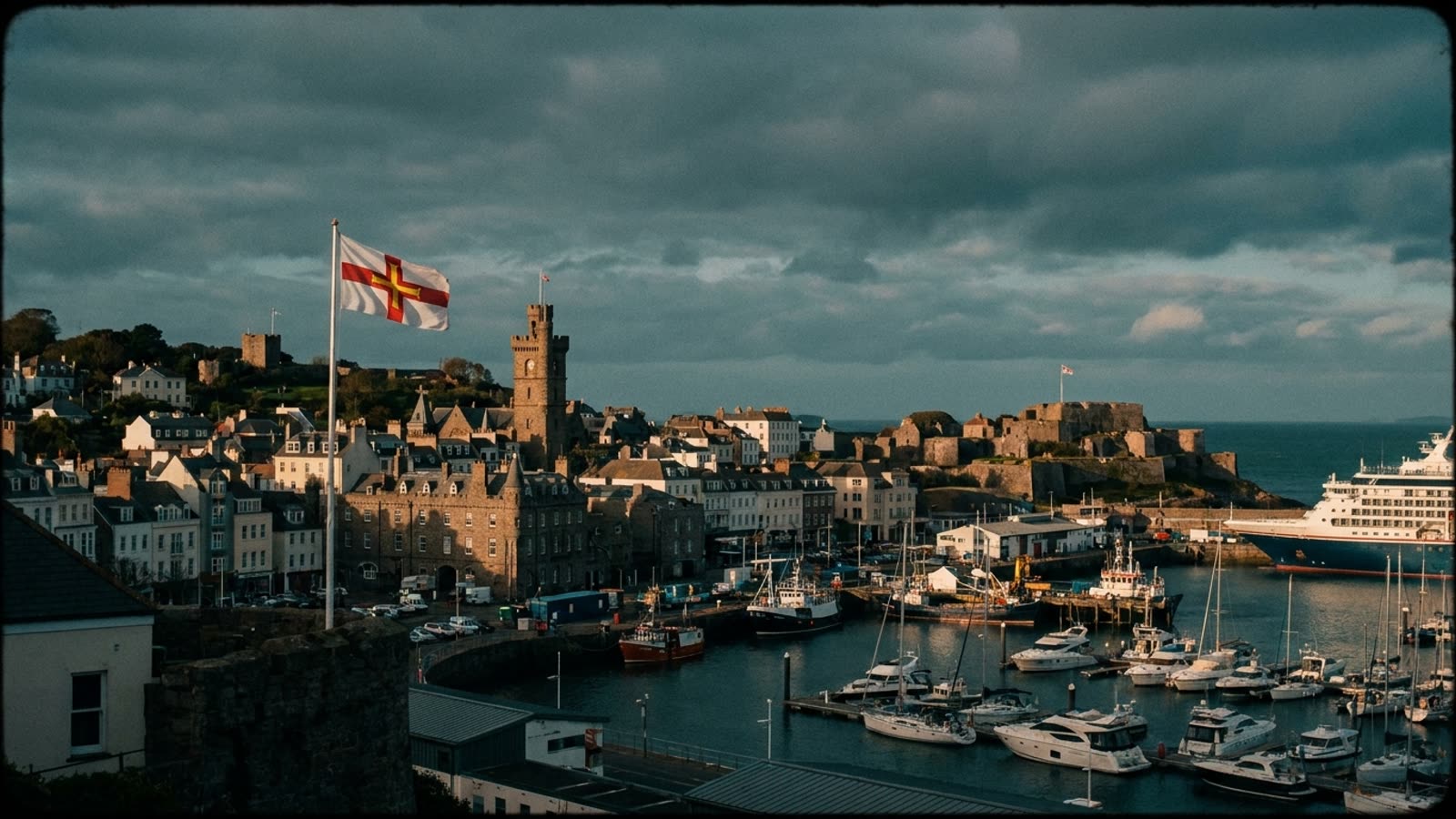
De Putron's choice of domicile was never accidental. Guernsey offered a combination of regulatory light-touch, sterling-zone stability, and geographic proximity to London that made it ideal for a quant operation with no interest in retail clients or public attention. For years, the arrangement worked perfectly: returns compounded, assets multiplied, and the financial press chased louder personalities.
But the OECD's global minimum tax regime—now fully operational—has changed the calculus for offshore hubs. Guernsey and Jersey have raised corporate rates to comply, generating unexpected revenue windfalls for the islands while simultaneously increasing disclosure requirements. De Putron's structures remain legal, but they are now more visible than ever.
Scale as exposure
The fundamental problem is arithmetic. A $9 billion fortune managed actively requires counterparties: prime brokers, custodians, co-investors in private deals. Each relationship creates a node of information. When de Putron's vehicles began appearing as significant shareholders in mid-cap European property companies and as anchor investors in private credit funds, analysts started connecting dots.
His technology investments have drawn particular attention. Stakes in several AI infrastructure companies—acquired quietly over the past three years—have appreciated dramatically, adding billions to his net worth and ensuring his name now circulates in Silicon Valley circles that previously had no idea he existed.
The paradox of quant wealth
De Putron represents a distinctive species of billionaire: one whose fortune derives entirely from systematic, model-driven trading rather than founding a company or inheriting an estate. Such wealth is philosophically interesting—it suggests the market has inefficiencies large enough to generate generational riches for those patient and skilled enough to harvest them—but it is also peculiarly defensible. There is no product to boycott, no brand to tarnish, no workforce to unionize.
This insularity has allowed de Putron to avoid the performative philanthropy and reputation management that consume most of his peers. Whether that remains sustainable as his profile rises is the open question.
Our take
De Putron's emergence into public view is less a story about one man than about the impossibility of true financial privacy at scale in the 2020s. The architecture of modern markets—regulated, digitized, interconnected—simply does not permit $9 billion to move without leaving traces. His decades of anonymity were an artifact of smaller size and a less transparent era. The money grew; the world changed; the spotlight found him anyway. For those who dream of quiet fortunes, it is a cautionary tale dressed as a success story.