Netflix's Perfect Match has done it again: contestants Jimmy and Natalie have emerged from the show's third season as an engaged couple, joining the small but growing roster of reality television relationships that survive past the reunion special. The announcement, made public this week, arrives at a moment when streaming platforms are doubling down on dating content even as audiences grow increasingly sophisticated about its mechanics.
The pairing represents everything the format is designed to produce—attractive people, accelerated emotional arcs, a proposal that lands conveniently before the finale. That it works at all is the genuine surprise.
The Netflix dating industrial complex
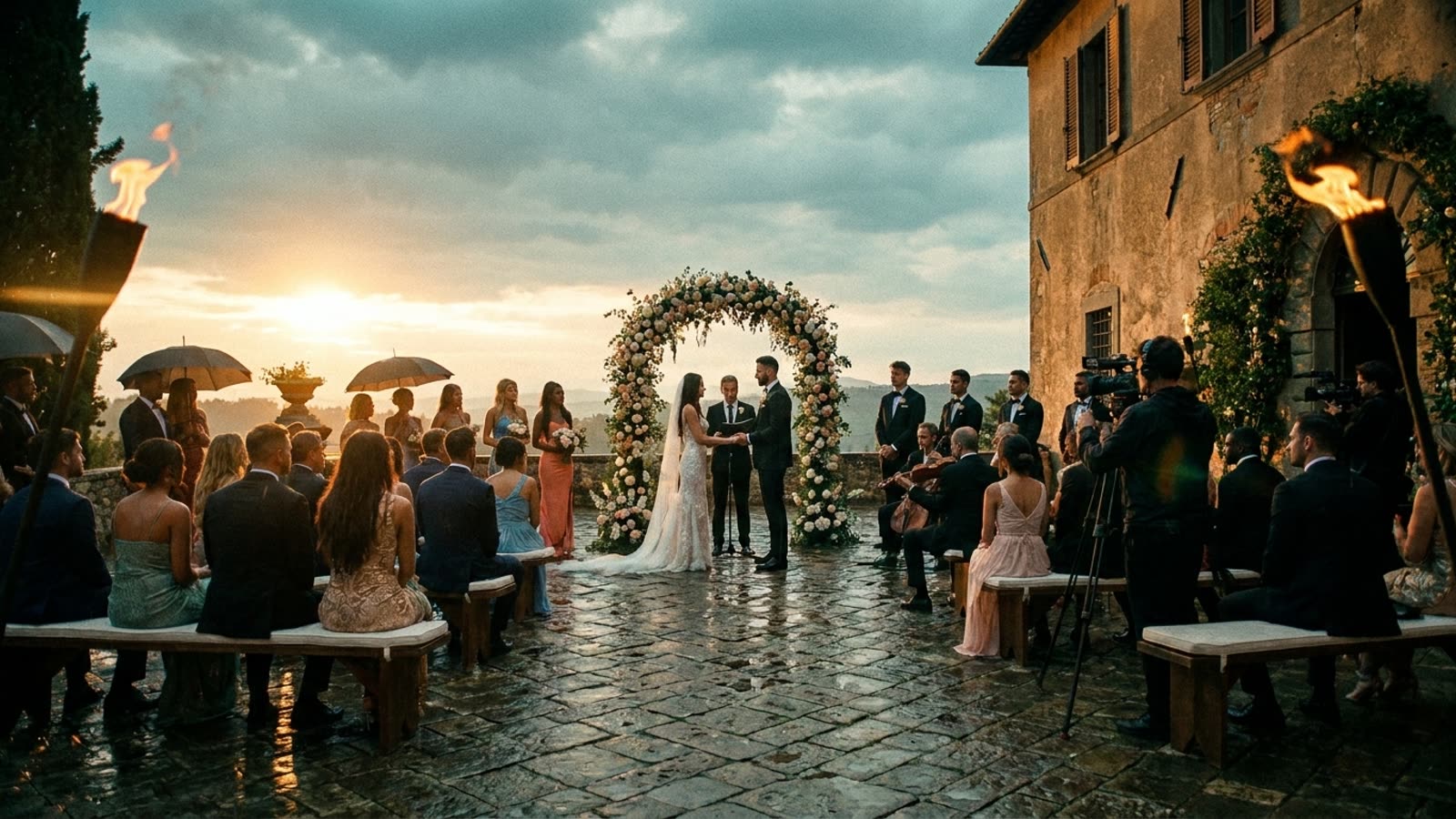
Perfect Match occupies a peculiar niche in the streaming landscape: a crossover event that pulls contestants from the platform's other dating shows—Love Is Blind, Too Hot to Handle, The Circle—and throws them together in a villa setting. It's essentially the Marvel Cinematic Universe approach applied to romantic humiliation. Jimmy and Natalie, both veterans of previous Netflix dating experiments, arrived with existing fanbases and the media training to navigate cameras without visible discomfort.
The show's premise acknowledges what traditional dating shows pretend isn't true: that participants are there partly for exposure, partly for content, and only incidentally for love. This honesty, paradoxically, may be why some relationships stick. When everyone admits the game, the connections that form despite it carry more weight.
Why these engagements keep happening
Reality television relationships fail at rates that would alarm any marriage counselor, yet the engagements keep coming. The economics are straightforward: a proposal generates press coverage, social media engagement, and the possibility of a wedding special. Participants who play along extend their relevance; those who don't fade into the vast archive of forgotten contestants.
Jimmy and Natalie appear genuinely fond of each other in the footage that's circulated, though footage is, of course, the problem. We see what editors want us to see, which is whatever keeps us watching. The couple's Instagram presence since filming wrapped suggests ongoing affection, but Instagram presence is itself a performance, optimized for the same attention economy that produced the show.
The audience knows and watches anyway
The remarkable thing about contemporary dating television is that viewers no longer require the pretense of authenticity. Audiences understand the producer manipulations, the frankenbiting, the strategic deployment of alcohol. They watch anyway, perhaps because the artificial constraints create genuine dramatic stakes, or perhaps because observing other people's romantic fumbling remains inherently compelling regardless of context.
Netflix has renewed Perfect Match for a fourth season. The formula—recycled contestants, tropical setting, competitive coupling—shows no sign of exhaustion. If anything, the platform's investment in unscripted romance content has accelerated, with dating shows now comprising a significant portion of its reality slate.
Our take
Jimmy and Natalie may well make it. Stranger things have happened, and the shared experience of surviving a reality television production creates its own form of intimacy. But their engagement matters less as a romantic milestone than as a data point in Netflix's ongoing experiment: how many real relationships can you manufacture before the audience stops believing any of them? So far, the answer appears to be: more than you'd think, and the number keeps climbing.