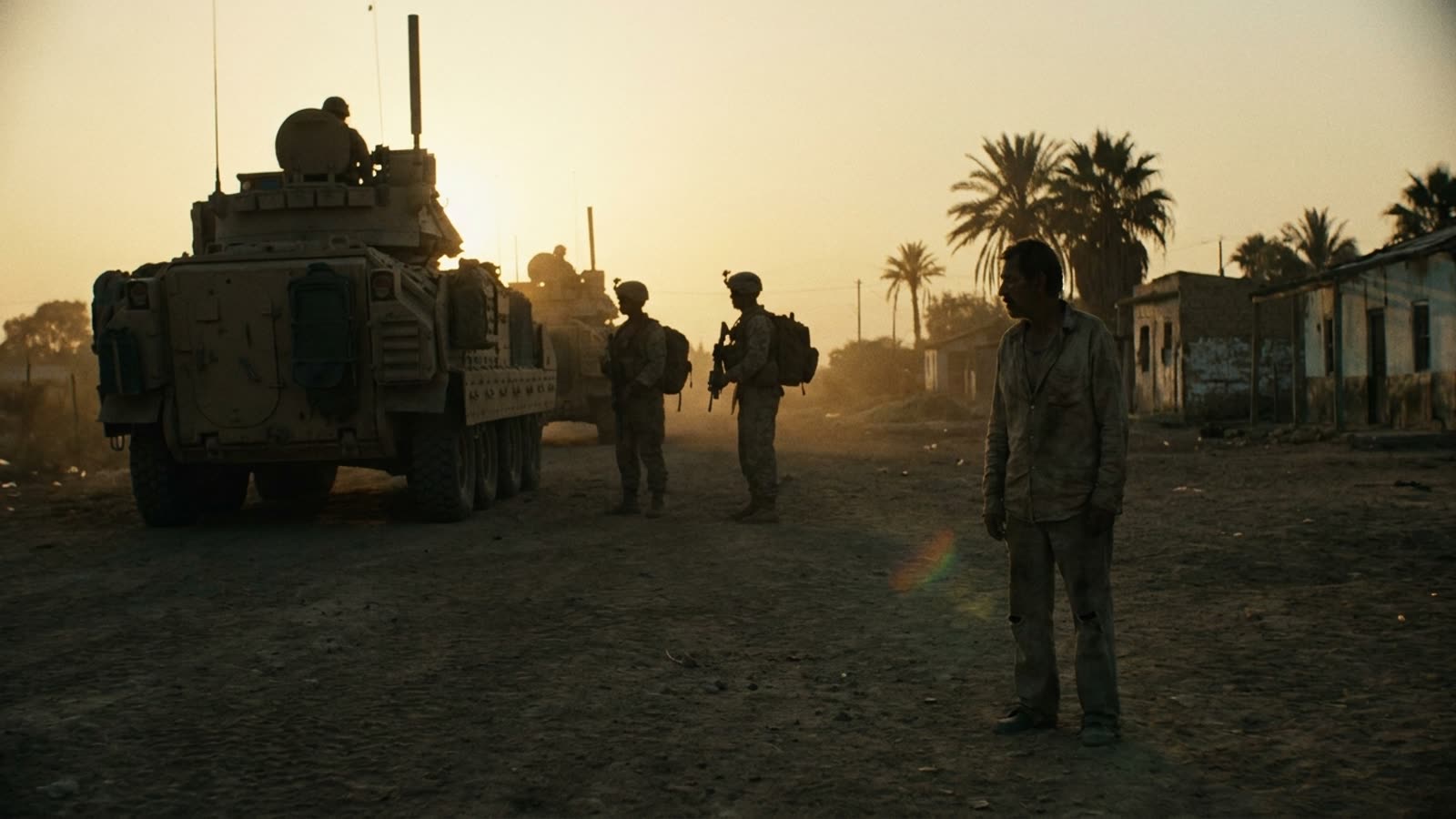
The United States is quietly expanding its military footprint across Latin America under the banner of counter-narcotics, a decision that carries more historical freight than the Pentagon's antiseptic briefings suggest. Hundreds of American troops are being deployed to multiple countries in the region, ostensibly to combat drug trafficking networks that have proven stubbornly resilient to decades of interdiction efforts.
The timing is not accidental. With midterm elections weeks away and inflation dominating headlines, the Trump administration needs wins it can narrate simply. Fighting cartels polls well. The complexities of what American boots on foreign soil actually accomplish—and what resentments they inevitably generate—are details for after November.
The ghost of interventions past
Latin America's collective memory of U.S. military involvement is long and unforgiving. From the 1954 Guatemalan coup to the Contra war in Nicaragua, from Operation Just Cause in Panama to the endless entanglement in Colombia, Washington's armed presence in the region has rarely delivered the stability it promised. The drug war itself is now more than five decades old, having consumed hundreds of billions of dollars while cocaine and fentanyl flow northward in quantities that would have seemed fantastical to Nixon-era planners.
Local governments find themselves in an awkward position. Refusing American assistance risks being labeled soft on cartels; accepting it means hosting foreign troops whose rules of engagement and ultimate loyalties remain opaque to domestic populations. Several countries have reportedly expressed private reservations while publicly welcoming the cooperation.
The operational logic
Defense officials argue this deployment differs from past interventions in scope and mission. The troops will focus on training, intelligence-sharing, and logistics rather than direct combat operations. The distinction matters legally but may prove meaningless politically if American personnel become casualties or if operations produce civilian deaths.
The Pentagon's theory of the case relies on the assumption that cartels can be weakened through disruption of supply chains and leadership decapitation—a strategy that has repeatedly produced temporary victories followed by organizational adaptation. New trafficking routes emerge. Successor leaders rise. The product keeps moving.
Our take
There is something almost touching about Washington's faith that this time, military force will solve what military force has never solved. The drug trade persists because demand persists, because poverty persists, because the economics of prohibition create margins that make violence rational. Sending troops to Latin America is not a policy; it is a gesture dressed in camouflage. The administration gets its pre-election photo opportunities. The region gets another chapter in a story it knows by heart.