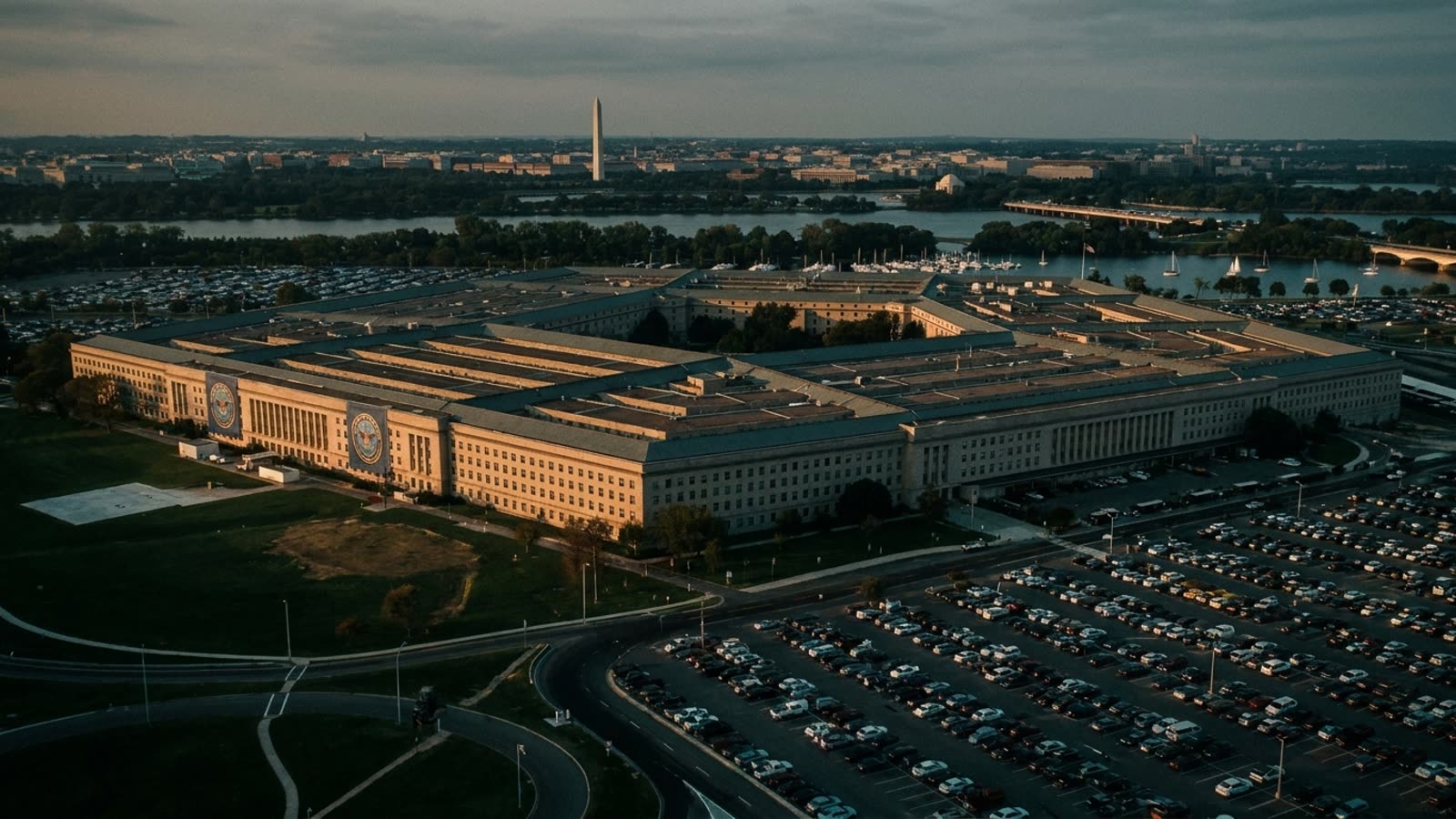
The United States Department of Defense has begun using artificial intelligence to draft reports that Congress legally requires it to submit — and rather than treating this as a potential scandal, Pentagon officials are boasting about it as an efficiency win.
The admission, which surfaced this week with remarkably little fanfare, represents something genuinely novel in the relationship between America's military establishment and its civilian overseers. Congressional reporting requirements exist for a reason: they force the executive branch to document, justify, and explain its activities to the people's representatives. When the Pentagon outsources that documentation to large language models, it is not merely automating paperwork. It is inserting a layer of algorithmic interpretation between the military and the legislature that is supposed to control it.
The efficiency argument is a red herring
Defense officials frame this as a sensible response to an overwhelming reporting burden. The Pentagon faces hundreds of congressionally mandated reports each year, covering everything from weapons procurement to personnel readiness to overseas operations. Preparing these documents consumes thousands of staff hours. If AI can draft initial versions that humans then review, the logic goes, everyone wins.
But this framing obscures the actual function of mandatory reporting. Congress does not require these documents because it enjoys reading bureaucratic prose. It requires them because the act of preparation forces the Defense Department to gather information, synthesize it, and commit to specific claims on the record. When an AI drafts the report, the cognitive work shifts from composition to review — and review is a fundamentally different, often shallower, form of engagement with material.
Hallucinations meet national security
The Pentagon has not disclosed which AI systems it is using or what safeguards exist to catch errors. This matters enormously. Large language models are notorious for generating plausible-sounding but factually incorrect statements — a phenomenon researchers call hallucination. In a congressional report on, say, the status of a weapons program or the number of troops deployed to a particular region, a hallucinated figure could mislead lawmakers making decisions about billions of dollars and thousands of lives.
The Defense Department presumably employs human reviewers to catch such errors. But anyone who has edited AI-generated text knows how insidiously convincing it can be. Errors embedded in fluent, confident prose are harder to spot than errors in rough drafts written by humans who flag their own uncertainties. The very quality that makes AI useful for drafting — its ability to produce polished output quickly — also makes it dangerous for high-stakes documents.
Our take
There is nothing inherently wrong with using AI as a drafting tool, even in government. But the Pentagon's cheerful announcement suggests an institution that has not fully reckoned with what it is doing. Congressional oversight is not a compliance exercise to be optimized; it is a constitutional function. When the military starts automating its explanations to civilian authorities, Congress should respond not with applause for innovation but with pointed questions about accuracy, transparency, and who exactly is accountable when an AI-drafted report turns out to be wrong. The answer cannot be "the algorithm."