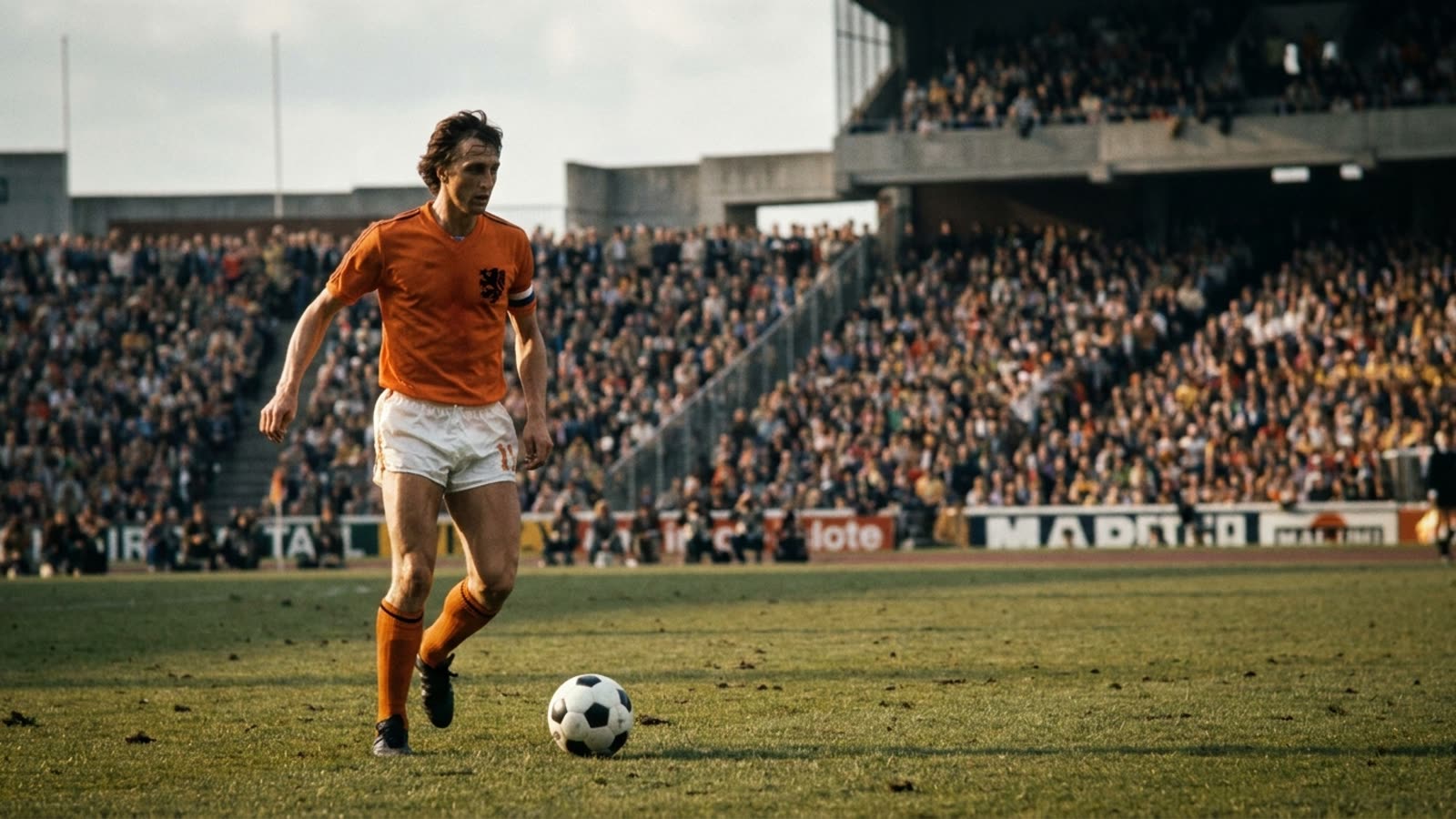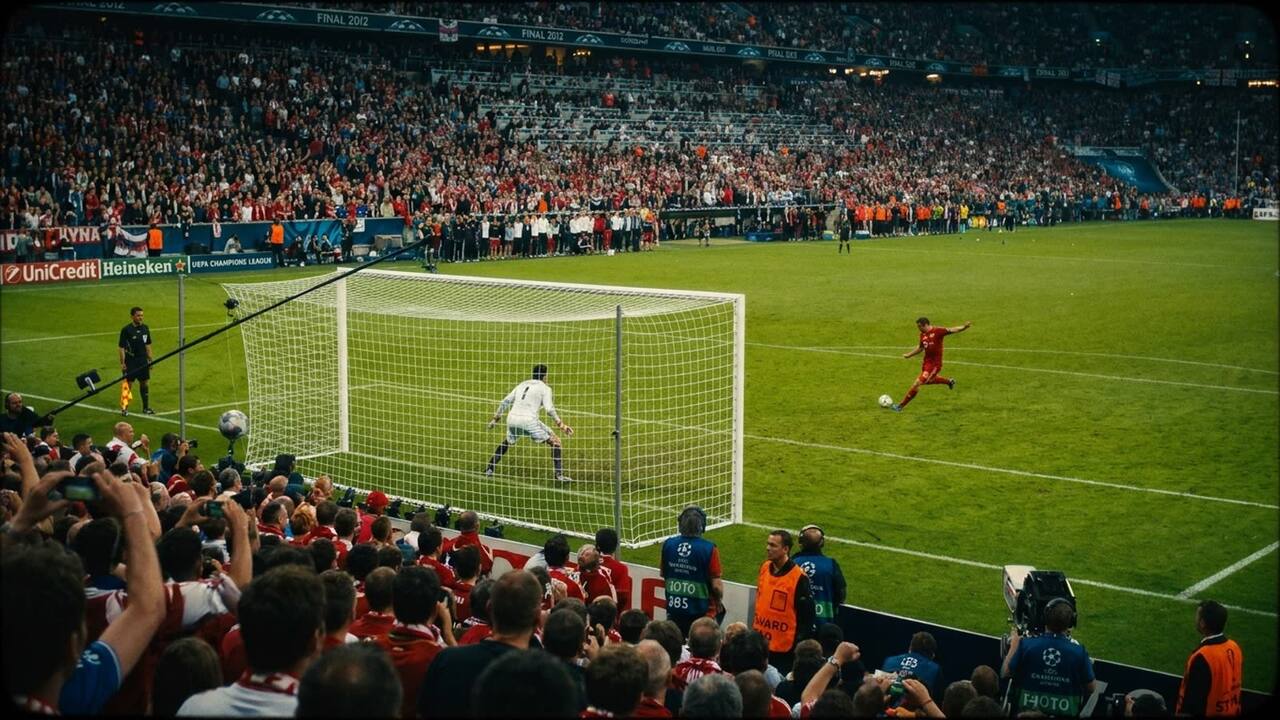
The walk from the centre circle to the penalty spot takes roughly fifteen seconds. In that interval, a player must manage the accumulated weight of his nation's expectations, the memory of every penalty he has ever taken, and the knowledge that in moments he will either be embraced as a hero or consoled as a tragedy. No other mechanism in professional sport isolates an individual so completely while the collective holds its breath.
Penalty shootouts were introduced to the World Cup in 1978 as a practical solution to the problem of deadlocked knockout matches. The format's inventors could not have anticipated that they were creating something closer to existential drama than mere tiebreaker. Nearly five decades later, the shootout remains unchanged in its essential cruelty: five players per side, alternating kicks, sudden death if required. The simplicity is deceptive. What unfolds is a compressed psychological examination that reveals character in ways ninety minutes of open play cannot.
The anatomy of twelve yards
The geometry is fixed and unforgiving. The spot sits eleven metres from the goal line. The goalkeeper must remain on his line until the ball is struck. The kicker has complete control over placement, pace, and timing. On paper, the advantage belongs entirely to the shooter—professional players convert roughly three-quarters of penalties in normal match situations. Yet in World Cup shootouts, that rate drops meaningfully, and certain nations have developed reputations for faltering that border on the supernatural.
The difference is context. A penalty in the flow of a match arrives with adrenaline already circulating. A shootout penalty arrives after extra time, after the long walk, after watching teammates succeed or fail, after the stadium has gone quiet enough to hear your own breathing. The technical act is identical; the psychological environment is transformed entirely.
Why some nations struggle
England's historical difficulties from the spot became so pronounced that they entered the realm of national neurosis. The pattern was not about technique—English players were no less skilled than their German or Argentine counterparts. It was about expectation. Each miss added to a narrative that subsequent players carried with them on that long walk. The weight became self-fulfilling.
Germany, by contrast, built a reputation for shootout excellence that functioned as its own psychological weapon. Opposing players knew the statistics before stepping up. The Germans knew that their opponents knew. This asymmetry of confidence, invisible but decisive, shaped outcomes before a ball was struck.
The goalkeeper's impossible task
The player facing the greatest informational disadvantage is the one who can actually win the contest. Goalkeepers must commit to a direction before they can possibly read the ball's trajectory. They rely on pre-match analysis of opponents' tendencies, on body-language cues in the run-up, and ultimately on educated guessing. A keeper who saves even two of five penalties has performed exceptionally. Yet the narrative rarely celebrates the goalkeeper who guesses wrong but dives correctly—it remembers only the shooter who missed.
This asymmetry produces its own psychological pressure. Keepers who save decisive penalties become instant legends. Those who dive the wrong way on a winning goal are forgotten, their failure absorbed into the collective memory of the shooter's triumph.
Our take
The penalty shootout survives because no one has proposed a better alternative, but its persistence also reflects something deeper: we are drawn to moments of individual reckoning. Football is a team sport, yet its most memorable World Cup images are often solitary—a player standing over the ball, a nation's hopes compressed into a single swing of the boot. The format is arbitrary, arguably unfair, and utterly compelling. It strips away the complexity of tactics and fitness and luck, leaving only a human being, a ball, and the weight of expectation. That this remains the method for deciding the most important matches in the world's most popular sport says something about our appetite for drama that statistics cannot capture.