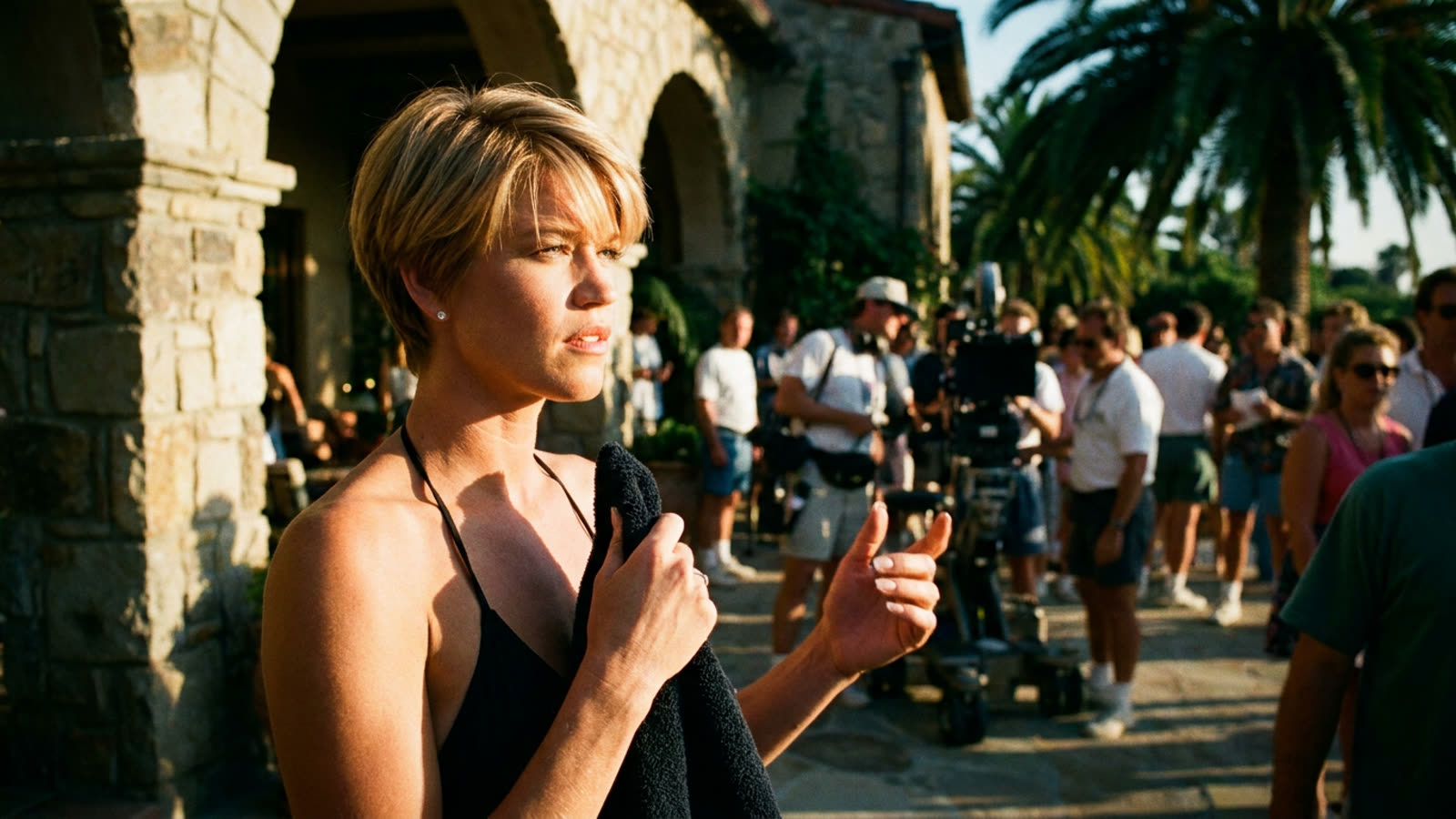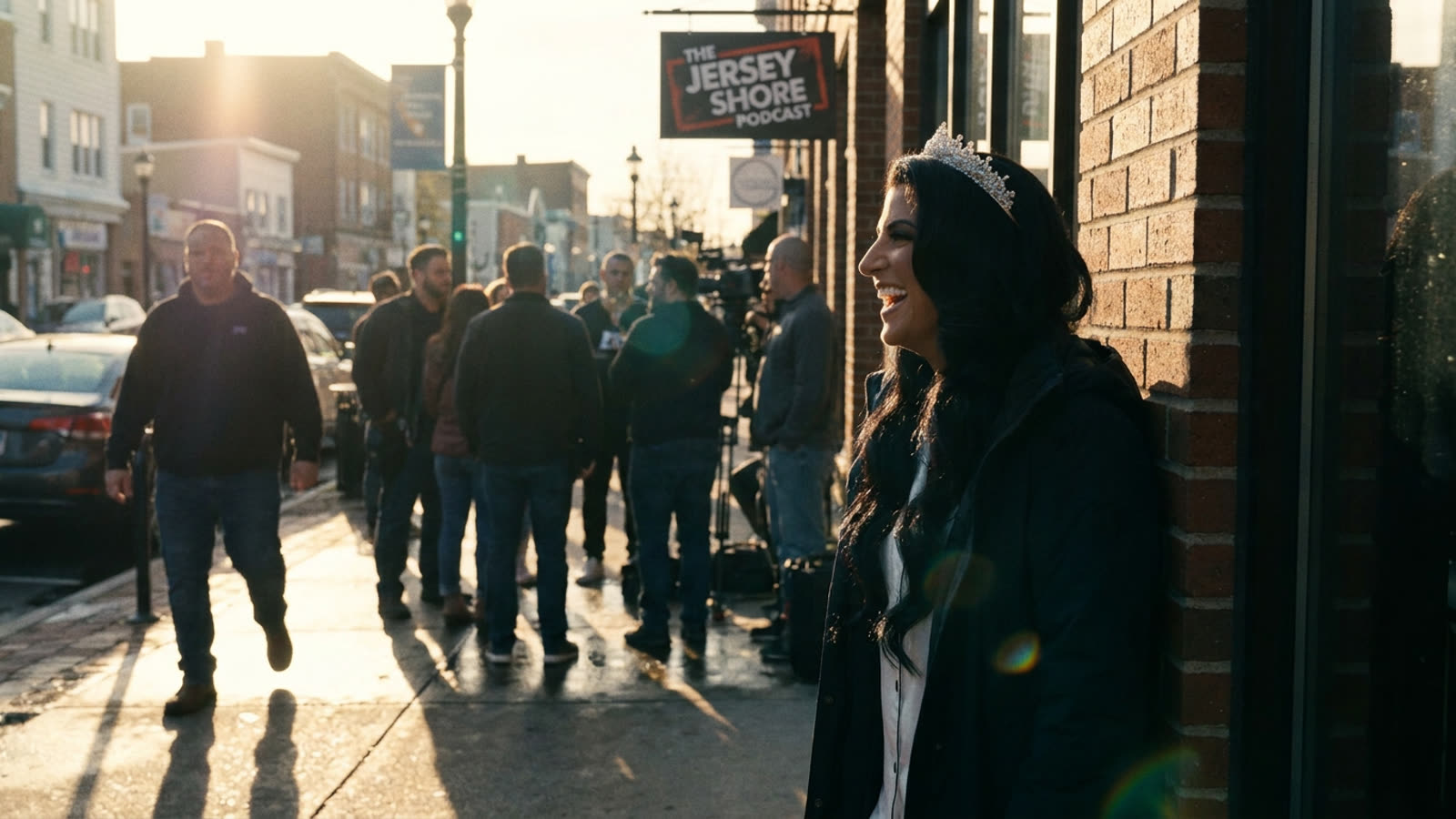
Reality television's most honest metric isn't ratings or social media followers — it's the 'Memba Her?' segment, that peculiar genre of celebrity archaeology that TMZ has perfected. This week's subject is Paula Pickard, who flickered across Jersey Shore's first season before vanishing into the algorithmic void. Her reemergence says more about the reality TV industrial complex than any Nielsen report ever could.
Pickard appeared during the show's chaotic 2009 debut, one of several women who drifted through the Seaside Heights house before producers settled on their core cast. She was, in industry parlance, a "civilian" — someone who wandered into frame without understanding that reality television doesn't have extras, only future cautionary tales.
The economics of disposability
Jersey Shore generated an estimated $2.5 billion in revenue for MTV over its original run, yet the show's peripheral figures received little beyond their fifteen minutes. The core cast — Snooki, JWoww, The Situation — negotiated salaries that eventually reached six figures per episode. Everyone else got a release form and a story to tell at bars.
This isn't unique to Jersey Shore. The reality genre has always operated on a kind of human arbitrage: recruit dozens, promote a handful, discard the rest. The Bachelor franchise cycles through approximately 30 contestants per season; perhaps two or three achieve lasting recognition. Love Island, Survivor, Big Brother — all run on the same calculus.
Why nostalgia content works
The 'Memba Her?' format succeeds because it flatters the audience's memory while acknowledging the cruelty of fame's lottery. Readers click not because they actually remember Paula Pickard, but because they want to feel like they might. It's parasocial archaeology — digging through the sediment of pop culture to find someone who proves we were paying attention all along.
For the subjects themselves, these segments offer something rarer: proof of existence. In an era when reality TV contestants number in the thousands annually, simply being remembered — even as a trivia question — constitutes a form of validation.
The Jersey Shore universe expands
Jersey Shore itself refuses to die. The original series ended in 2012, but Family Vacation has run since 2018, and various spinoffs continue to orbit the franchise. Jenni "JWoww" Farley just married Zack Carpinello, keeping the brand in tabloid circulation. Against this backdrop of perpetual reunion, figures like Pickard become living time capsules — evidence of what the show was before it became what it is.
Our take
The 'Memba Her?' industrial complex is reality television's pension plan: meager, unreliable, but better than nothing. Paula Pickard didn't become famous from Jersey Shore, but seventeen years later, she's become something almost as valuable — a reminder that the camera sees everyone, even if it doesn't remember them for long. In the attention economy, being forgotten and then briefly recalled might be the most honest form of celebrity we have left.