The most expensive Senate seat in American history is about to get a sequel, and one side has already won the fundraising war before the general election begins.
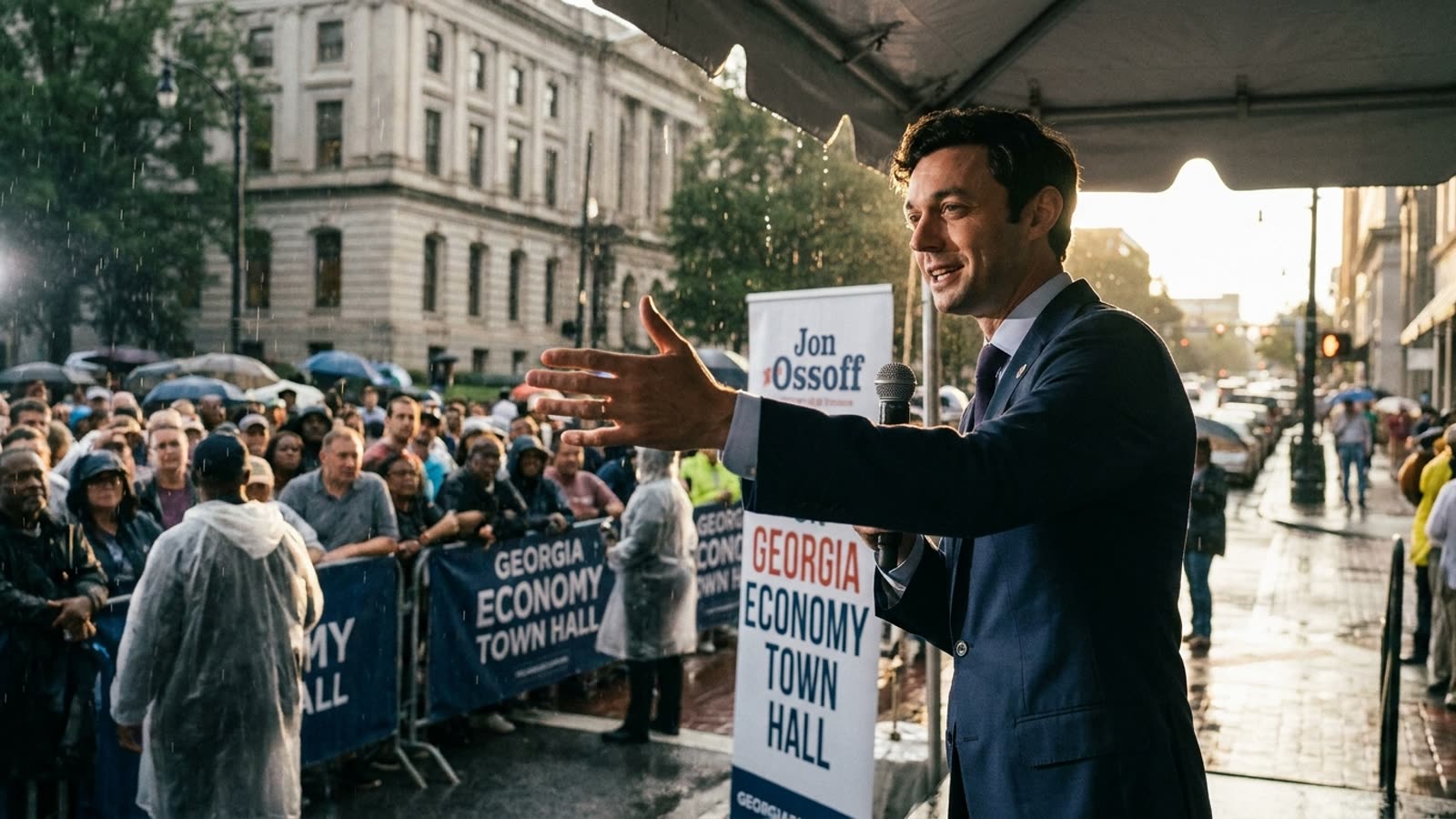
Sen. Jon Ossoff, the Georgia Democrat who narrowly won his seat in the January 2021 runoff, has amassed a formidable war chest while Republicans spent months—and tens of millions of dollars—tearing each other apart in a crowded primary. The cash disparity heading into November represents one of the starkest financial mismatches in competitive Senate races this cycle, and it illustrates a recurring problem for the GOP: ideological purity contests that leave nominees broke and bruised.
The primary hangover
Georgia's Republican primary featured multiple well-funded candidates backed by competing factions of the party, each claiming the mantle of true conservatism. The result was a prolonged, expensive battle that forced the eventual nominee to burn through resources that would otherwise be reserved for the general election. Meanwhile, Ossoff faced no serious Democratic challenger, allowing him to stockpile contributions from a donor base still energized by his 2021 upset victory.
The financial asymmetry matters enormously in Georgia, where the Atlanta media market alone can consume millions in advertising spend within weeks. Ossoff's team has already begun reserving airtime for the fall, locking in favorable rates before prices spike closer to November. His Republican opponent, by contrast, must now pivot from primary messaging to general election positioning while simultaneously rebuilding a depleted fundraising operation.
National implications
Georgia remains one of the most closely watched battlegrounds in the fight for Senate control. Republicans need to flip seats to regain the majority, and Ossoff—a first-term senator without deep roots in Georgia politics—was supposed to be vulnerable. But vulnerability requires the resources to exploit it, and the GOP's internal divisions have handed Democrats a significant structural advantage.
The pattern is not unique to Georgia. Across multiple competitive states, Republican primaries have devolved into expensive ideological sorting exercises that benefit Democratic incumbents. Party strategists privately acknowledge the problem but have found no mechanism to prevent it—primary voters reward confrontation, not fiscal discipline.
Our take
Money doesn't guarantee electoral success, but its absence almost guarantees failure in a state as expensive as Georgia. Ossoff remains beatable on paper—his approval ratings are middling, and the national environment could shift against Democrats by November. But beating him requires a well-funded campaign, and Republicans have spent the past several months ensuring their nominee won't have one. The GOP's primary addiction is becoming a general election liability.