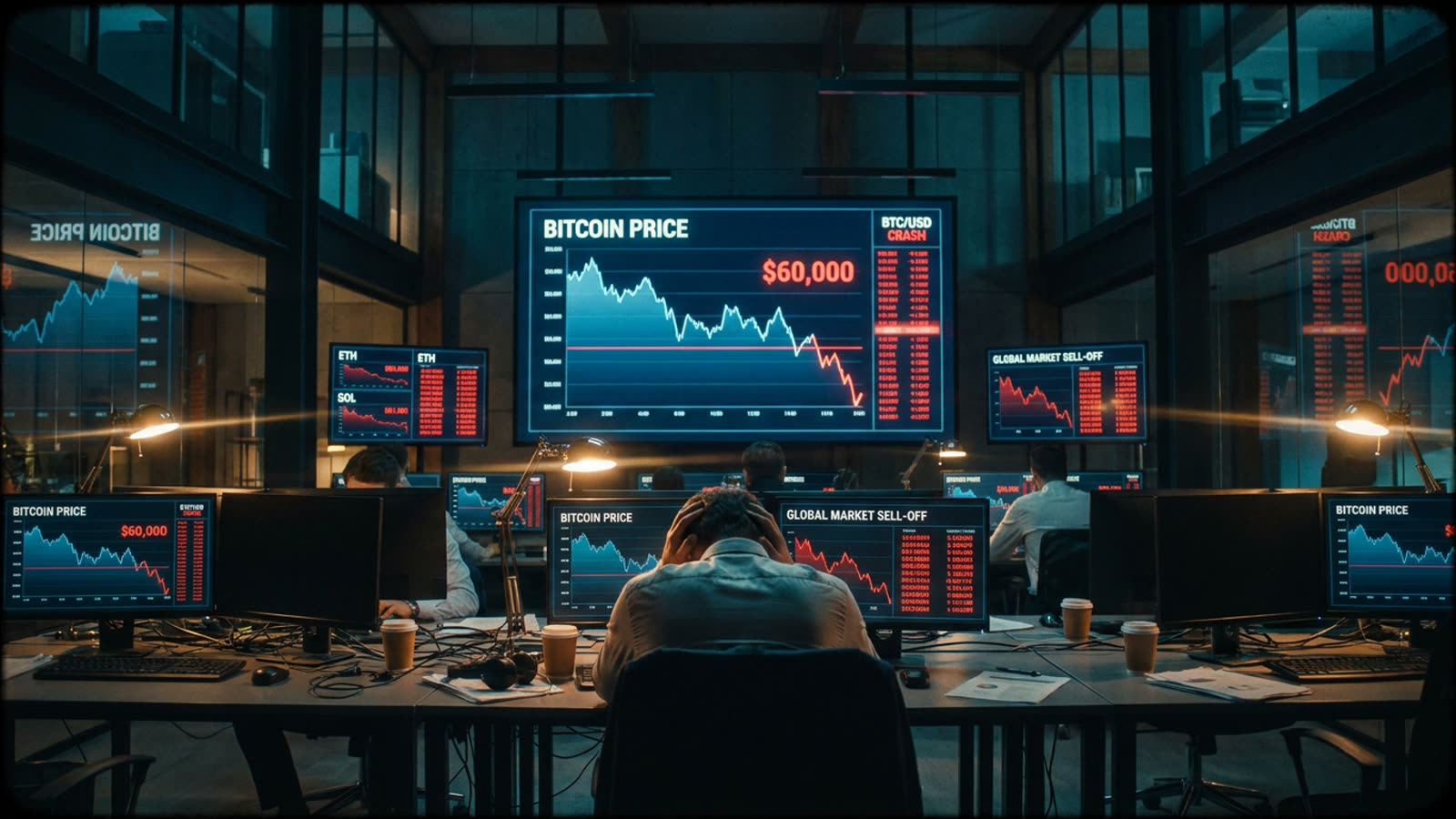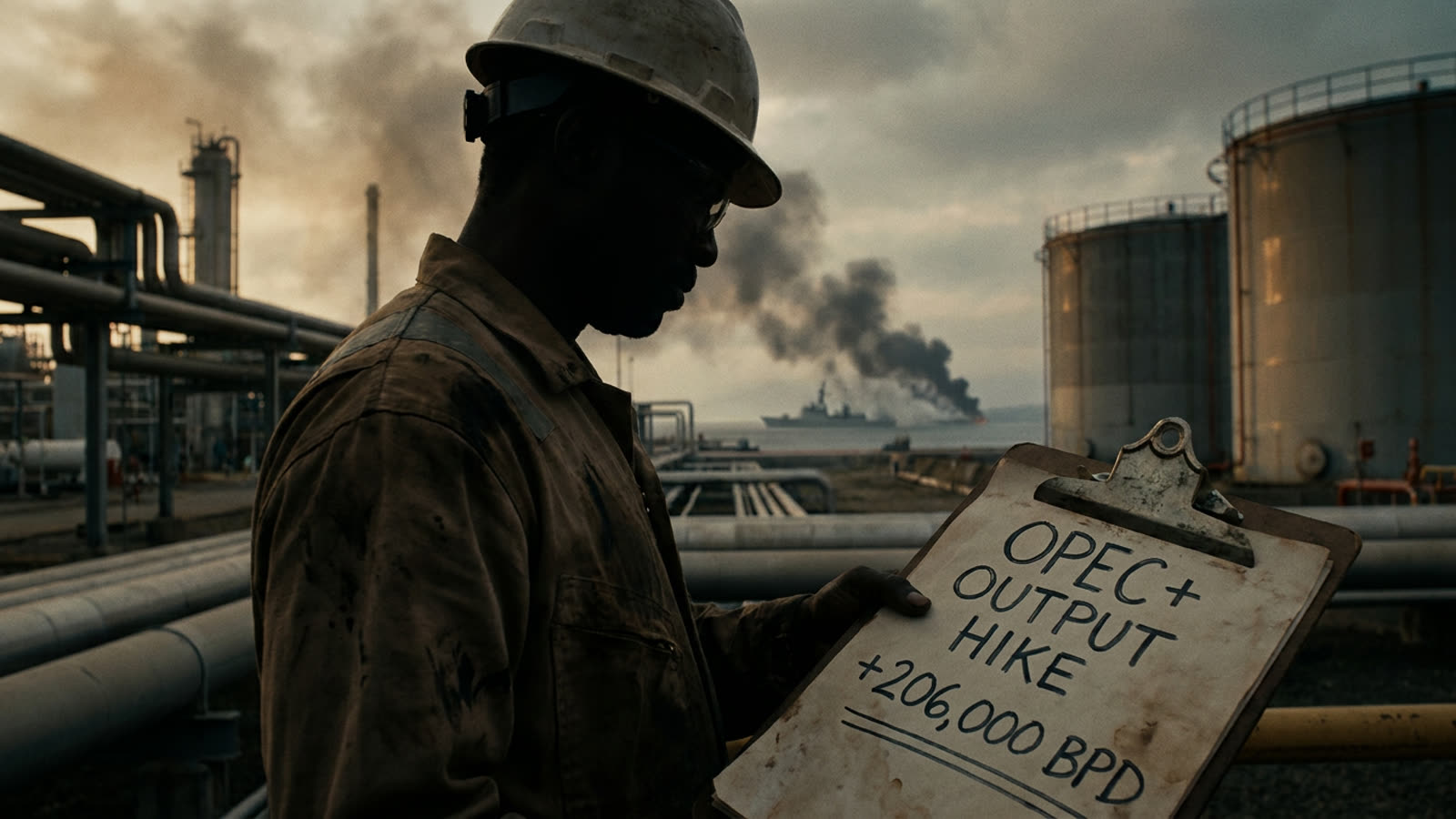
The oil cartel has decided that the best response to a chokepoint crisis is to flood the market anyway.
OPEC+ is set to approve its fourth consecutive production quota increase since the Strait of Hormuz disruptions began, according to sources familiar with the deliberations. The move would add another estimated 400,000 barrels per day to global supply starting in August, bringing total post-crisis increases to roughly 1.6 million barrels daily—a remarkable show of confidence from an alliance that spent years carefully managing scarcity.
The logic of flooding a constrained market
The decision appears counterintuitive. Tanker insurance rates through the Persian Gulf remain elevated. Alternative routes around the Cape of Good Hope add weeks and costs to deliveries. Yet OPEC+ sees opportunity precisely where others see risk.
The cartel's calculus runs something like this: Western strategic petroleum reserves are depleted after years of releases. Non-OPEC supply growth has disappointed. And crucially, the Hormuz situation has created a two-tier market where barrels that can actually reach buyers command premiums that make quota increases profitable even at nominally lower benchmark prices. Saudi Arabia and the UAE, with their Red Sea export options, are better positioned than ever to capture market share from rivals still dependent on Gulf transit.
The demand question nobody wants to answer
But the strategy carries substantial risk. Chinese import data has softened for three consecutive months. European industrial demand remains anemic. The Federal Reserve's hawkish turn—now expected to include a rate hike rather than cuts—threatens to strengthen the dollar and crimp emerging-market consumption precisely when OPEC+ needs buyers for its additional barrels.
The cartel is also betting that the Hormuz situation resolves before oversupply becomes unmanageable. If diplomatic efforts between Washington and Tehran continue to founder, OPEC+ may find itself having added supply into a market that suddenly has nowhere to send it.
Our take
This is OPEC+ playing offense while everyone else plays defense, and it reveals something important about how the cartel has evolved. The old model was about restricting supply to maximize price. The new model is about using crises to consolidate market position, accepting lower per-barrel margins in exchange for structural dominance. It is a sophisticated strategy—but it requires the global economy to cooperate, and economies rarely do what cartels need them to.