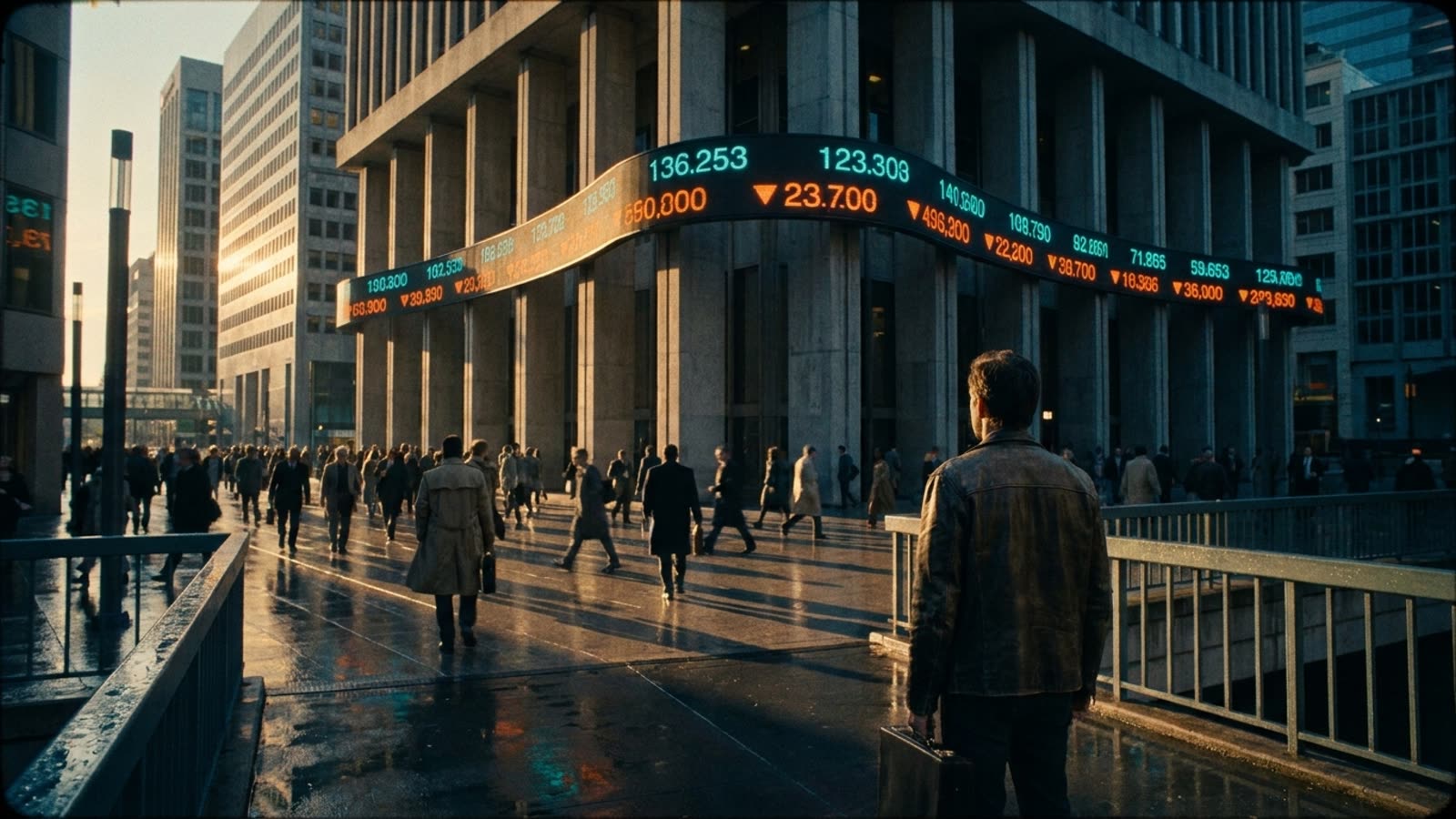
The logic seemed irresistible: with diplomatic channels reopening between Washington and Tehran, the war premium baked into crude should evaporate, freeing capital to chase equities higher. And so it has—Brent crude has shed more than eight percent in recent sessions while the S&P 500 flirts with fresh highs. The trouble is that the market appears to be trading the armistice it wants rather than the messy, protracted de-escalation it is likely to get.
The speed of the repricing has been striking. Oil's decline accelerated after reports that back-channel talks had resumed, even though no ceasefire framework has been announced and Iranian officials have publicly denied any breakthrough. Equity traders, meanwhile, have interpreted cheaper energy as an unambiguous tailwind for corporate margins, bidding up cyclicals and consumer discretionary names as though input costs were guaranteed to stay subdued.
The peace premium problem
Markets are forward-looking by design, but the current positioning assumes a remarkably benign scenario: that hostilities wind down without further supply disruptions, that sanctions relief proceeds smoothly, and that neither side miscalculates in a way that sends crude spiking back above triple digits. Each of those assumptions carries meaningful risk. The Persian Gulf remains heavily militarised, tanker insurance rates have barely budged, and OPEC-plus has yet to signal how it would respond to a flood of Iranian barrels returning to market.
What the price action really reflects is a positioning squeeze. Hedge funds had built substantial long exposure to oil on the assumption that conflict would tighten supply for months. When headlines hinted at diplomacy, those positions were unwound in a rush, dragging spot prices lower and triggering algorithmic buying in equities that track energy-input costs inversely.
Equity valuations stretched thin
The knock-on effect in stocks has been amplified by thin summer liquidity. With many institutional desks operating on skeleton crews, relatively modest flows have moved indexes further than they might otherwise. The result is a market that has priced in not just lower oil but sustained lower oil—a bet that requires geopolitics to cooperate for quarters, not days.
Valuation multiples on the S&P 500 have crept back toward levels last seen before the conflict began, even as earnings revisions remain mixed and the Federal Reserve has signalled no urgency to cut rates. The implied equity risk premium has compressed to a point where any reversal in the oil trade could trigger a swift de-rating.
Our take
Traders are not wrong to anticipate that peace would be bullish for risk assets—they are simply early, and early in markets is often indistinguishable from wrong. The prudent posture here is scepticism: enjoy the rally if you must, but recognise that the market has written a cheque diplomacy has not yet cashed. If talks stall or, worse, collapse, the unwind will be just as violent as the rally that preceded it.