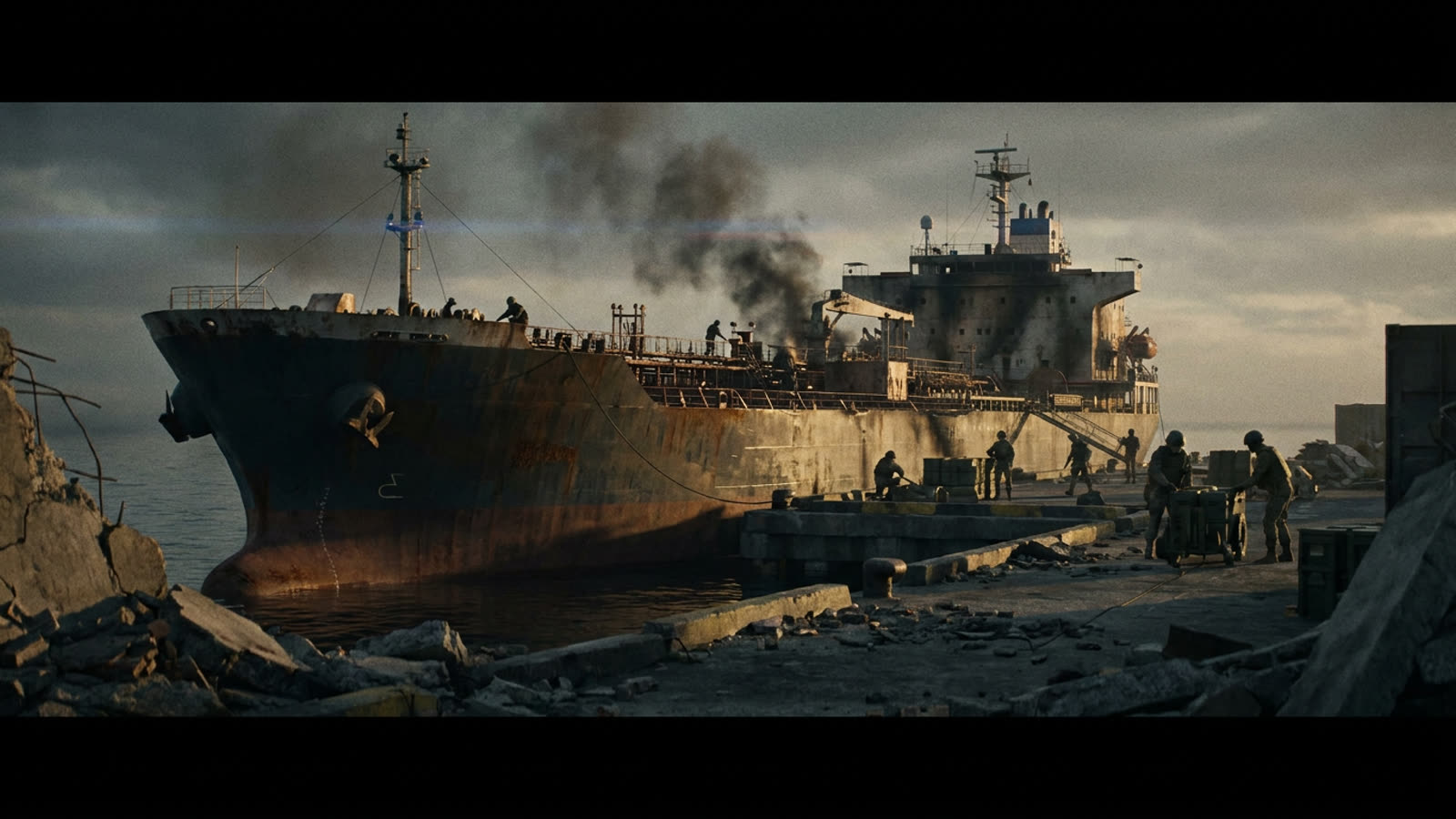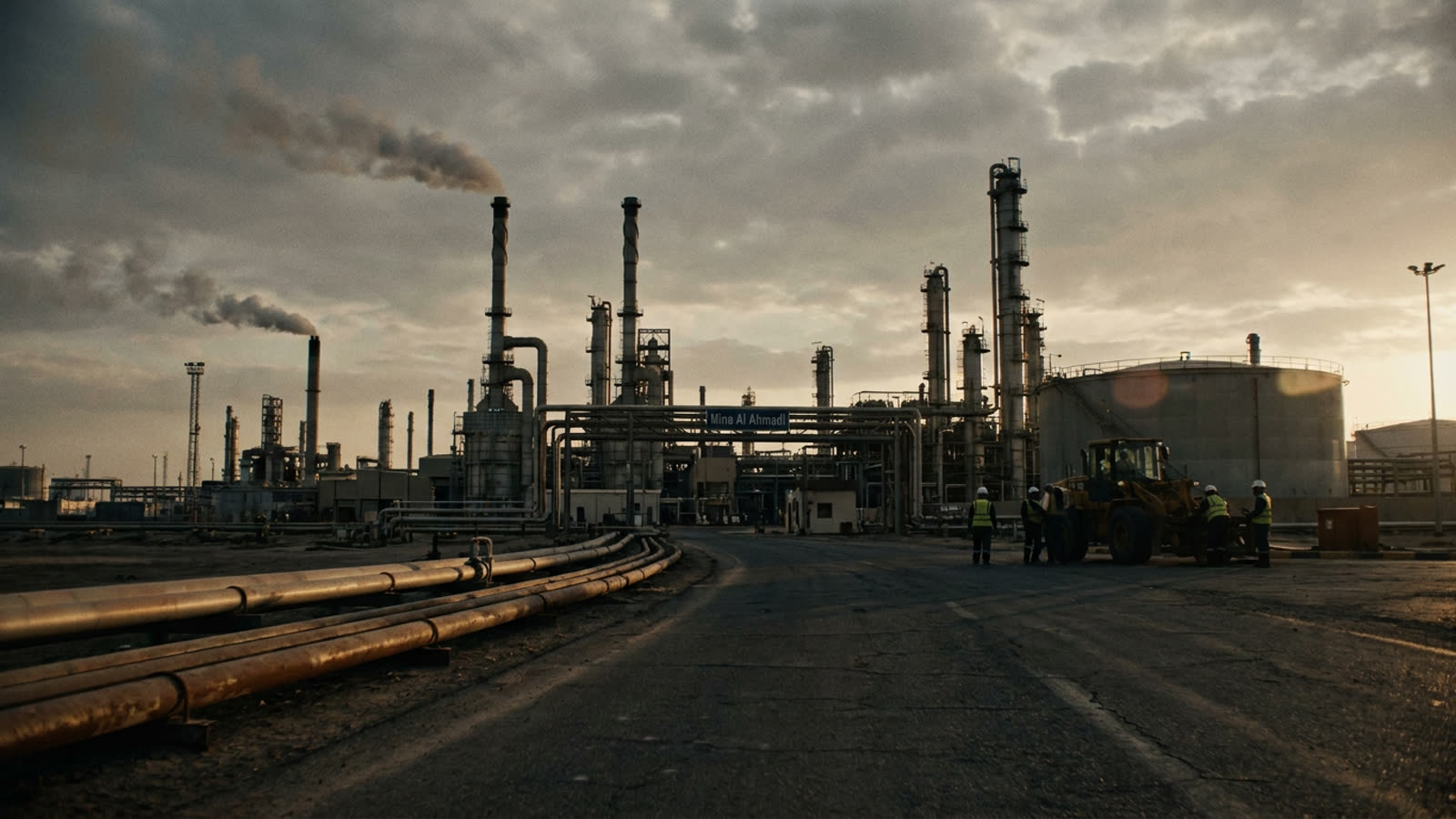
Less than three weeks after Iranian oil facilities came under attack and Brent crude spiked above $90 a barrel, prices have slumped back to where they were before the first missiles flew. The speed of the reversal tells us something important about how energy markets now process war: with ruthless efficiency and almost no patience for uncertainty.
The logic is straightforward enough. Saudi Aramco confirmed the resumption of operations at Ras Tanura, the world's largest oil export terminal, which had briefly throttled shipments as a precaution. Iranian crude exports, while disrupted, never collapsed entirely. And American shale producers, ever opportunistic, signaled they could ramp output within months if prices stayed elevated. Traders looked at the fundamentals, did the arithmetic, and decided the supply shock was transitory.
The new calculus of crisis
What has changed since the oil shocks of the 1970s—or even the Gulf War era—is the sheer depth of information and hedging instruments available to market participants. Algorithmic traders can parse satellite imagery of tanker movements in real time. Options markets let refiners lock in prices before a single barrel goes missing. The result is that geopolitical risk premiums build and dissipate with startling speed. A war that would once have sent prices spiraling for months now gets "priced in" over a long weekend.
This is, in some respects, a triumph of market efficiency. Consumers and businesses face less volatility than they might have a generation ago. Central bankers, who spent much of 2022 and 2023 battling energy-driven inflation, can breathe a bit easier knowing that crude is not about to retest $120.
The hidden fragility
But efficiency can breed complacency. The physical infrastructure that moves oil from the Persian Gulf to refineries in Asia and Europe remains as vulnerable as ever. A well-placed strike on the Strait of Hormuz—through which roughly a fifth of global oil transits daily—would create a supply shock that no amount of shale drilling could offset quickly. Markets may be pricing risk correctly in the aggregate, but they are also assuming that the worst-case scenario will not materialize. That assumption has been right so far. It will not always be.
Meanwhile, the speed of the price retreat has political consequences. Lower oil prices ease pressure on Western governments to pursue diplomatic off-ramps, since the economic pain of prolonged conflict appears manageable. For Iran, the message is grimmer: even a direct attack on its energy sector failed to deliver lasting leverage over global markets.
Our take
The market's ability to shrug off a shooting war in the Gulf is impressive and slightly unnerving. Efficient price discovery is a feature, not a bug—until it lulls policymakers into believing that energy security is someone else's problem. Oil at prewar levels does not mean the war is over, or that the next disruption will be so easily absorbed. It means traders have short memories and long spreadsheets. Those are not the same thing as resilience.