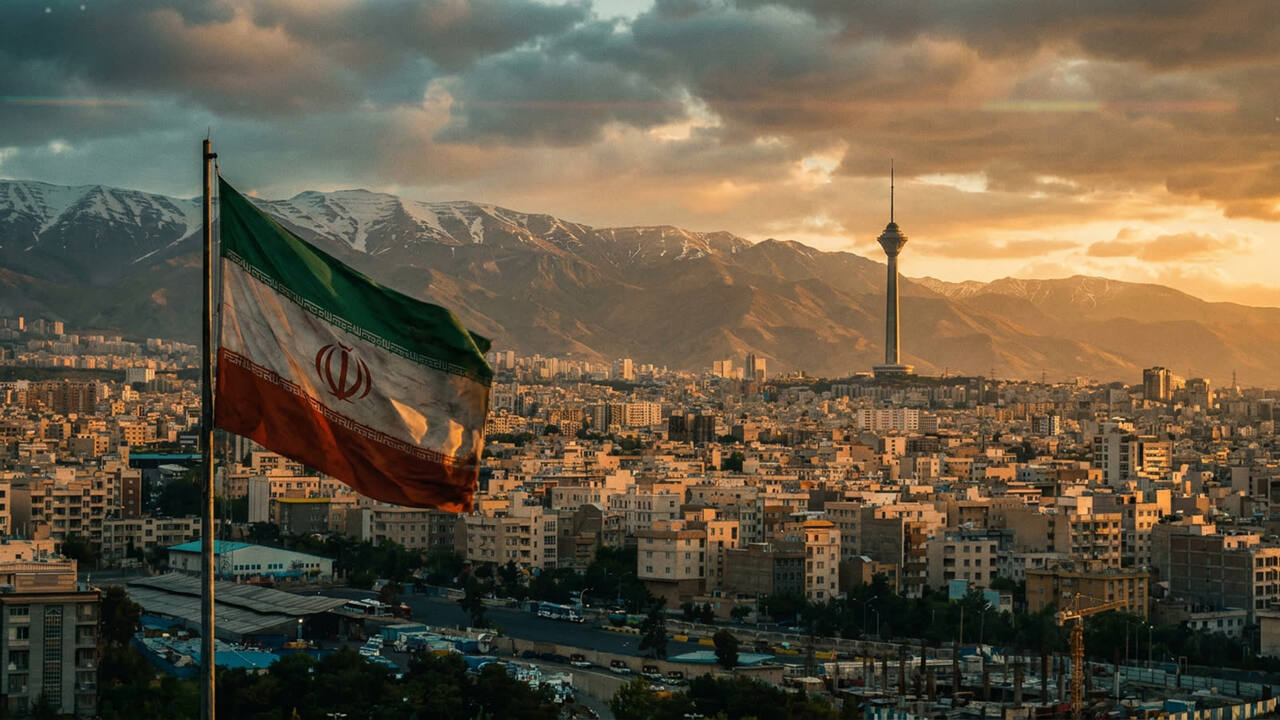
For the better part of two years, energy traders have priced crude as though the next tanker through the Strait of Hormuz might be the last. The US-Iran conflict, which escalated dramatically in late 2024 and rumbled through 2025 with sanctions, proxy skirmishes, and periodic sabre-rattling over Hormuz chokepoints, had baked a persistent risk premium into every barrel. That premium is now gone.
Global oil prices have slid to their lowest level since before hostilities began, a milestone that says less about any diplomatic breakthrough—there hasn't been one—than about the market's belated recognition that supply never really broke. Iranian barrels, rerouted through shadow fleets and intermediary buyers, kept flowing. American shale responded to elevated prices with characteristic enthusiasm. And demand, particularly in China, never quite materialised at the pace bulls had projected.
The supply story nobody wanted to hear
Throughout the conflict, analysts warned of imminent shortages. Yet the barrels kept arriving. Iran's clandestine export network proved more resilient than Washington's sanctions architects anticipated, while non-OPEC producers—led by the United States, Brazil, and Guyana—added meaningful volumes. OPEC+ tried to defend prices with production cuts, but compliance frayed as members cheated quotas to capture revenue. The result: a market that spent months bracing for scarcity only to discover a modest glut.
Demand's quiet disappointment
China's post-pandemic recovery, once expected to hoover up every spare barrel, has underwhelmed. The property sector's prolonged malaise, a pivot toward electric vehicles that is now genuinely denting petrol consumption, and a broader industrial slowdown have combined to flatten Chinese crude imports. Europe's energy transition, accelerated by the shock of losing Russian gas, has trimmed oil's share of the energy mix faster than most forecasts assumed. Even American gasoline demand, while robust, has not grown at the clip refiners hoped.
What cheaper oil means now
For consumers, falling crude prices are unambiguously welcome—petrol at the pump is cheaper, heating oil bills will ease, and input costs for everything from plastics to fertilisers decline. For central bankers, it removes one inflationary irritant at a moment when the Federal Reserve and European Central Bank are trying to stick soft landings. For petrostates, the calculus is grimmer: Saudi Arabia's fiscal breakeven price sits well above current levels, and the kingdom will face uncomfortable choices about spending or borrowing.
The geopolitical read is subtler. Lower prices do not mean the US-Iran standoff is resolved; they mean markets have stopped believing it will spiral into the catastrophic supply shock once feared. That is a vote of confidence in redundancy—alternative routes, alternative suppliers, alternative fuels—rather than in diplomacy.
Our take
Oil's slide is a reminder that markets are pattern-recognition machines, and the pattern they have finally recognised is that modern energy infrastructure is more resilient, and modern demand growth more anaemic, than the crisis playbook assumes. The war premium was always partly a bet on the worst-case scenario. The worst case didn't arrive, and now the bill for that misplaced anxiety is being refunded at the pump.