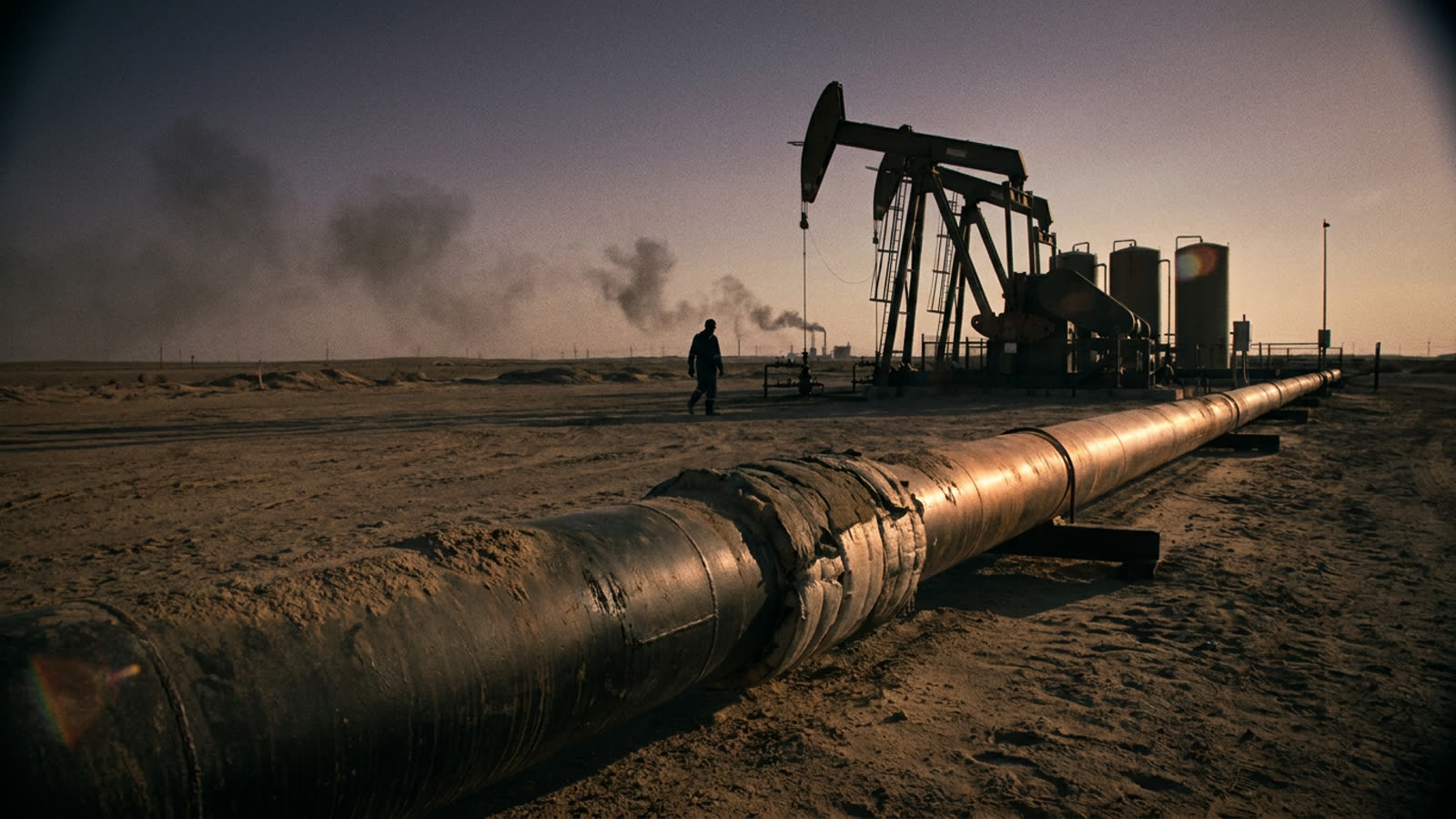
The comfortable assumption that geopolitical risk premiums were relics of a pre-shale era has been quietly shelved. Brent crude pushed past $90 a barrel this week as renewed hostilities between U.S. forces and Iranian-backed militias reminded traders that the Strait of Hormuz remains the world's most consequential chokepoint—and that no amount of Permian Basin output can fully insulate global markets from Middle Eastern volatility.
The latest price surge follows a week of escalating military exchanges, including U.S. strikes on drone facilities and retaliatory attacks on regional bases. While neither side appears to want a full-scale war, the tit-for-tat dynamic has introduced exactly the kind of uncertainty that energy markets price aggressively.
The supply math has changed
What makes this rally different from the brief spikes of 2019 or 2022 is the underlying supply picture. OPEC+ production cuts remain in effect, U.S. shale growth has plateaued as capital discipline finally took hold, and global inventories sit near five-year lows. The Strategic Petroleum Reserve, once a reliable shock absorber, has been drawn down substantially since 2022 and offers less cushion than it did a decade ago. When you remove the slack from a system, even modest disruption risks become amplified.
Analysts at Goldman Sachs have revised their Q3 Brent forecast to $95, with upside scenarios breaching $100 if shipping insurance costs for Gulf transit spike further. The last time insurers meaningfully repriced Hormuz risk, in 2019, tanker rates tripled within weeks.
Inflation's unwelcome guest
The timing is particularly inconvenient for central bankers. The Federal Reserve had been inching toward a September rate cut as core inflation showed signs of cooling. April's CPI print, however, came in hotter than expected—driven in part by energy costs filtering through to transportation and logistics. A sustained oil rally would complicate the disinflation narrative and potentially delay monetary easing into 2027.
Consumers will feel it first at the pump. U.S. gasoline prices have already climbed above $4 a gallon nationally, with California stations flirting with $5.50. Summer driving season, which typically peaks demand, has only just begun.
Our take
Markets spent years treating Middle East tensions as noise—brief spikes to be faded, not structural risks to be hedged. That complacency was underwritten by abundant supply and a belief that no rational actor would actually disrupt oil flows. The current environment offers neither guarantee. With inventories thin, spare capacity concentrated in a handful of OPEC members, and U.S.-Iran relations deteriorating rather than stabilizing, the risk premium in crude looks less like a speculative overshoot and more like a reasonable price for uncertainty. Traders hoping for a quick reversal may be disappointed; the geopolitical bid in oil appears durable.