The price of Brent crude punched through $117 a barrel on Friday for the first time since April, driven by renewed fears of military escalation involving Iran. For consumers, the number on the gas-station sign is an annoyance; for the Federal Reserve, it is a policy headache arriving at the worst possible moment.
Inflation breakevens—the market's implied forecast for future price growth—lurched higher within hours of the oil spike. Five-year breakevens, which had drifted toward the Fed's comfort zone in recent months, are now back above 2.6 percent. The move is modest in isolation but directionally inconvenient: it suggests traders believe headline inflation will prove stickier than the central bank's models assume, precisely when Chair Jerome Powell has been telegraphing a gradual easing cycle.
The Iran premium returns
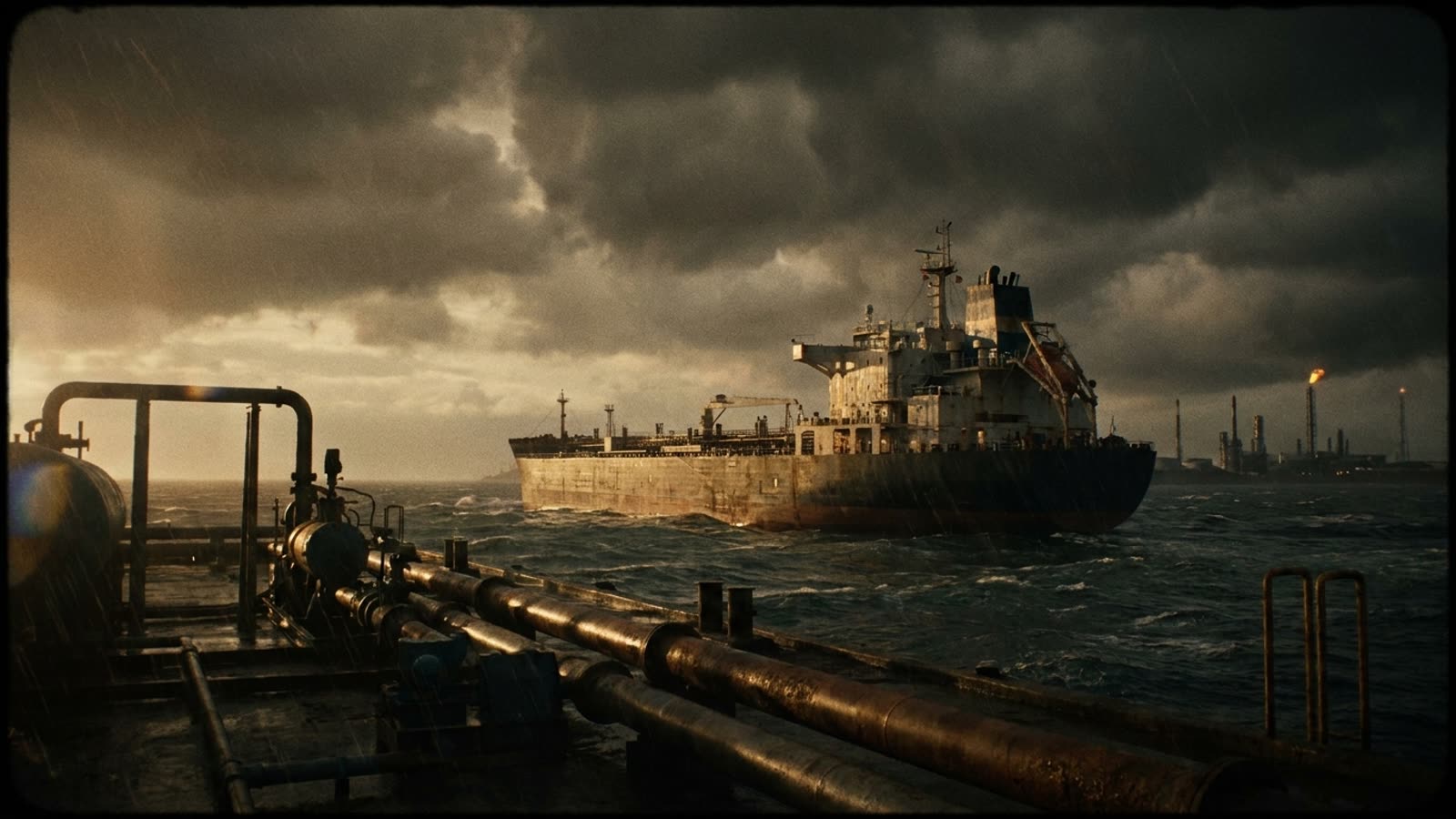
Oil markets had largely priced out geopolitical risk after the spring's flare-up subsided. That complacency is now unwinding. Shipping insurers have begun quoting higher premiums for tankers transiting the Strait of Hormuz, and options markets show elevated demand for upside protection on crude. The specifics of the latest Iran tensions remain murky—intelligence agencies are reportedly tracking unusual military movements—but traders are not waiting for clarity. In commodity markets, uncertainty itself is bullish for prices.
The timing is awkward for the White House, too. With an election less than two weeks away, rising gasoline prices are the kind of pocketbook issue that can shift undecided voters. The administration has limited tools: the Strategic Petroleum Reserve, already drawn down substantially in 2022, offers only marginal relief, and jawboning OPEC+ has produced diminishing returns.
What the Fed sees
Central bankers have spent the past year insisting that energy shocks are transitory—a word they once retired in embarrassment—and that core inflation, which excludes food and fuel, is the true north star. That framing works until it doesn't. Sustained oil prices above $110 tend to bleed into transportation costs, plastics, fertilizers, and eventually wages as workers demand compensation for higher commuting expenses. The second-round effects are what keep Fed governors awake.
The December meeting now looks considerably more fraught. Futures markets had been pricing in a 25-basis-point cut as nearly certain; those odds have slipped. A pause is not yet the base case, but it is no longer unthinkable. Powell's post-meeting press conference will need to thread a needle: acknowledge the energy shock without sounding panicked, and preserve optionality without appearing indecisive.
Our take
Oil at $117 is not a crisis—yet. But it is a reminder that the global economy remains hostage to a handful of choke points, and that the Fed's vaunted soft landing depends on variables far beyond its control. The central bank can manage demand; it cannot drill for oil or broker Middle Eastern diplomacy. If Iran tensions escalate further, the inflation story that seemed nearly closed will reopen with an unwelcome plot twist.