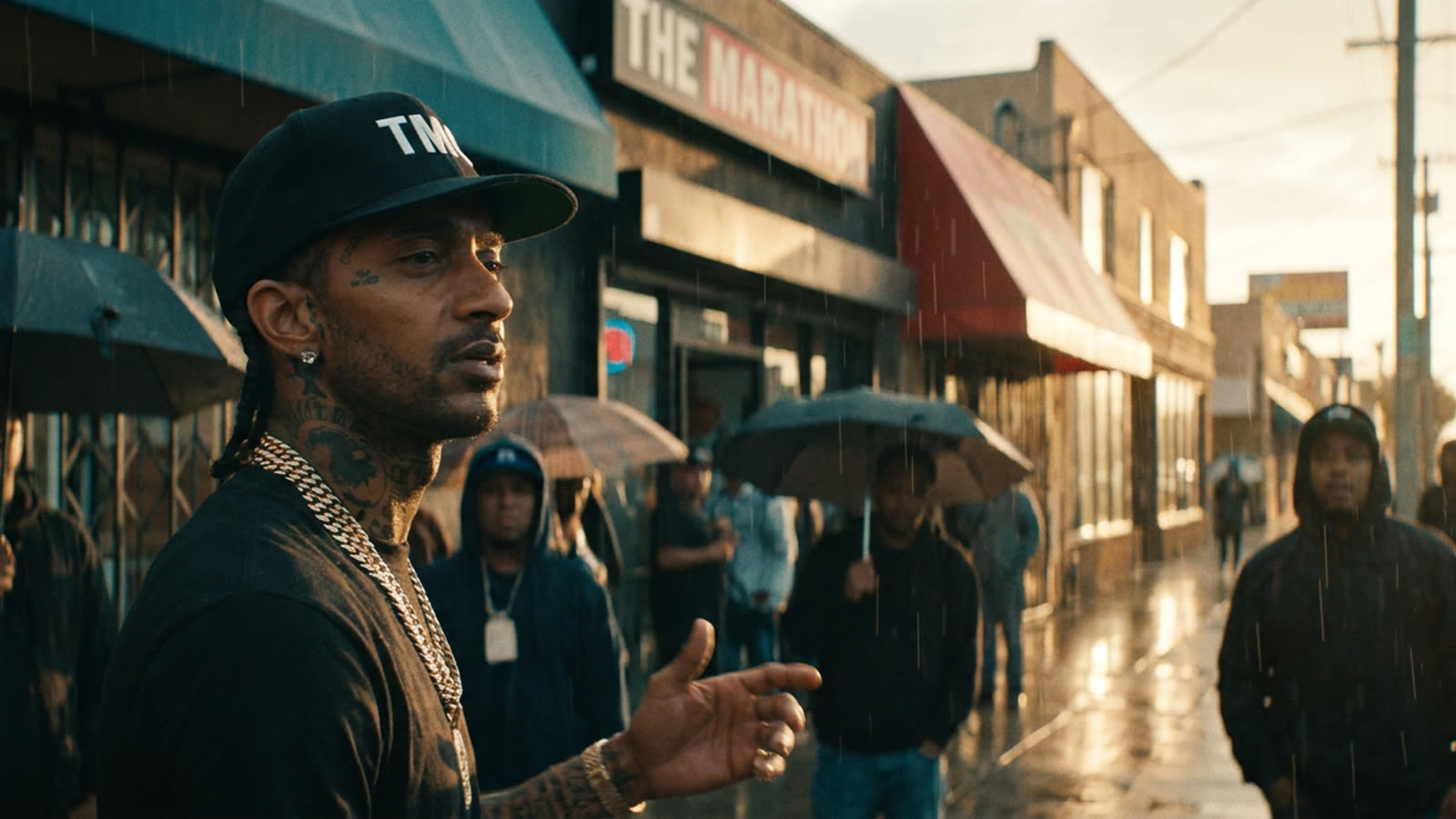
Ermias Asghedom built a fortune on patience — the slow accumulation of real estate, the deliberate cultivation of a brand, the marathon mentality he preached in his music. His children have now learned that lesson in the cruelest possible way.
More than six years after the rapper known as Nipsey Hussle was shot and killed outside his Marathon Clothing store in Los Angeles, his estate has finally distributed inheritances worth millions to his two children, Emani and Kross. The payout closes one chapter of a probate saga that has quietly illustrated how messy the intersection of sudden wealth, sudden death, and family complexity can become.
The arithmetic of a legacy
Nipsey died intestate — without a will — at 33. For someone who spoke constantly about ownership, about keeping control, about building generational wealth for his community, the oversight was jarring. California law dictated that his estate pass to his children, but the absence of clear instructions meant years of court supervision, accounting disputes, and the grinding bureaucracy of probate.
The estate itself was substantial: real estate holdings in the Crenshaw district he worked to revitalize, music royalties that continued to generate income posthumously, and the Marathon brand he had built into something more than merchandise. Estimates have placed the total value in the range of several million dollars, though exact figures remain partially shielded from public view.
Hip-hop's estate problem
Nipsey's situation is hardly unique. The hip-hop industry has produced extraordinary wealth over the past two decades, but it has also produced a generation of artists who came into money young, often without the infrastructure of financial advisors and estate planners that old-money families take for granted. Prince died without a will. Aretha Franklin left behind handwritten documents that sparked years of litigation. DMX's estate faced claims from multiple parties.
The pattern reflects a broader truth about sudden wealth: the legal and financial scaffolding required to preserve it across generations doesn't build itself. Nipsey talked a better game than most about economic empowerment, but talking and doing remain different things.
Our take
There is something both hopeful and melancholy in this resolution. Emani and Kross will grow up with resources their father worked hard to provide — but they will also grow up without him, their inheritance a reminder of absence as much as provision. Nipsey's legacy extends far beyond the dollar figures in a probate filing, but the filing itself is a lesson he might have appreciated: ownership requires paperwork, and marathons require finishing.