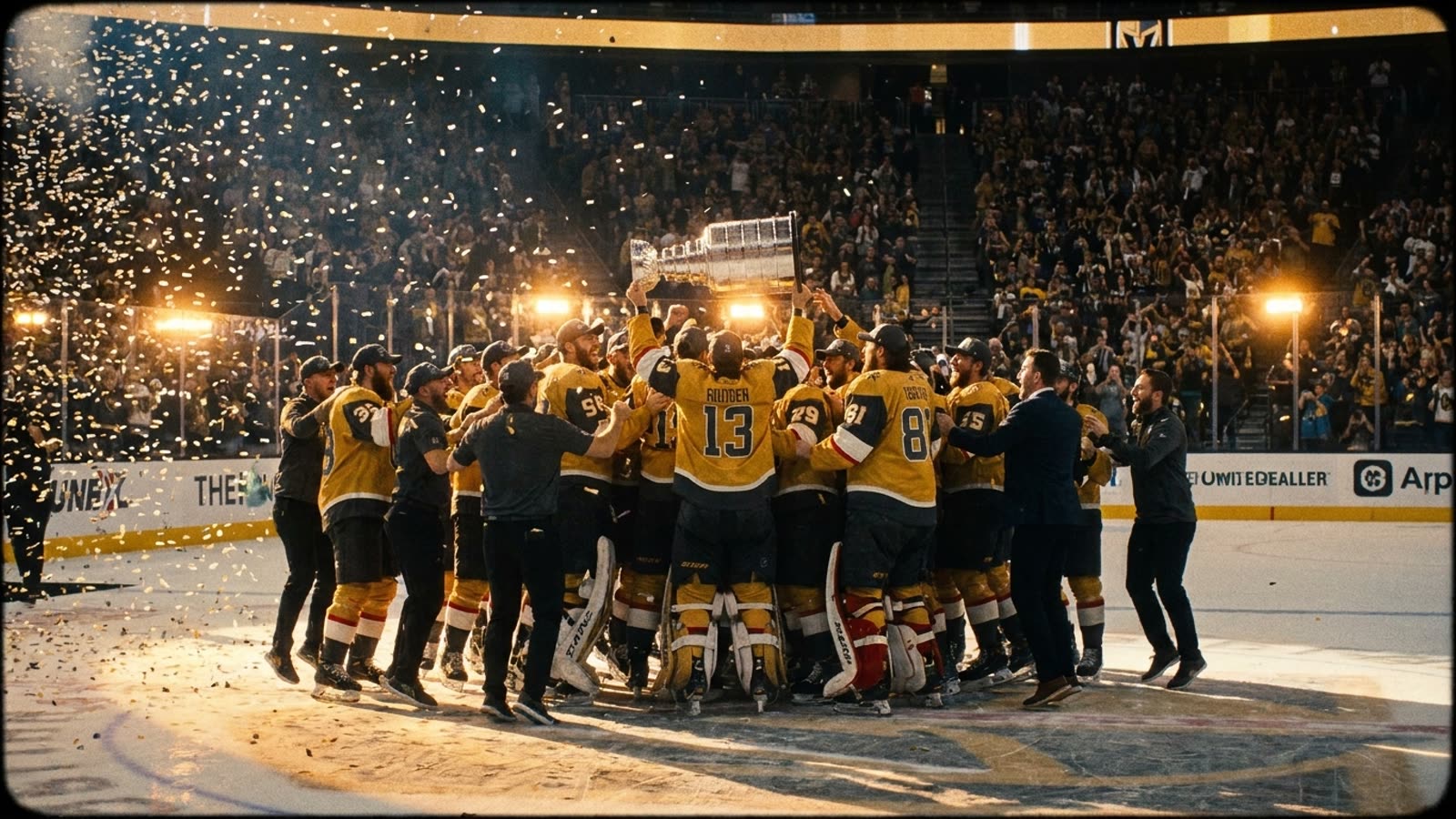
The NHL's conference finals are upon us, and the four teams still standing couldn't have taken more divergent paths to get here.
What makes this semifinal round particularly compelling isn't just the quality of hockey on offer — it's the organizational philosophies now being stress-tested under the brightest lights. We have franchises built through patient drafting, others assembled via aggressive trade-deadline acquisitions, and at least one that has essentially bet its future on a two-year championship window. The outcomes will reverberate through front offices for years.
The construction question
Modern NHL roster-building has become an exercise in managed contradictions. The salary cap demands creativity; the flat cap era that followed the pandemic years forced general managers to choose between depth and star power. Some chose to lock up their core players long-term and fill around them with entry-level contracts and bargain veterans. Others have embraced a more volatile approach: renting expensive pieces at the deadline, mortgaging draft capital for immediate returns.
The teams remaining have each answered this question differently, and the conference finals will serve as a referendum on their choices. Patient development versus aggressive acquisition. Homegrown stars versus imported mercenaries. The NHL has never had a single formula for championship success, but the variance among this year's final four is unusually stark.
What the matchups reveal
Playoff hockey has always been a different sport than the regular season — slower, tighter, more dependent on goaltending and defensive structure than offensive fireworks. The teams that thrive in June are typically those that can win 2-1 games without panicking, that have the depth to absorb injuries, and that possess at least one line capable of manufacturing offense against suffocating defensive systems.
The conference finals will test all of these attributes. Coaching adjustments become more granular as the rounds progress; by now, every team has extensive video on their opponents and has identified the specific tendencies to exploit. The margins shrink. The pressure compounds.
Our take
The NHL's final four represent something increasingly rare in professional sports: genuine uncertainty. There's no overwhelming favorite, no team that would shock anyone by hoisting the Cup, and no obvious weak link that lucked into the semifinals. For a league that has struggled at times to capture mainstream attention, this is the ideal scenario — four legitimate contenders, each with a compelling narrative, each representing a different theory of how to win in the cap era. The hockey will be excellent. The organizational lessons will be even better.