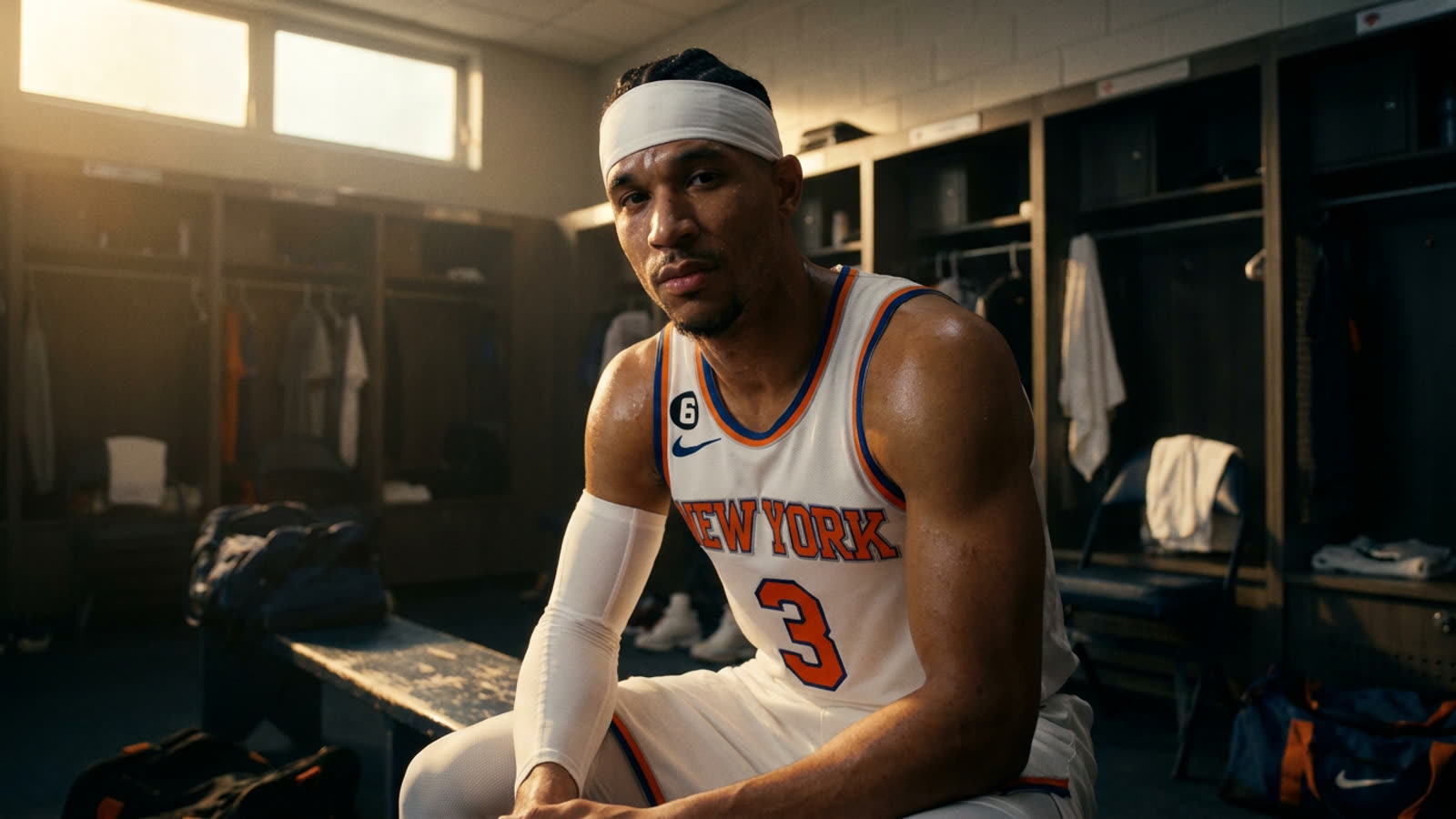
The games that matter most are still being played, but the games that matter longest are already being planned. As the Knicks and Thunder chase conference finals berths, general managers across the league are quietly running scenarios on a free agency class that promises to be the most consequential in years.
The 2026 market isn't defined by a single transcendent talent—no LeBron-to-Miami moment awaits—but by unusual depth at positions of scarcity. Multiple starting-caliber centers, a handful of two-way wings, and at least three point guards who can run a playoff offense will hit the market simultaneously. For teams that whiffed on the 2024 and 2025 classes, this is the correction.
The market's real currency
Cap space, as ever, is unevenly distributed. The rebuilding franchises—Detroit, Washington, Charlotte—have room but lack the rosters to attract max-level talent. The contenders who need a final piece—Miami, Philadelphia, the Lakers—are capped out and hunting for minimum deals and mid-level exceptions. The sweet spot belongs to teams like Oklahoma City and Memphis: young cores, bird rights on their own players, and the flexibility to make one aggressive external move without mortgaging the future.
What's changed this cycle is the second apron's bite. Teams above it face such punishing restrictions on sign-and-trades and draft pick movement that several front offices have already signaled they'll duck under rather than chase marginal upgrades. That restraint creates opportunity for mid-market teams willing to pay the tax for a single summer.
The names to watch
The headliners are familiar. A handful of All-Star-caliber players can opt out, and at least two are expected to do so. But the real action will be in the second tier: the role players who separate good teams from great ones. Switchable defenders who can guard one through four, stretch bigs who protect the rim, backup point guards who don't collapse in April—these are the players who command $15-20 million annually and often decide playoff series.
Teams learned from the 2024 market, when several franchises overpaid for shooting and ignored defense. The result was a postseason dominated by teams with two-way depth. This summer, expect defense to command a premium again.
Our take
Free agency coverage tends to obsess over the splashy signings while ignoring the structural forces that shape them. The real story this summer isn't which star lands where—it's how the second apron has created a two-tier league, and whether mid-market teams can exploit the gap before the next CBA negotiation closes it. The Knicks and Thunder are already proof of concept: draft well, develop internally, spend strategically. Everyone else is trying to copy the homework.