The NBA has always sold proximity as its premium product. Unlike the NFL's distant sidelines or baseball's dugout moats, basketball puts celebrities close enough to trash-talk players, and players close enough to land in their laps. That intimacy is worth billions — until someone decides to test its limits with a smartphone and a dream of viral fame.
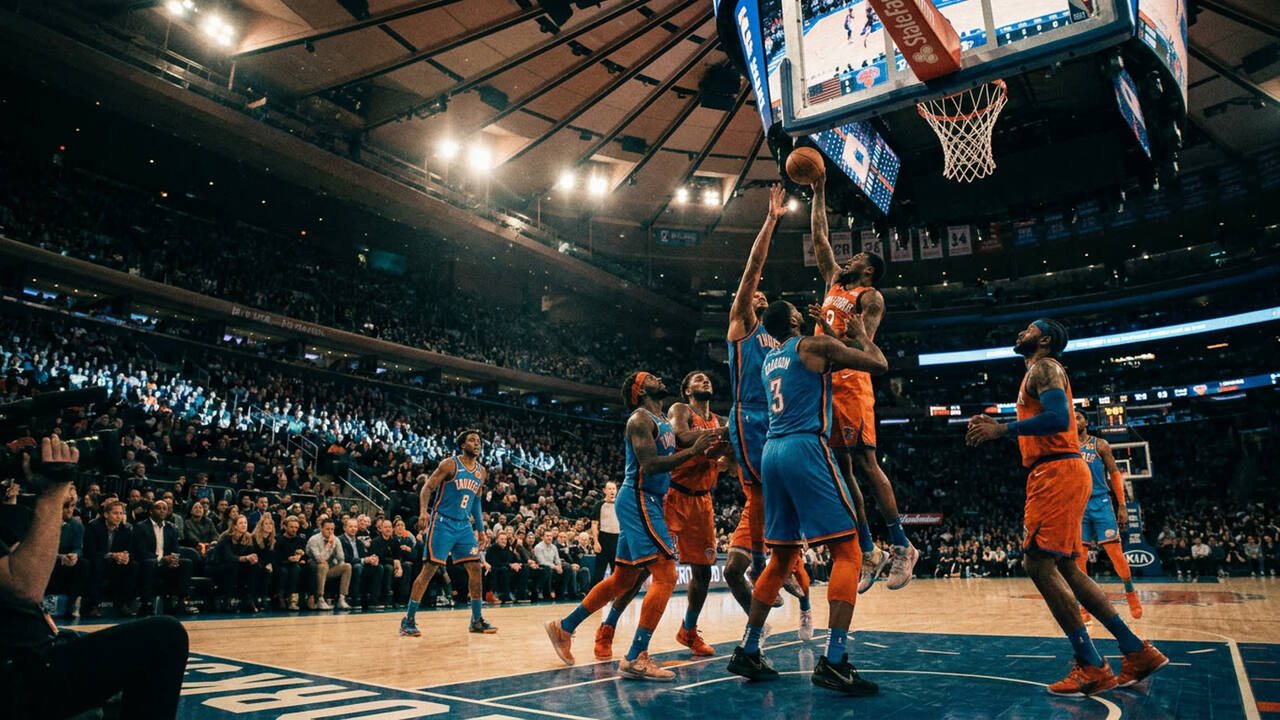
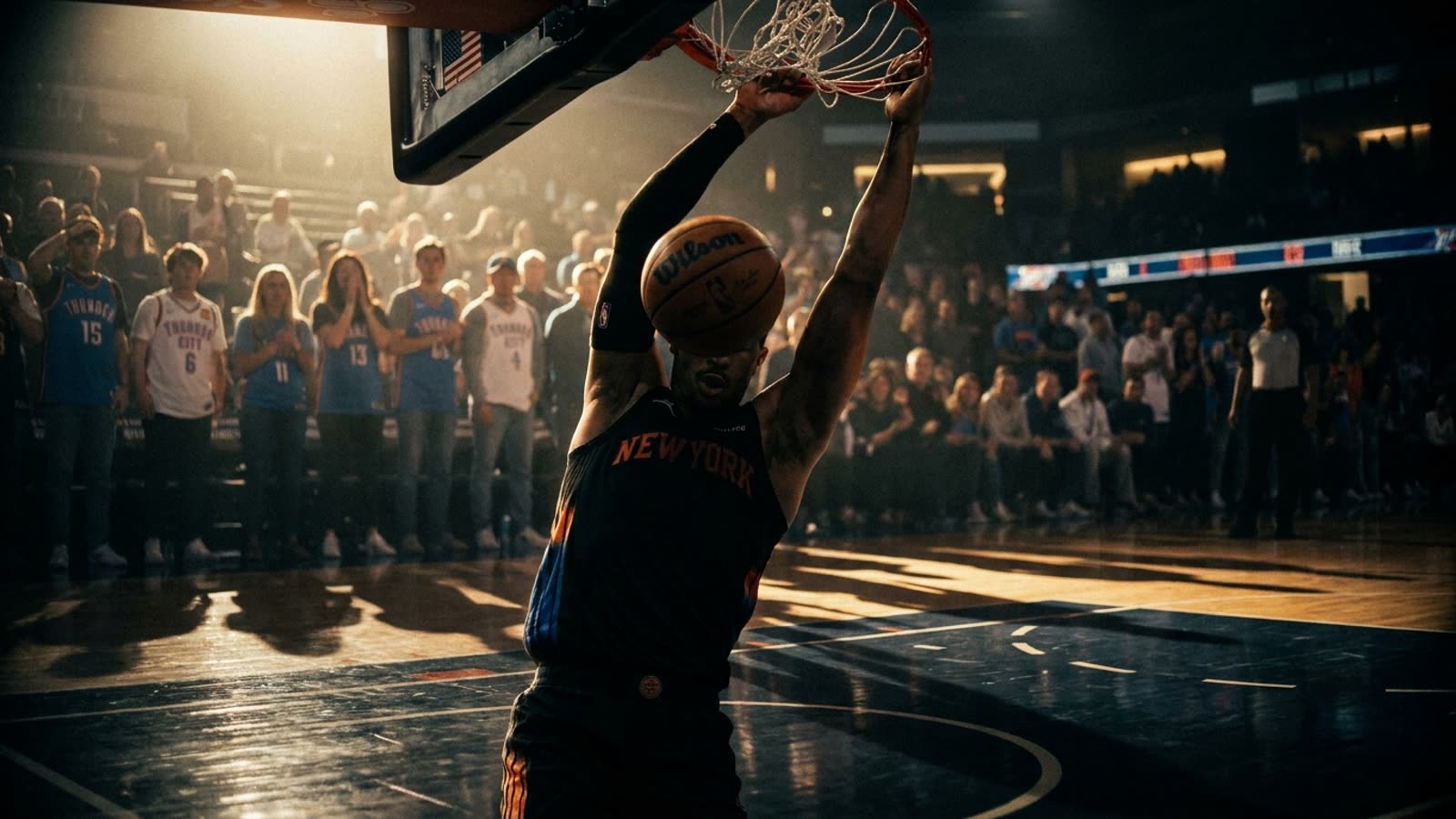
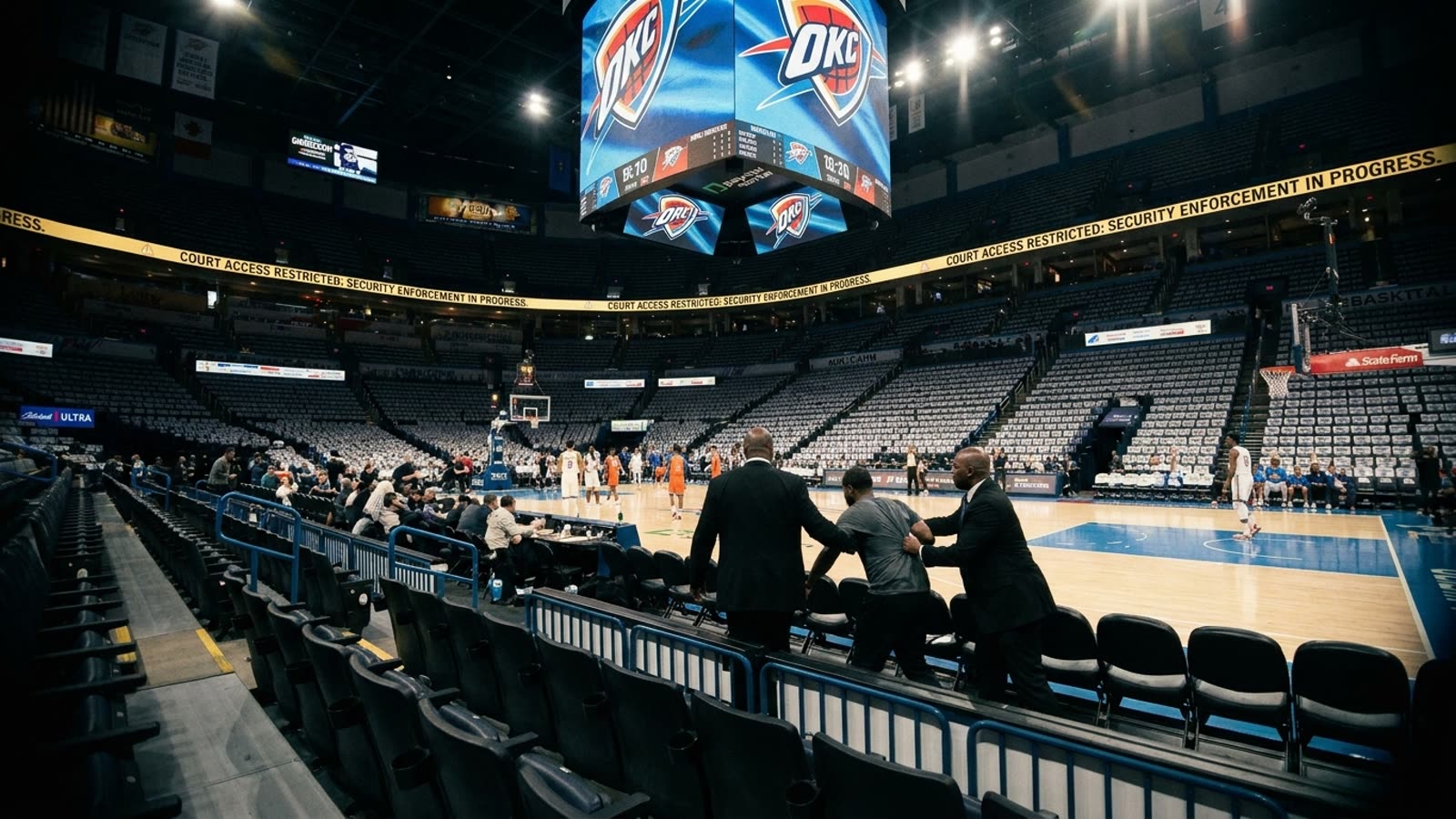
Two fans at Madison Square Garden learned this lesson the hard way during Game 1 of the Finals, when they left their seats and attempted to reach the court for a selfie. Security intervened before they got their shot. The NBA's response was swift and unambiguous: lifetime bans for both, with potential criminal trespassing charges pending in New York.
The economics of access
Courtside seats at a Finals game now routinely exceed $50,000 on the secondary market. At those prices, the ticket itself becomes a kind of dare — a suggestion that the buyer has purchased not just a view but a relationship with the spectacle. Social media has only amplified this delusion. A courtside selfie with a player in frame can generate more engagement than most influencers see in a month, creating perverse incentives for the terminally online.
The NBA has tolerated a remarkable amount of fan behavior in exchange for the atmosphere courtside creates. Heckling is permitted, even encouraged. Physical contact during plays is an accepted hazard. But the league draws a hard line at fans entering the playing surface, and the post-pandemic era has seen enforcement tighten considerably. The Monica Seles stabbing in 1993 remains the sports world's cautionary tale about what happens when spectator access meets deranged intent.
Why now matters
The timing of these bans is not coincidental. The NBA is negotiating its next media rights deal, reportedly seeking north of $75 billion over eleven years. Networks paying that premium expect a controllable product, not viral chaos that makes the league look like it cannot secure its own showcase event. Commissioner Adam Silver has spent a decade cultivating the NBA's image as the most progressive, most accessible major sports league. That brand depends on the illusion that proximity is safe — that the celebrities in the front row and the players on the court exist in a mutually beneficial ecosystem rather than a security nightmare waiting to happen.
Lifetime bans send a message that resonates beyond two foolish fans. They tell the wealthy ticket-holders that their money does not buy immunity, and they tell the networks that the NBA takes the integrity of its broadcast product seriously. Whether they actually deter future incidents is another question entirely. The same social media dynamics that incentivize court-rushing also guarantee that these bans will be tested again, probably soon.
Our take
The NBA is selling a contradiction: intimacy without consequences, access without accountability. For years, the league has profited from the frisson of fans being close enough to touch greatness while trusting that almost no one would be stupid enough to try. These lifetime bans acknowledge that trust has eroded. The beautiful fiction of the courtside experience — that everyone present is sophisticated enough to understand the unwritten rules — has collided with the reality of an attention economy that rewards transgression. The league chose enforcement over vibes. Given the stakes of the next TV deal, it was the only rational choice.