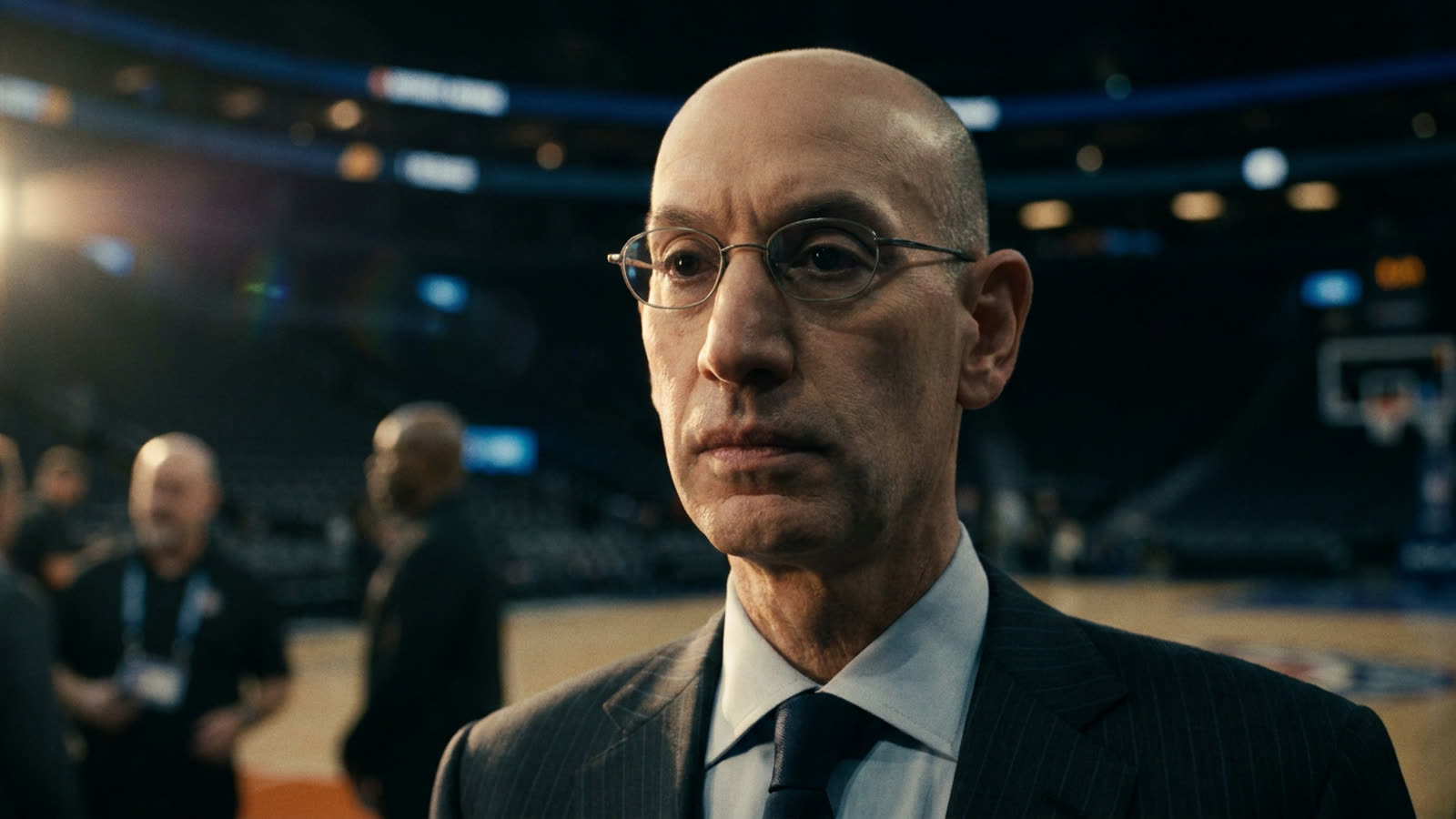
The NBA has spent the better part of a decade tinkering with its draft lottery, flattening odds and adding wrinkles, all in pursuit of a simple goal: make losing on purpose less attractive. None of it has worked particularly well. Now, with the league preparing to present yet another overhaul to its board of governors, Adam Silver is effectively conceding that the sport's incentive structure remains broken.
The commissioner confirmed the proposal—dubbed the '3-2-1 lottery'—on Stephen A. Smith's radio show Wednesday. While full details remain under wraps, the framework reportedly reduces the lottery advantage for teams at the very bottom of the standings, attempting to close the gap between being bad and being historically terrible.
The problem that won't die
Tanking, or its polite cousin 'rebuilding,' has become an accepted phase of NBA team-building. The 2019 lottery reform was supposed to fix this by giving the three worst teams equal 14% odds at the top pick, rather than rewarding the absolute cellar-dweller. Instead, teams simply adjusted their calculus: if you can't guarantee a top pick, you might as well be bad enough to ensure a top-four selection. The result has been seasons featuring multiple franchises openly competing for mediocrity, alienating local fanbases and diluting the on-court product.
The league's television partners have noticed. So have the players, who increasingly view lottery-bound rosters as career graveyards rather than opportunities.
What '3-2-1' might actually do
The proposal's name suggests a tiered reward system that could invert traditional logic—perhaps offering diminishing returns for each additional loss below a certain threshold, or weighting lottery position toward teams that improved late in the season. Silver has hinted at wanting to reward 'competitive intent,' a phrase as slippery as it sounds. The challenge is designing a system that doesn't punish genuinely bad teams for being genuinely bad, while still discouraging executives from instructing coaches to rest healthy players in April.
Early reactions from team executives have been mixed. Franchises currently in rebuilding cycles have obvious reasons to resist, while contenders see little downside to making the path back to relevance harder for their competitors.
Our take
The NBA's tanking problem is structural, not mechanical. As long as a single draft pick can transform a franchise—and as long as max contracts ensure stars cluster on a handful of teams—there will be rational incentives to bottom out. No lottery formula can fully solve a problem rooted in the sport's economic architecture. The '3-2-1' proposal may reduce the most egregious tank jobs, but it's treating symptoms rather than disease. Silver knows this, which is why he keeps returning to the drawing board. The real question isn't whether this reform will work—it's how long until the next one.