For months, NBA front offices operated under a comfortable illusion: the 2026 draft class was knowable, its hierarchy settled. Then the combine happened, and the spreadsheets caught fire.
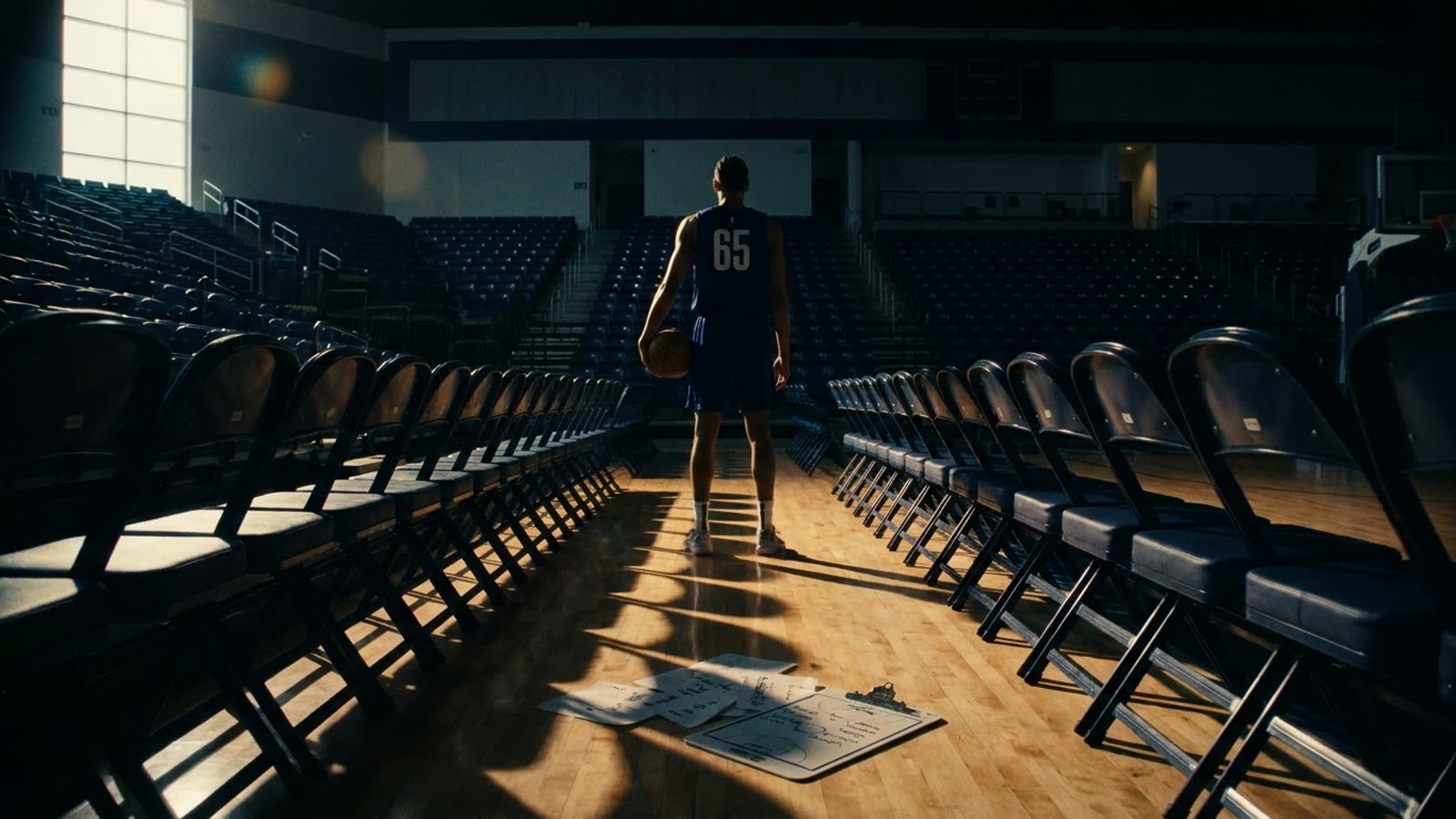
The annual pre-draft showcase in Chicago has always been part theater, part science—a place where wingspan measurements can add millions to a contract and a disappointing vertical leap can crater a prospect's stock overnight. But this year's event produced an unusually volatile set of outcomes, with several projected lottery picks rising or falling by five or more slots in updated mock drafts. The combine's five-on-five scrimmages, which NBA teams increasingly treat as meaningful game film rather than glorified pickup runs, revealed conditioning issues in some prospects and surprising competitive instincts in others.
The measurement game
Physical testing remains the combine's most concrete contribution to the evaluation process. Teams obsess over hand size, standing reach, and body-fat percentage because these numbers don't lie the way college statistics can. This year's measurements surfaced a few pleasant surprises—prospects whose frames project better than game tape suggested—and a few cautionary flags. One highly-touted guard reportedly measured shorter than his listed height by nearly two inches, a discrepancy that matters enormously when projecting defensive versatility at the next level. Front offices have learned the hard way that you cannot teach length.
Medical red flags and the information asymmetry
The combine's medical evaluations are conducted in strict confidence, but information leaks. Teams share doctors, agents talk, and by the end of the week a rough consensus emerges about which prospects carry injury risk. This year, whispers about knee and back concerns have attached themselves to at least two players previously considered top-ten locks. Whether those concerns are legitimate or strategic disinformation planted by rival teams hoping to see a target fall—a time-honored draft tradition—remains unclear. The asymmetry of medical information is one of the draft's most consequential market inefficiencies.
Why scrimmages matter more than ever
The five-on-five games used to be dismissed as meaningless exhibitions where no one played defense. That reputation has changed. Teams now send their most trusted evaluators to watch prospects compete against genuine peers rather than overmatched college opponents. The scrimmages reveal who talks on defense, who sets screens without the ball, who wilts when the moment tightens. Several prospects reportedly elevated their stock simply by demonstrating leadership qualities that don't show up on a stat sheet. Others, accustomed to being the best player on their college roster, looked ordinary when surrounded by equals.
Our take
The draft combine exists to inject chaos into a process that pretends to be orderly. Front offices spend millions on scouting infrastructure, analytics departments, and psychological profiling, yet a single week in Chicago can overturn months of careful evaluation. This is a feature, not a bug. The NBA draft rewards teams that synthesize information quickly and trust their own eyes over consensus rankings. The franchises that win June's lottery will be the ones that watched this week's scrimmages and saw something everyone else missed—or had the discipline to ignore the noise entirely.