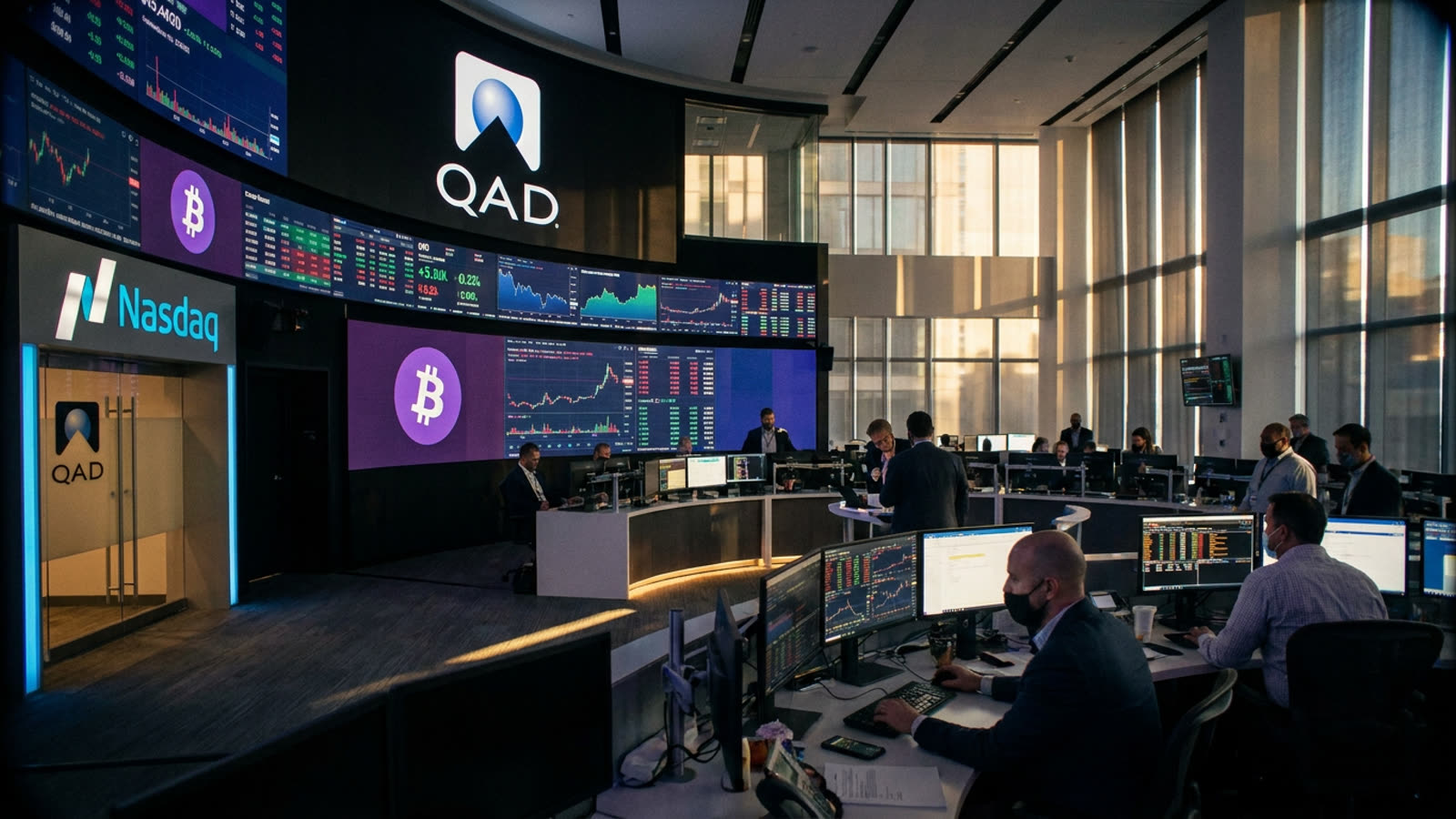
For years, the implicit bargain between Wall Street and crypto was simple: Bitcoin could exist, even thrive, but it would do so in its own sandbox. Coinbase for the curious, CME futures for the institutional dabblers, and a gentleman's agreement that the real derivatives infrastructure—the options chains where volatility is priced and hedged—would remain the province of equities and commodities with longer pedigrees. Nasdaq's imminent launch of Bitcoin options ends that arrangement.
The development is less about what retail traders can now do (they have had options access through less regulated venues for years) and more about what institutional desks must now acknowledge: Bitcoin has earned a seat at the same table as the S&P 500 and crude oil.
Why options matter more than ETFs
The spot Bitcoin ETFs that launched in early 2024 were celebrated as crypto's institutional arrival, but they were always a passive instrument—a way to gain exposure without engaging with the asset's most distinctive feature, its volatility. Options change the calculus entirely. They allow pension funds to write covered calls, macro funds to express directional views with defined risk, and market makers to provide liquidity in ways that dampen the savage swings that have defined Bitcoin's history.
Nasdaq-listed options also bring standardisation that offshore venues cannot match: regulated clearing, transparent pricing, and the imprimatur of an exchange that traces its lineage to 1971. For compliance departments that have spent years saying "we cannot touch this," the excuse has evaporated.
Timing is not accidental
The approval lands as Bitcoin trades above $77,000 and oil's slide on Iran peace hopes has pushed risk assets broadly higher. Regulators, ever sensitive to headlines, rarely greenlight novel products during bear markets. The current environment—elevated prices, improving sentiment, and a political climate less hostile to digital assets than it was two years ago—created the window. Nasdaq walked through it.
Our take
Crypto partisans will frame this as validation; sceptics will mutter about casinos gaining respectability. Both miss the point. The significance is structural, not moral. Once options exist on a major exchange, the asset class becomes legible to the entire apparatus of modern finance—from risk models to prime brokerage to insurance underwriting. Bitcoin is no longer knocking on the door of traditional markets. It has keys to the building.