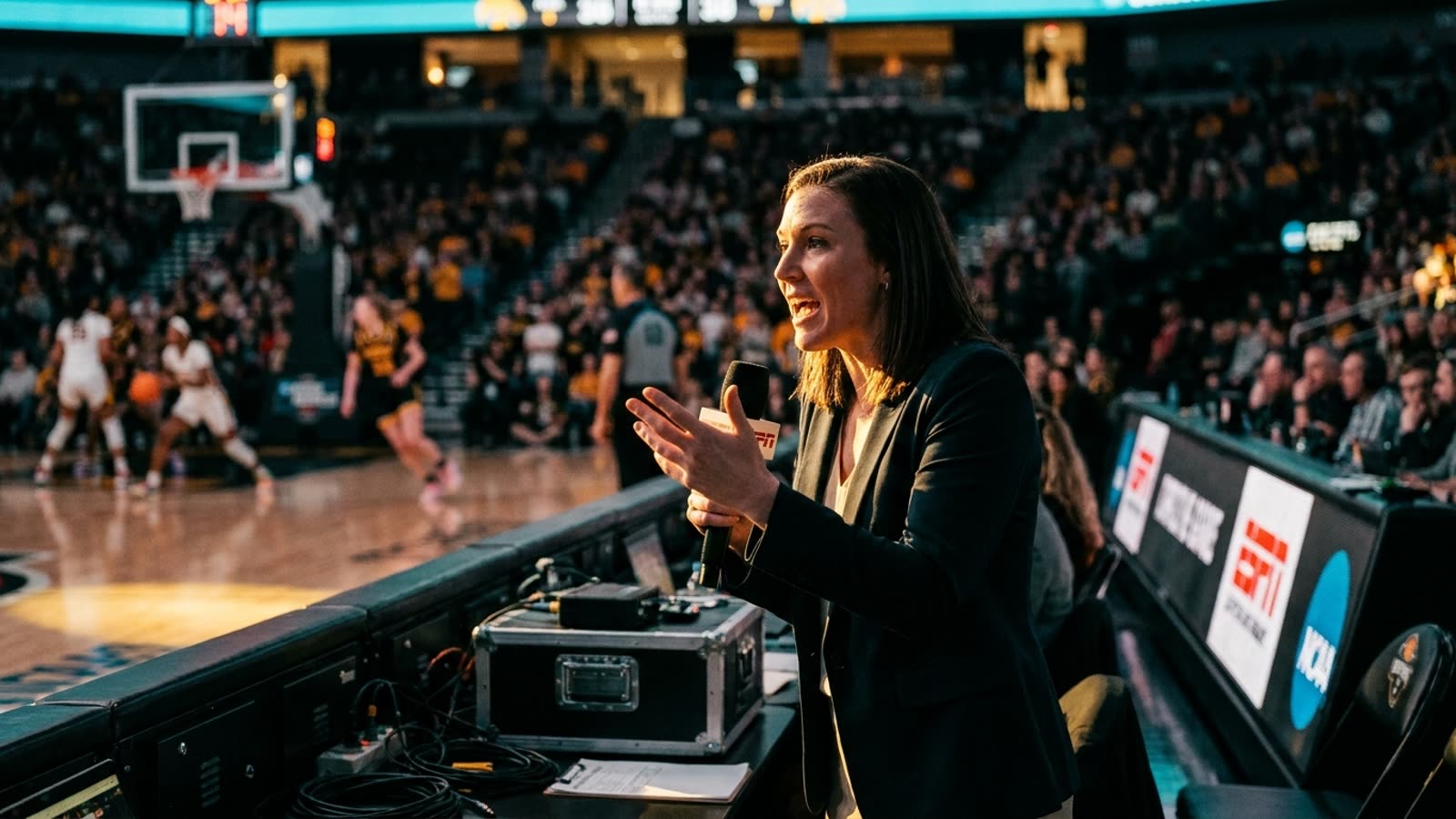
The original comment was barely a jab. During the Knicks' improbable Game 4 comeback, ESPN radio personality Monica McNutt made a passing remark about Taylor Swift's ubiquitous presence at sporting events — the kind of observational humor that has been staple sports-radio fare for decades. Within hours, McNutt issued a public apology.
The speed of the capitulation is the story. Not because McNutt was wrong to apologize if she felt her words were misconstrued, but because the entire episode illuminates the new hierarchy of untouchable subjects in American sports media. Athletes can be criticized. Coaches can be mocked. Owners can be vilified. But the celebrity-industrial complex that increasingly orbits professional sports operates under different rules.
The Swift industrial complex
Swift's relationship with NFL tight end Travis Kelce has transformed her from occasional sports spectator to permanent fixture in broadcast coverage. Networks have learned that cutting to her reactions drives social engagement. The NFL, never one to ignore a demographic opportunity, has embraced her presence as a gateway to younger female viewers. This is all commercially rational.
What's less rational is the apparent consensus that acknowledging this dynamic — even gently, even humorously — constitutes a transgression requiring public penance. McNutt's original comment reportedly questioned whether Swift's visibility at games had become excessive. This is an opinion held by a substantial portion of sports fans, expressed constantly on social media, and entirely defensible as commentary.
The apology economy
The mechanics of the modern media apology have become ritualized to the point of meaninglessness. Someone says something. A subset of the internet expresses outrage. The speaker apologizes. Everyone moves on. The cycle serves no one's interests except the platforms that profit from engagement.
McNutt is a respected analyst who has built her reputation on thoughtful basketball commentary. That she felt compelled to address a throwaway line about a pop star's sports-adjacent fame suggests the boundaries of acceptable discourse have contracted considerably. The message to other commentators is clear: some subjects are simply not worth the hassle.
Our take
The problem isn't Taylor Swift, who has done nothing wrong by attending her boyfriend's games or basketball playoffs. The problem is a media ecosystem so terrified of fan armies and engagement metrics that mild observational humor triggers immediate institutional retreat. Sports commentary used to be a space for irreverence. If hosts can't make gentle jokes about celebrity culture without issuing formal apologies, the broadcast booth has become just another venue for brand management.