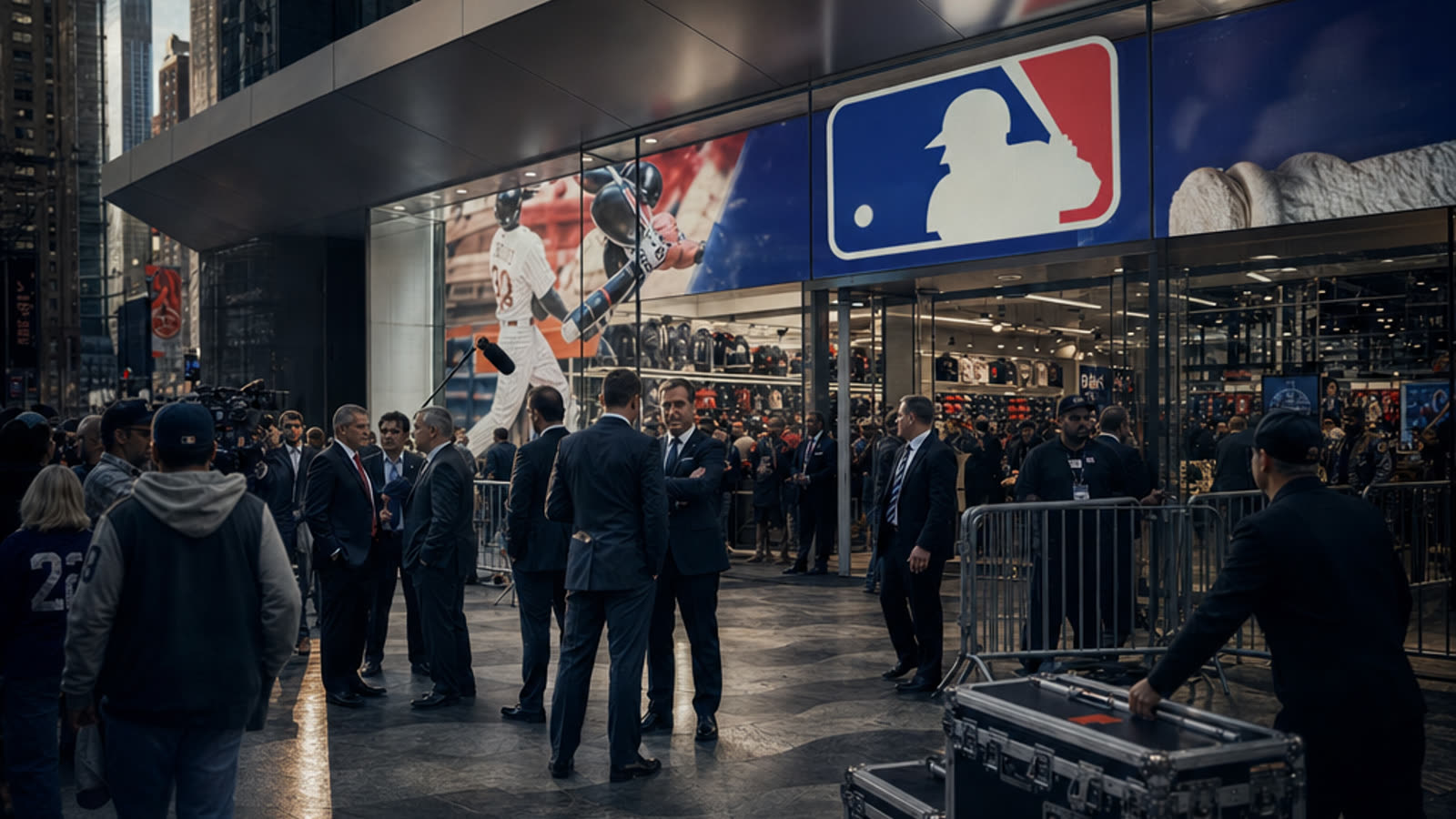
The 2026 MLB playoffs have delivered exceptional baseball — dramatic finishes, unlikely heroes, the usual October magic. But behind the celebratory champagne sprays and ratings bumps, executives and players are quietly acknowledging an uncomfortable truth: this may be the last postseason before a labor confrontation that could dwarf the 2021-22 lockout.
The current collective bargaining agreement expires in December, and the fault lines are already visible. Owners, emboldened by the NFL and NBA's salary cap structures, are pushing harder than ever for competitive balance mechanisms that players view as thinly veiled cost controls. The union, meanwhile, is watching younger stars sign increasingly backloaded mega-deals while middle-class players face a shrinking market.
The cap question nobody wants to answer
MLB remains the only major North American sports league without a hard salary cap, and owners have spent years laying the groundwork to change that. Their argument — that competitive balance requires restraining the Dodgers and Yankees — polls well with fans in smaller markets. But the numbers tell a more complicated story.
League revenues have grown substantially since the last CBA, yet the share flowing to players has declined as a percentage of total revenue. Teams are more profitable than ever, and the competitive balance tax — baseball's soft cap — has done little to prevent large-market dominance. The Dodgers reached the postseason again this year despite (or because of) exceeding the luxury tax threshold.
Players are organizing differently this time
The union learned hard lessons from the 2021-22 lockout, when ownership's information advantage and player divisions weakened their bargaining position. This time, veteran players have been holding informal meetings throughout the season, and the union has invested heavily in economic analysis that challenges ownership's claims about team finances.
Several players interviewed during the playoffs emphasized a new willingness to endure a work stoppage rather than accept what they view as structural changes that would permanently reduce player compensation. The memory of the 99-day lockout remains fresh, but so does the frustration with its outcome.
Why this matters beyond baseball
A prolonged MLB labor dispute would test whether professional athletes can maintain solidarity in an era of massive individual wealth disparities within rosters. It would also set precedents for upcoming negotiations in other leagues. The NBA's CBA expires in 2029, and the NFL's in 2030 — both leagues will be watching closely.
More broadly, baseball's labor fight reflects tensions present across the American economy: record corporate profits, stagnant worker share of revenue, and fundamental disagreements about what constitutes fair compensation in industries where a small number of performers generate outsized value.
Our take
Ownership will frame this as competitive balance versus chaos. The union will frame it as workers versus billionaires. Both narratives contain truth and obfuscation in roughly equal measure. What's actually at stake is whether baseball's economic structure — the last holdout against hard caps in major American sports — can survive another negotiation. Our bet: it cannot, but the price of that change will be measured in missed games and diminished goodwill. Enjoy October while it lasts.