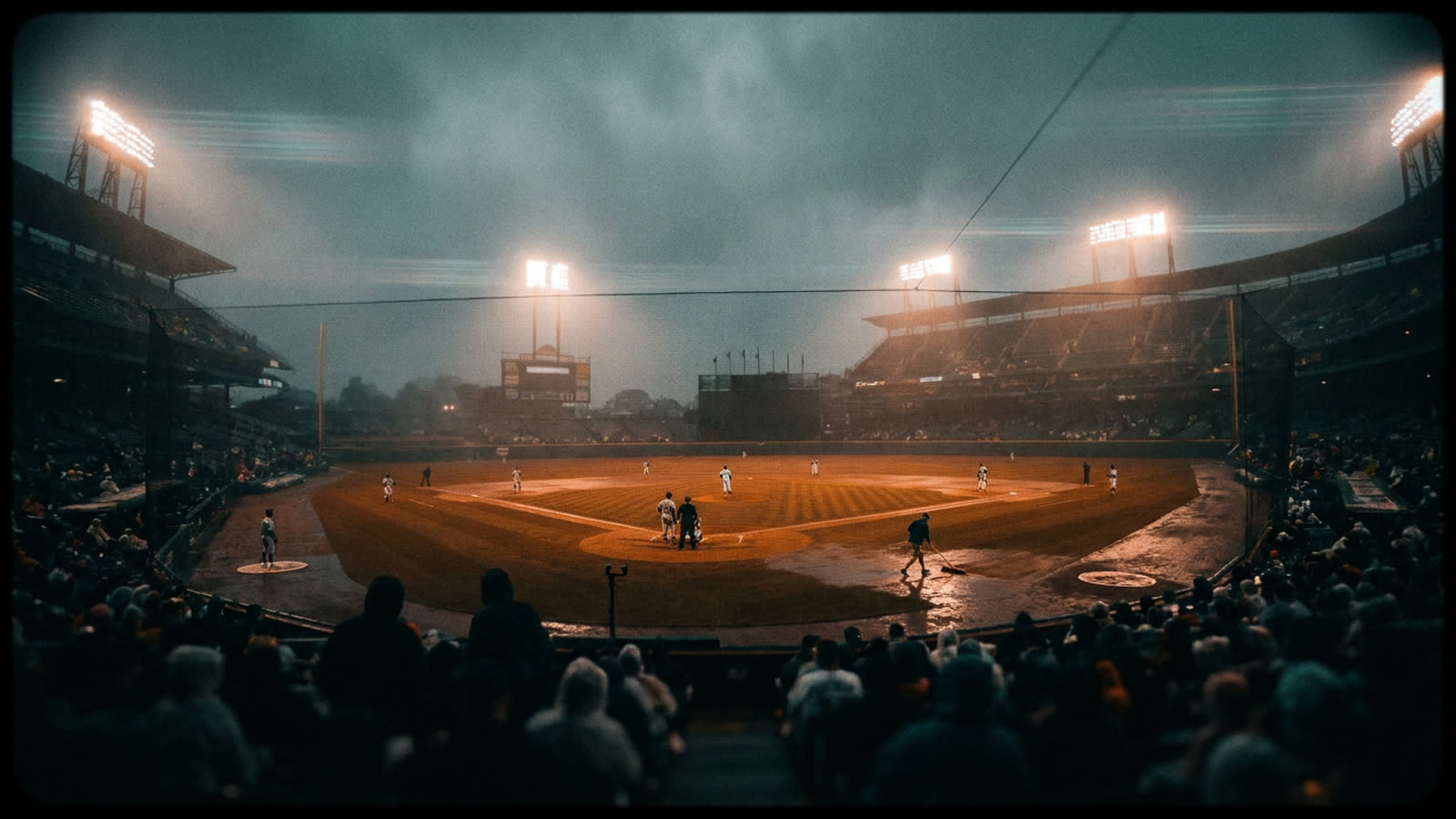
The calendar flipped to June and Major League Baseball's competitive landscape looks almost unrecognizable from Opening Day projections. May delivered the kind of month that reminds everyone why 162 games matter—and why preseason predictions belong in the recycling bin by Memorial Day.
The most striking development isn't any single team's performance but the wholesale inversion of expectations across both leagues. Clubs that entered the season with modest ambitions are suddenly calculating playoff odds, while franchises that spent aggressively over the winter are conducting emergency organizational reviews.
The Surge Stories
Kansas City's resurrection deserves the headline treatment. The Royals entered May with the cautious optimism of a team that might compete for .500 baseball. They exit it as legitimate American League contenders, riding a pitching staff that has quietly become one of the sport's most effective units. Their run differential suggests this isn't smoke and mirrors—the underlying performance metrics support sustained success.
Milwaukee continues its annual tradition of making national baseball writers look foolish. The Brewers lost significant pieces over the winter and were widely projected for a rebuilding year. Instead, their player development machine keeps producing, and their clubhouse culture keeps translating talent into wins. At some point, the industry should stop betting against this organization.
The Freefall Watch
New York's National League entry presents the most troubling case study. The Mets' payroll obligations demand October baseball, but their May performance suggested a team with fundamental roster construction problems that money alone cannot solve. The pitching has been inconsistent, the lineup has failed to produce in high-leverage situations, and the defense has been a quiet disaster. Owner Steve Cohen's checkbook remains open, but the trade deadline solutions available may not address what ails this roster.
The defending World Series champions have also stumbled, though their pedigree earns them more patience. Championship hangovers are real, and the grueling October run takes a physical toll that manifests in slow starts. Still, the margin for error in a competitive division shrinks daily.
Our take
May's chaos is baseball at its best—unpredictable, unforgiving, and utterly indifferent to payroll size. The sport's economic disparities remain real and problematic, but months like this one remind us that front office intelligence and organizational culture can still compete with raw spending power. The Royals and Brewers aren't flukes; they're proof that the game rewards smart process over expensive shortcuts. The Mets, meanwhile, are learning that you cannot simply purchase a championship-caliber roster. You have to build one.