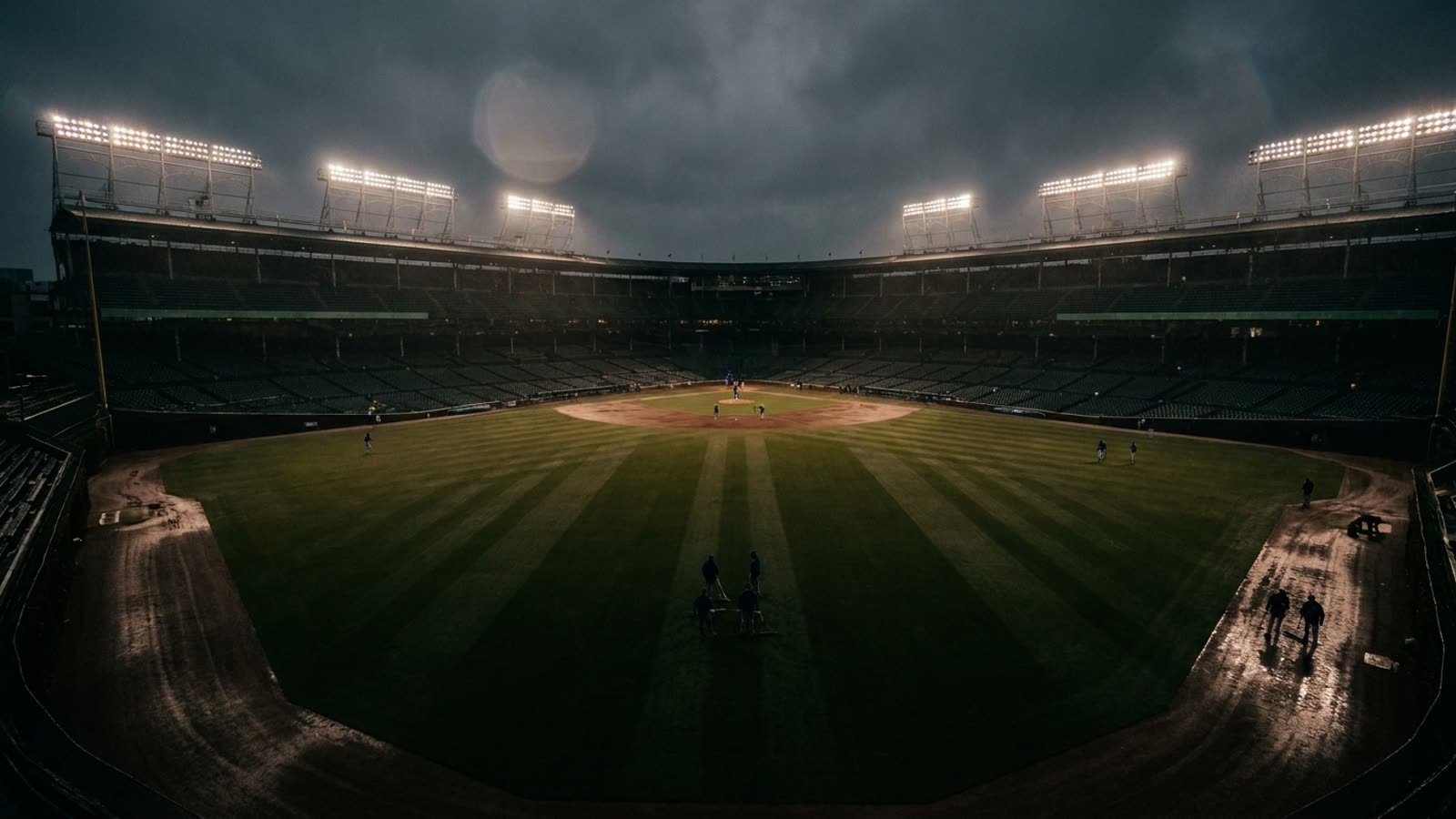
The proposal itself was never really in doubt. What matters is that Major League Baseball's owners have now formally introduced a salary cap — and crucially, a salary floor — into labor negotiations, marking the first time since the catastrophic 1994 strike that management has explicitly sought to cap player spending.
This is not posturing. This is a declaration of intent.
The economics of inevitability
Baseball's labor peace since 1995 has been purchased through a careful dance: owners got luxury taxes and revenue sharing, players got free agency protections and arbitration rights, and both sides pretended the fundamental tension between uncapped spending and competitive balance didn't exist. That fiction has become unsustainable.
The gap between the highest and lowest payrolls has stretched past $250 million. Small-market teams have adopted tanking as business strategy. The players' share of revenue has declined for a decade. Something had to give, and owners have decided it should be the players' theoretical ceiling rather than the owners' practical floor.
Why the floor matters more than the cap
The inclusion of a salary floor is the tell. Owners have always wanted spending limits; they've never wanted spending requirements. By bundling both together, MLB is attempting to reframe the conversation: this isn't about suppressing player salaries, it's about competitive balance and forcing cheap owners to invest.
It's a clever rhetorical move. It's also transparently self-serving. A cap-and-floor system would compress salaries toward the middle, benefiting mid-market teams while limiting both the upside for elite free agents and the downside for penny-pinching ownership groups. The players' union will see through it immediately.
The ghost of 1994
The last time owners proposed a salary cap, players walked out in August 1994 and didn't return until April 1995. The World Series was cancelled. Baseball's cultural dominance never fully recovered. Both sides have institutional memory of that disaster, but institutional memory fades. The commissioners and union leaders who lived through 1994 are gone. The current negotiators know the history; they don't feel it in their bones.
Our take
MLB owners are betting that thirty years of labor peace have made players soft, that the union's younger members don't have the appetite for a prolonged fight. They may be right. But they're also betting that fans will blame players for any work stoppage, and that calculation is far less certain. Baseball already struggles with relevance among younger audiences. Another cancelled season — or even a delayed start — could accelerate the sport's cultural decline in ways that hurt owners far more than a few years of uncapped spending ever would. The owners wanted this fight. They should be careful what they wished for.