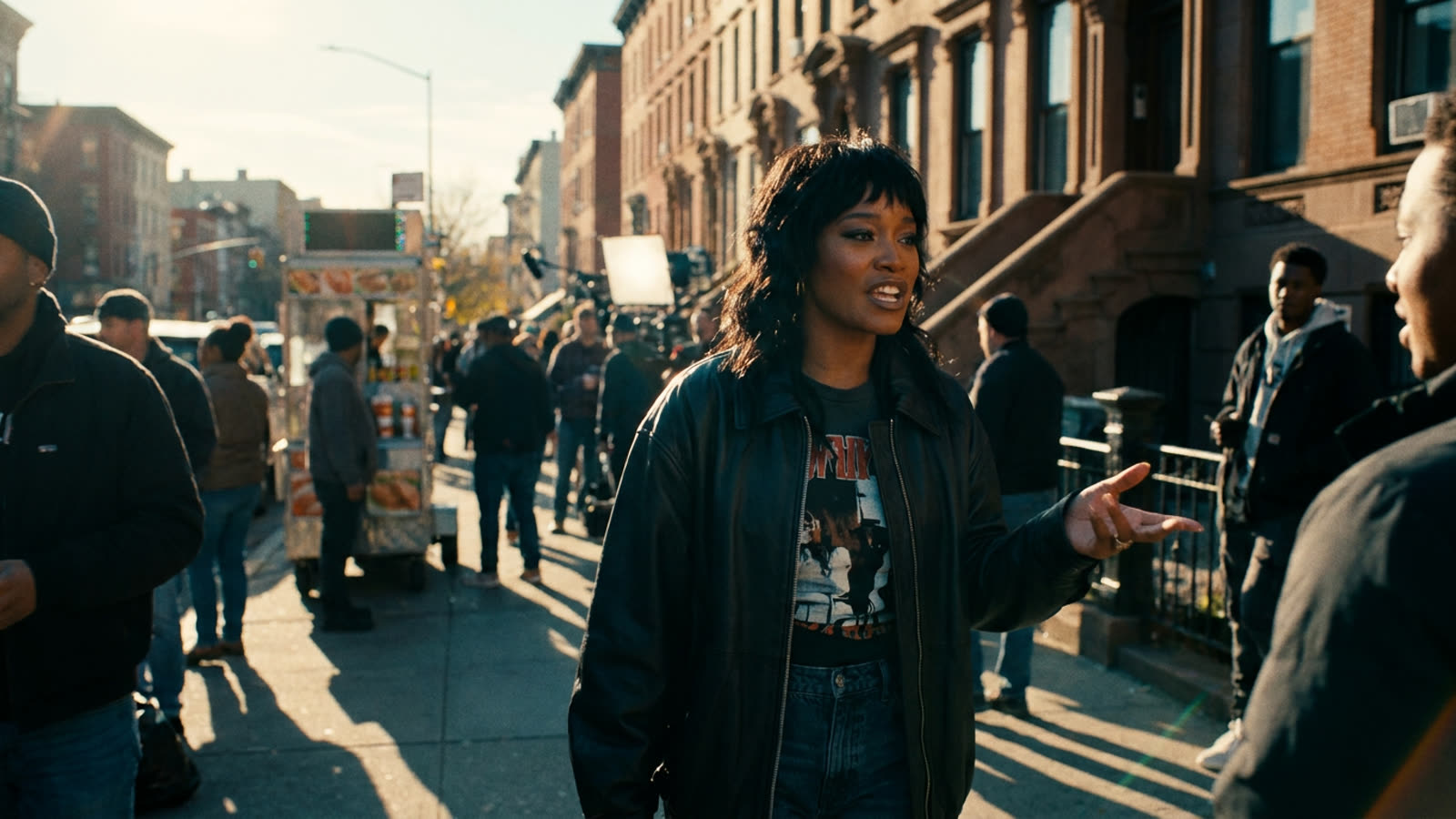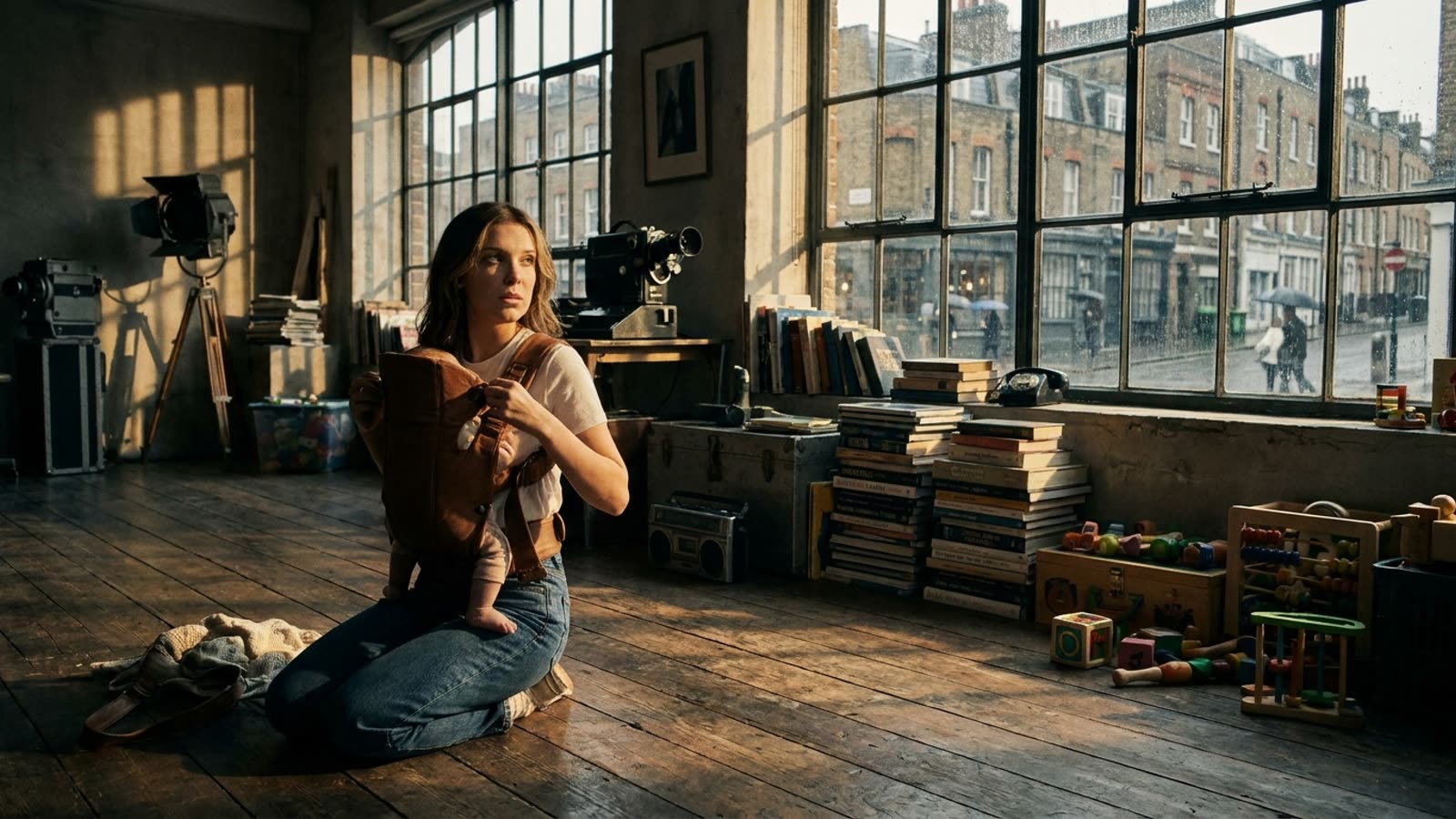
At twenty-two, Millie Bobby Brown has already survived the gauntlet that destroys most child stars: the Disney-to-disaster pipeline, the tabloid feeding frenzy, the inevitable "where are they now" spiral. Instead of rehab stints or erratic public meltdowns, she's been photographed this week doing something almost radical for young Hollywood—carrying a baby and bags, looking thoroughly ordinary, and appearing to enjoy it.
This is not how the script usually goes. The annals of child stardom are littered with cautionary tales: Lindsay Lohan's court dates, Amanda Bynes's conservatorship, the entire filmography of former Nickelodeon leads now doing confessional podcasts about their trauma. Brown, who became a global phenomenon at twelve playing Eleven in Stranger Things, has somehow sidestepped the machinery designed to chew up young talent and spit out tabloid content.
The anti-spectacle strategy
Brown married Jake Bongiovi—yes, Jon Bon Jovi's son—last year in a ceremony that was notably un-Instagrammable by celebrity standards. No leaked drone footage, no exclusive magazine deal worth millions, no influencer guest list curated for maximum social reach. The couple has maintained what passes for privacy in the age of parasocial relationships: present but not performing, visible but not available.
The pregnancy and apparent new motherhood follow the same template. No gender reveal party sponsored by a confetti cannon company. No bump-cradling photo series in a flowing gown on a Malibu cliff. Just a young woman carrying a baby through what appears to be an airport or hotel lobby, managing the logistics of actual life rather than the choreography of celebrity motherhood.
Why this matters beyond the gossip pages
Brown represents a test case for whether the child-star-to-functional-adult pipeline can actually work. She came of age entirely within the Netflix ecosystem, which means her formative years played out not in the controlled environment of a studio lot but in the algorithmic chaos of streaming culture. Every season of Stranger Things brought new scrutiny, new fan theories about her personal life, new adults commenting on her physical development in ways that should have been criminal.
That she emerged from this apparently intact—building a beauty brand, transitioning to film roles, marrying young but seemingly by choice rather than escape—suggests either exceptional personal resilience, unusually competent management, or both. The entertainment industry has spent decades proving it cannot protect its youngest workers from exploitation and burnout. Brown may be proving that survival is possible, even if the system itself remains broken.
Our take
There's something almost subversive about a Gen-Z celebrity choosing domesticity over chaos. Brown could be leveraging her fame for maximum drama—the content machine would reward her handsomely for it. Instead, she's opted for the deeply unfashionable path of simply living her life, having a family young, and declining to turn every private moment into a monetizable event. In an attention economy that treats celebrity dysfunction as premium content, her boringness might be the most interesting choice she's made.