Forty-six years after leading a group of college kids past the Soviet hockey machine in Lake Placid, Mike Eruzione is still being summoned whenever America needs to feel something about itself.
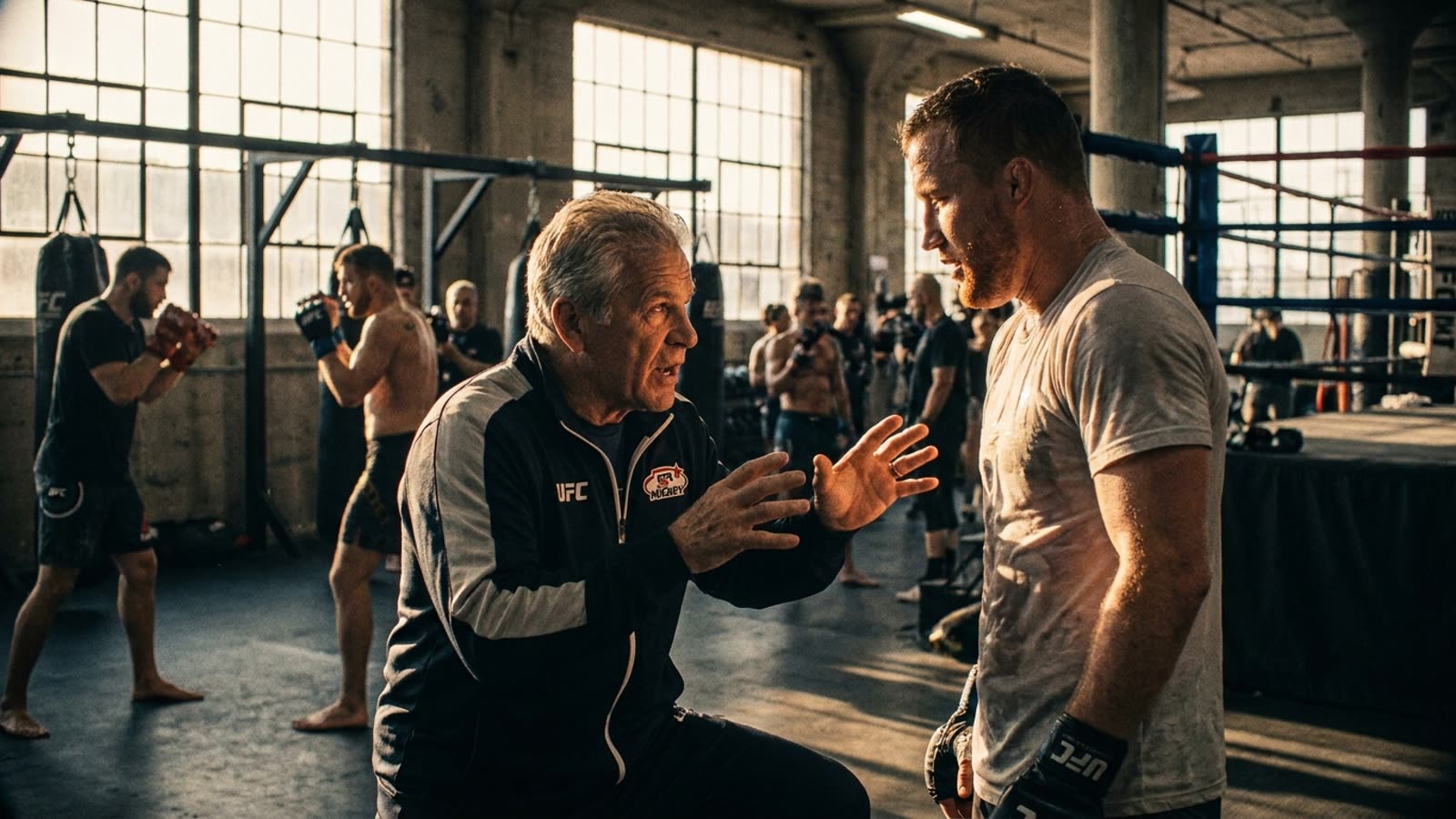
The 1980 U.S. Olympic hockey captain has reportedly been dispensing wisdom to UFC lightweight Justin Gaethje ahead of the promotion's Freedom 250 event at the White House — a pairing that says less about combat sports preparation than it does about the enduring industrial complex of American underdog mythology. Eruzione, now 71, has spent nearly half a century as the nation's designated purveyor of plucky optimism, a role that apparently now extends to advising fighters about to compete in the Rose Garden.
The Miracle Industrial Complex
The 1980 "Miracle on Ice" has achieved a curious immortality in American culture, referenced with a frequency that far outpaces its actual sporting significance. It was, objectively, a single hockey game in a tournament the U.S. nearly failed to win anyway (they still needed to beat Finland two days later for gold). Yet it has been retrofitted into a founding myth of Reagan-era renewal, invoked at car dealership openings and political conventions with equal solemnity.
Eruzione has navigated this peculiar celebrity with evident grace, neither dismissing the moment's meaning nor overselling his own role in it. He did not score the winning goal against the Soviets — he scored the go-ahead goal, which is different — and he never played professional hockey afterward, a choice that paradoxically enhanced his folk-hero status. The man who walked away became more valuable than the man who cashed in.
Why the UFC Wants This Photo Op
The UFC's decision to stage Freedom 250 at the White House already represented a remarkable merger of combat sports and political theater. Adding Eruzione to Gaethje's preparation narrative completes a kind of patriotic bingo card that the promotion's marketing department must have designed with algorithmic precision.
Gaethje, a Colorado-born fighter known for his fan-friendly violence and American flag shorts, is precisely the vessel for this kind of symbolism. His opponent and the stakes matter less than the imagery: a living embodiment of Cold War triumph passing something ineffable to a modern warrior on the grounds of executive power. It is sports as civics lesson, or perhaps civics as content strategy.
Our take
There is nothing cynical about Eruzione himself, who by all accounts remains a genuinely decent ambassador for a genuinely thrilling moment in sports history. The cynicism, if any, lies in how relentlessly American culture strip-mines its feel-good moments for new applications. The Miracle on Ice was about twenty-year-olds playing above themselves for sixty minutes in upstate New York. That it now extends to UFC prefight content nearly five decades later suggests we have perhaps exhausted the original material and are now simply photocopying the photocopies. Eruzione deserves better than being a permanent motivational totem — though he seems entirely at peace with the role.