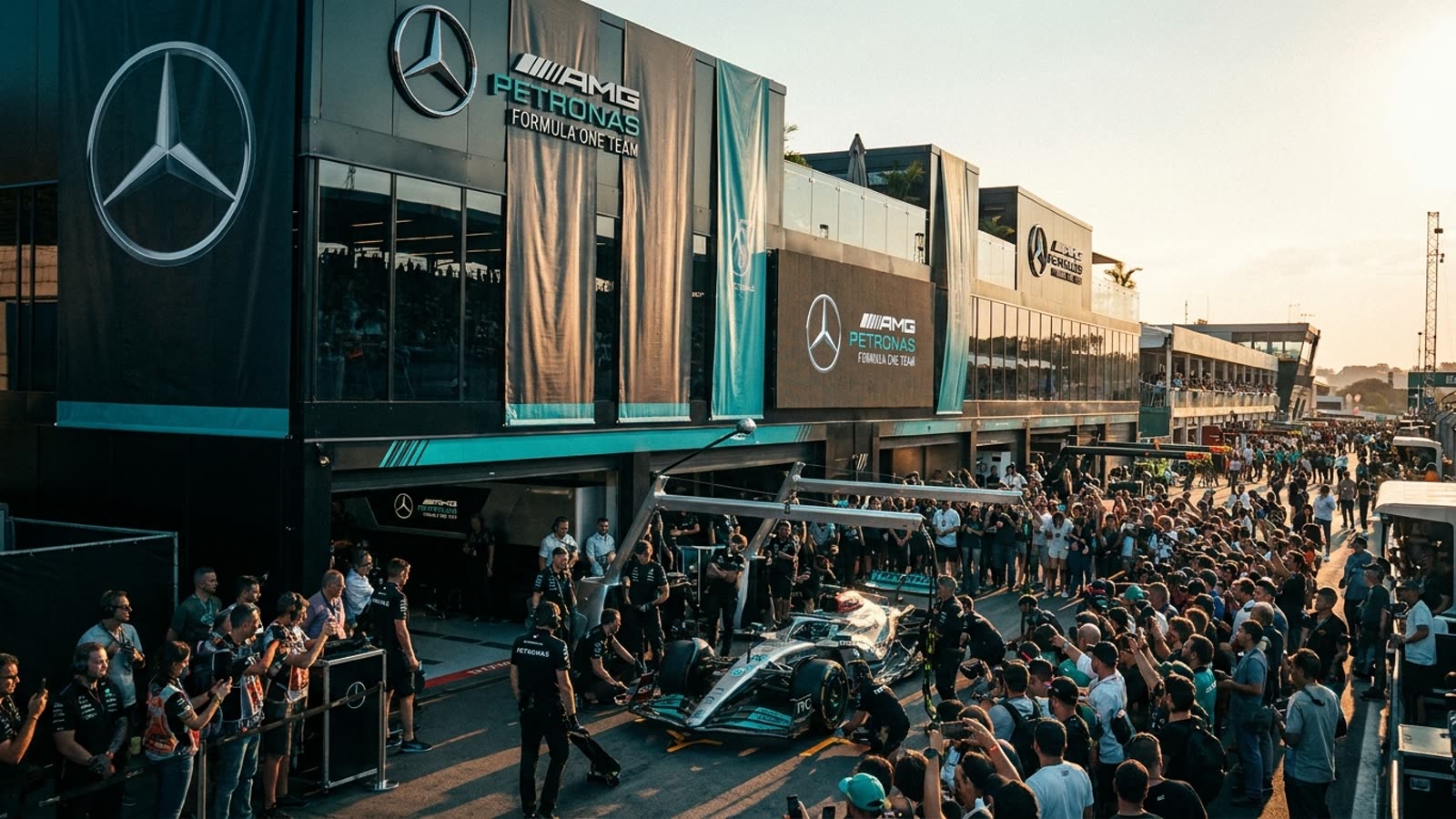
Mercedes-AMG Petronas Formula One Team arrives in São Paulo with mathematics on its side and momentum at its back. The German constructor needs only to outscore its nearest rival by a modest margin at the Brazilian Grand Prix to secure the 2026 Constructors' Championship—a title that seemed implausible when the season opened with the team languishing in fourth place after three rounds.
The timing is almost theatrical. Kimi Antonelli, Mercedes' 20-year-old Italian prodigy, sealed the Drivers' Championship at the previous race in Mexico City, becoming the youngest world champion in Formula One history. Now, four days later, the team that bet its future on an unproven teenager has a chance to validate that gamble with the sport's other major trophy. The double would mark Mercedes' first Constructors' title since 2021, ending a drought that felt interminable by the team's standards.
The arithmetic and the obstacles
Mercedes holds a 43-point advantage over McLaren with two races remaining after Brazil. A finish of first and third would guarantee the title regardless of McLaren's result. Even a pair of fourth-place finishes would likely suffice, given McLaren's own consistency issues. The W17 car—written off as a midfield runner in pre-season testing—has evolved into the paddock's most complete package, particularly on circuits that reward mechanical grip over raw downforce.
Brazil's Interlagos circuit, with its elevation changes and unpredictable weather, typically rewards driver skill over aerodynamic efficiency. That should favor Mercedes, whose driver pairing of Antonelli and George Russell has outperformed every other combination this season in wet conditions. The forecast calls for afternoon thunderstorms on Sunday. McLaren, by contrast, has struggled when the track goes green, with Lando Norris spinning out of two rain-affected races this year.
From crisis to coronation
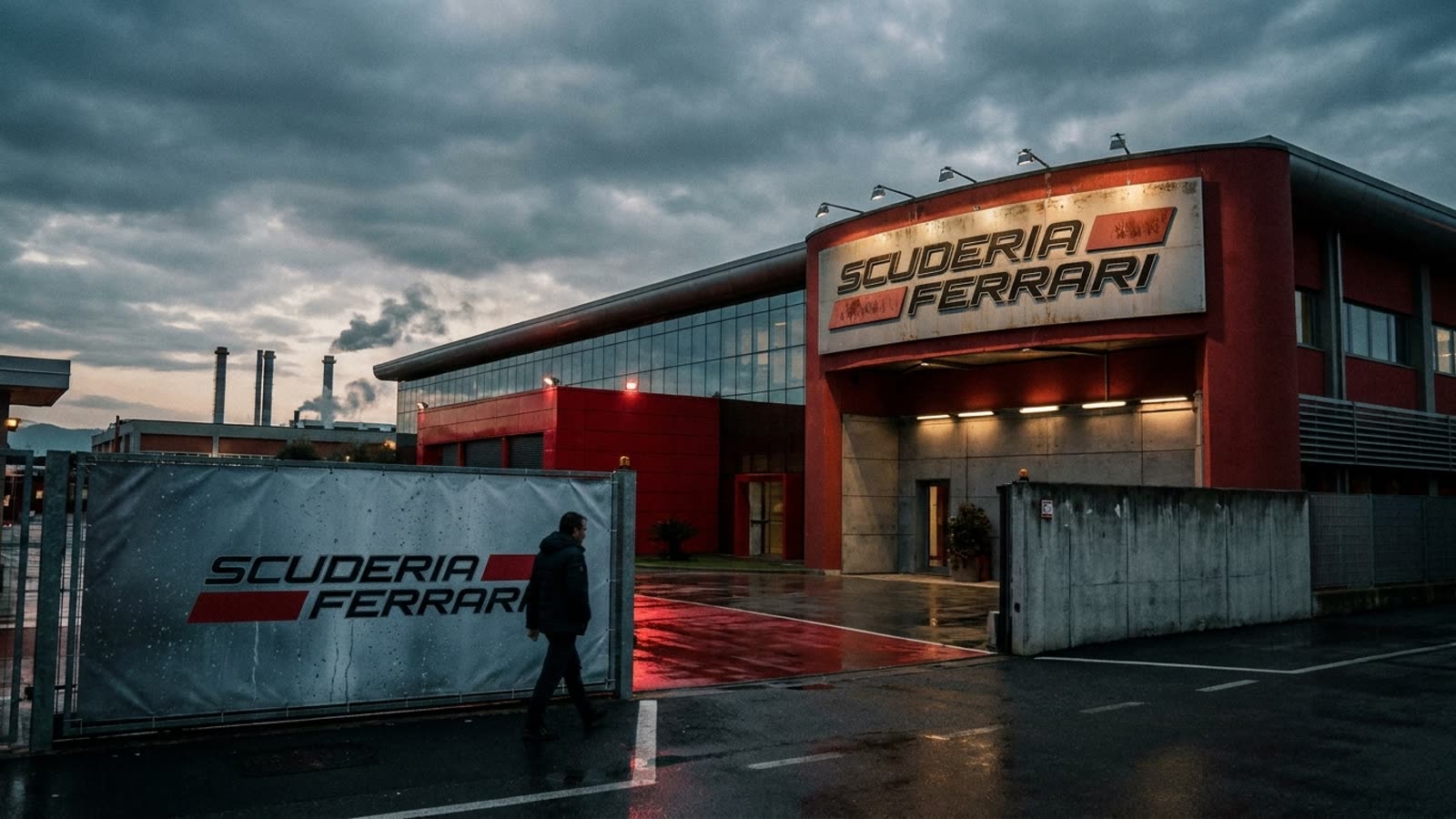
The narrative arc is almost too neat. Twelve months ago, Mercedes was in open crisis. Lewis Hamilton's departure to Ferrari was confirmed, team principal Toto Wolff was fielding questions about his own future, and the technical department was in the midst of a philosophical overhaul after three seasons of concept missteps. The decision to promote Antonelli—then still racing in Formula Two—was widely described as desperate.
Instead, it catalyzed a cultural reset. Antonelli's fearlessness on track translated to boldness in the engineering room. The team abandoned its zero-pod aerodynamic philosophy entirely, adopting a more conventional approach that prioritized tire management over headline-grabbing wind tunnel numbers. By mid-season, the W17 was the car to beat. Antonelli won six of the last ten races. Russell, often overshadowed, delivered the crucial podium finishes that kept McLaren at bay in the constructors' standings.
Our take
Mercedes' potential double triumph in 2026 would represent more than a return to form—it would validate a high-risk succession strategy that few teams would have dared attempt. Promoting a 19-year-old to replace an eight-time world champion is not a move born of confidence; it is a move born of necessity dressed up as vision. That it worked speaks less to Mercedes' foresight than to Antonelli's preternatural composure and the team's residual institutional excellence. Formula One rarely rewards bold choices this quickly. If Mercedes does clinch the title in Brazil, enjoy the story while it lasts. The sport's usual logic—that dynasties crumble slowly, then all at once—will reassert itself soon enough.